Becoming an RAF Pilot is a highly challenging and rewarding career path within the Royal Air Force. As an RAF Pilot, you would be at the forefront of the UK's air defence and offensive capabilities, flying some of the most advanced aircraft in the world. This role involves a wide range of responsibilities, from conducting reconnaissance missions and air patrols to participating in combat operations, providing air support for ground troops, and delivering humanitarian aid. The role demands exceptional discipline, quick thinking, excellent hand-eye coordination, and the ability to perform under immense pressure. Pilots are expected to maintain peak physical and mental fitness throughout their service and continuously develop their flying and tactical skills. The career is not just about flying; it also involves extensive ground duties, including mission planning, debriefing, flight simulator training, and participating in squadron operations. RAF Pilots are leaders and team players, working closely with navigators, weapon systems operators, and ground crew to ensure mission success. The RAF provides world-class training and development opportunities, enabling pilots to specialise in various aircraft types, such as fast jets, multi-engine transport aircraft, or helicopters. It's a commitment to serving your country, requiring significant dedication and a willingness to operate in diverse and often demanding environments, both at home and overseas.
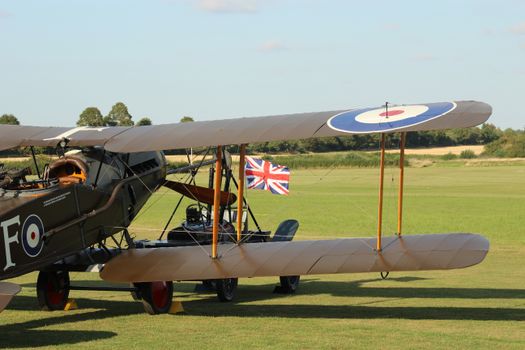
Upon commissioning as a Pilot Officer after initial officer training, the starting salary is approximately 31,800 GBP per year. This increases significantly after completing specialist flying training.
An experienced RAF pilot, particularly those in higher ranks or with specialist roles, can expect to earn upwards of 56,000 GBP to over 100,000 GBP annually, depending on rank, experience, and role.
The total training pathway to become an operational RAF pilot is extensive, often lasting between 3 to 5 years from joining, covering initial officer training, elementary flying training, basic flying training, and advanced flying training specific to the aircraft type.
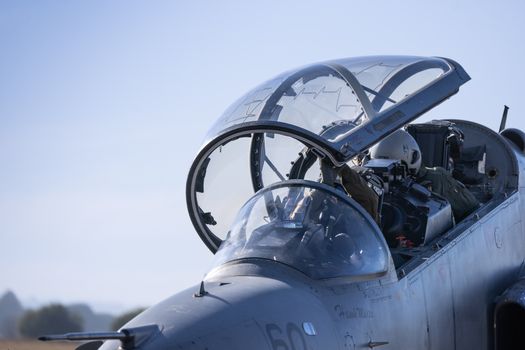
Specialising in high-performance combat aircraft, a Fast Jet Pilot within the RAF is responsible for air defence, ground attack, and reconnaissance missions. This role requires exceptional hand-eye coordination, quick decision-making under pressure, and a strong understanding of aeronautical engineering and tactical strategy. Training is extensive and highly competitive, demanding peak physical and mental fitness.
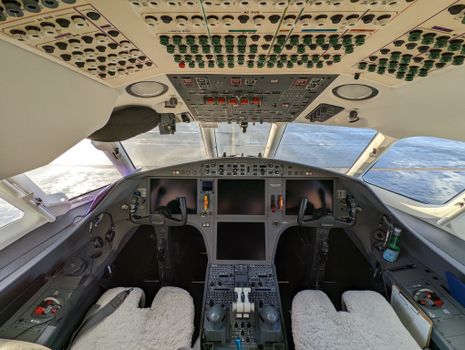
As a Multi-Engine Transport Pilot in the RAF, you would fly larger aircraft such as C-17 Globemasters or A400M Atlases, transporting troops, equipment, and humanitarian aid worldwide. This role involves complex flight planning, operating in diverse environments, and often working as part of a larger aircrew. It requires strong leadership skills, meticulous attention to detail, and the ability to manage long-haul flights and varied mission profiles.
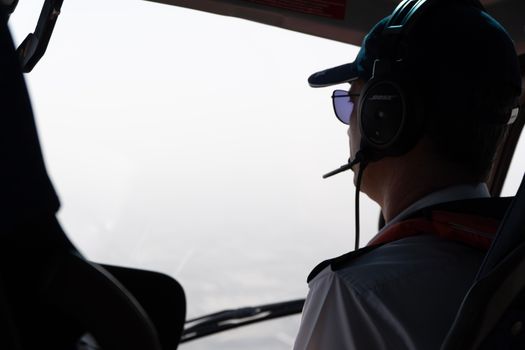
A Rotary Wing Pilot in the RAF operates helicopters for a variety of roles, including search and rescue, troop transport, special forces support, and battlefield reconnaissance. This role demands excellent spatial awareness, adaptability to different terrains and weather conditions, and precision flying skills. Missions can be highly dynamic and require a calm demeanour and strong problem-solving abilities.
Familiarise yourself with the eligibility criteria, academic qualifications, and physical fitness standards set by the Royal Air Force for pilot candidates.
The RAF has strict eligibility criteria. For Pilots, you typically need at least 5 GCSEs (A*-C/9-4), including English Language and Maths, and 2 A-Levels (A*-C/9-4), or equivalent Level 3 qualifications, totalling 64 UCAS points. You must be a UK citizen, or hold dual UK/Commonwealth citizenship, and have resided in the UK for the last 5 years. There are also age limits, typically between 17.5 and 29. Furthermore, you must meet stringent medical and fitness requirements, including excellent vision (often needing to be corrected to 20/20 with glasses/lenses) and a specific height range.
Focus on subjects like Maths and Physics at A-Level or equivalent, as these provide a strong foundation for understanding aviation principles and passing selection tests.
While specific A-Levels aren't always mandatory for all officer roles, Maths and Physics are highly recommended for pilot applicants as they directly relate to the technical aspects of aviation and will be assessed during the selection process. A degree is not essential for pilot entry, but many successful candidates do hold one. If you choose to go to university, a degree in an STEM subject (Science, Technology, Engineering, Maths) can be particularly beneficial, enhancing your problem-solving and analytical skills.
Start a regular fitness regime to meet the demanding physical standards required for RAF entry, focusing on cardiovascular endurance, strength, and stamina.
The RAF requires a high level of physical fitness. You will undergo a fitness test during the selection process, which includes a bleep test (multi-stage fitness test), press-ups, and sit-ups. It's crucial to start preparing early and consistently. Focus on a balanced workout routine that includes running, swimming, and strength training. Additionally, maintaining a healthy lifestyle and diet is important for overall well-being and performance during the rigorous selection process.
Complete the online application form on the official RAF recruitment website, ensuring all details are accurate and comprehensive.
The application form is your first impression. Take your time to fill it out accurately and honestly. Highlight any relevant academic achievements, extracurricular activities, and work experience that demonstrate qualities like leadership, teamwork, and resilience. Be prepared to articulate your motivation for wanting to become an RAF Pilot and why you believe you'd be a good fit for the service.
Prepare for a multi-day assessment at OASC, which includes aptitude tests, interviews, leadership exercises, and medical examinations.
OASC is a comprehensive assessment designed to evaluate your suitability for officer and aircrew roles. It includes psychometric tests (verbal reasoning, numerical reasoning, spatial awareness), interviews with a Wing Commander, command tasks, and a detailed medical examination. The aptitude tests are particularly critical for pilots, assessing hand-eye coordination and cognitive abilities. Practice these types of tests beforehand, and be ready to demonstrate leadership potential, problem-solving skills, and a positive attitude throughout the assessment.
Successfully complete the rigorous medical assessments and physical fitness tests to ensure you meet the high standards for a pilot.
The medical examination for pilots is exceptionally thorough, covering eyesight, hearing, cardiovascular health, and neurological function. Any medical condition, even minor, could potentially lead to deferral or rejection. Maintaining peak physical fitness is also paramount for the physical tests, which are usually conducted as part of OASC. Ensure you are well-rested and hydrated on the day of the tests to perform at your best. If you have any concerns about your health or fitness, it's wise to consult with a medical professional beforehand.
Undergo initial officer training at the RAF College Cranwell, developing leadership, teamwork, and military skills essential for an RAF officer.
Once selected, all potential officers, including pilots, complete Initial Officer Training (IOT) at RAF College Cranwell. This challenging course typically lasts for 24 weeks and covers military ethos, leadership theory, practical leadership exercises, physical training, and basic military skills. It's designed to transform civilians into military officers, instilling discipline, resilience, and the core values of the Royal Air Force. You'll learn to lead, communicate effectively, and operate in a team environment.
Progress to highly specialised flying training, starting with elementary flying and advancing to multi-engine or fast jet aircraft.
Following IOT, pilot candidates embark on a multi-stage flying training programme. This begins with Elementary Flying Training (EFT), where you learn basic flying skills on light aircraft. Successful completion leads to advanced training, which is streamed into fast jet, multi-engine, or rotary wing (helicopter) specialisations based on the needs of the RAF and your aptitude. This stage involves intensive theoretical instruction, simulator training, and practical flying, gradually increasing in complexity and demanding exceptional skill and dedication. The total flying training can take several years.
Complete specific training on the type of aircraft you will fly operationally, mastering its systems and mission profiles.
After completing your core flying training and receiving your 'wings', you will be assigned to an Operational Conversion Unit (OCU). Here, you will train specifically on the aircraft type you are destined to fly in an operational squadron (e.g., Typhoon, A400M, Chinook). This final stage of training is highly intense, focusing on mastering the aircraft's advanced systems, tactics, and operational procedures relevant to its specific role. Upon successful completion of OCU, you will be deemed combat ready and posted to an operational squadron, beginning your career as a frontline RAF Pilot.
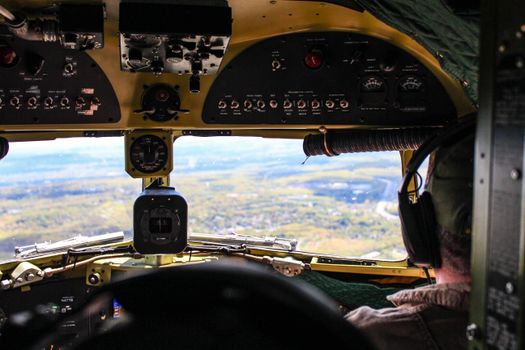
After serving in the RAF, many pilots transition to commercial airlines, flying passenger or cargo planes. This career offers a similar flying experience but in a civilian context, with different operational pressures and regulations.

Air Traffic Controllers manage the safe and efficient flow of aircraft in and out of airports and through designated airspace. This role requires excellent spatial awareness and decision-making skills, often shared with pilots.

Aerospace Engineers design, develop, and maintain aircraft, spacecraft, and missiles. While not directly flying, this career is crucial to the operational readiness and safety of RAF aircraft, involving deep technical knowledge of aviation.
Explore relevant apprenticeships that can help you kickstart your career in RAF Pilot. Apprenticeships offer hands-on experience and training while earning a wage.
This page showcases various career options and the pathways to reach them. Each career listed here shares transferable skills and knowledge, making it easier for individuals to transition between them.
Your current career is highlighted to help you see how it fits into the broader landscape of potential career choices. By clicking on any career, you can learn more about it, including the training and education required to pursue it.
Remember, progressing in your career often involves further learning and training. This page provides insights into future career options as well as those that can lead up to your current one.
These career progression decisions are informed by comparing the skills and knowledge needed for different occupations, along with data on how people move between them. Explore the possibilities and discover the exciting journey ahead in your career!
Explore other careers or use our AI to discover personalised paths based on your interests.
Address
Developing Experts Limited
Exchange Street Buildings
35-37 Exchange Street
Norwich
NR2 1DP
UK
Phone
01603 273515
Email
[email protected]
Copyright 2026 Developing Experts, All rights reserved.

Unlock expert-designed lessons, resources, and assessments tailored for educators. No credit card required.
Claim Your Free Trial →We use cookies to enhance your browsing experience and analyze our traffic. Learn more.

