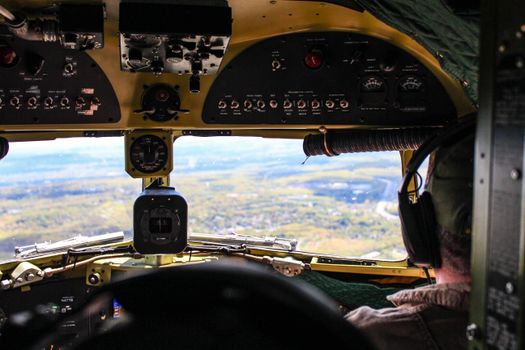
Being an RAF Pilot is an exciting and challenging job where you get to fly some of the most advanced aircraft in the world. You could be flying fast jets, transport planes, or helicopters, helping to protect the UK and its allies, or providing humanitarian aid around the globe. This career is not just about flying; it also involves a lot of teamwork, quick thinking, and staying calm under pressure. You will receive world-class training to become a highly skilled aviator and leader. It is a demanding role that requires excellent physical fitness, strong academic abilities, and a real dedication to serving your country. Your day-to-day work could involve planning missions, practicing flying manoeuvres, transporting people or equipment, or even taking part in air defence operations. You will work closely with other pilots, ground crew, and air traffic controllers. It is a highly respected career that offers unique experiences, travel opportunities, and a chance to make a real difference. You need to be determined and ready to continuously learn and develop your skills throughout your career.
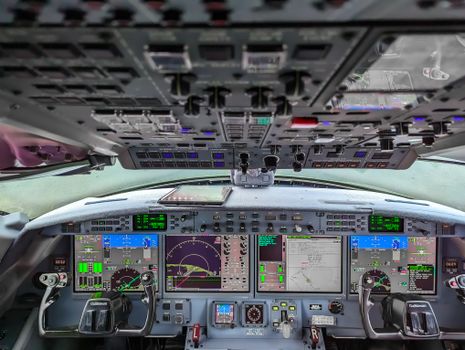
As a new RAF Pilot officer, your starting salary is around 32,878 pounds per year. This increases as you gain experience and rank.
With experience, a Flight Lieutenant in the RAF can earn around 56,192 pounds per year. Pilots with more experience and higher ranks can earn significantly more.
Initial officer training is 24 weeks, followed by specialist pilot training which can take several years. There is usually a minimum commitment to serve for 12 years after completing specialist training.
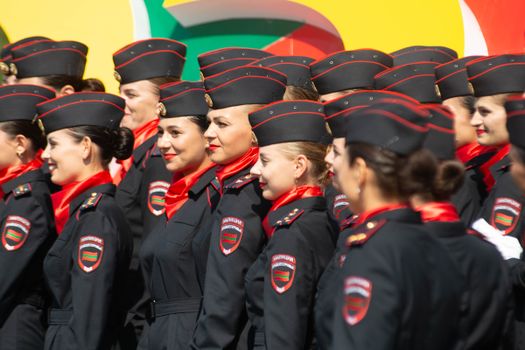
Joining the Air Cadets is a brilliant way to learn about the Royal Air Force, flying, and adventure. You can try out different activities like gliding and flying in a safe and fun environment, make new friends, and develop skills like teamwork and leadership.
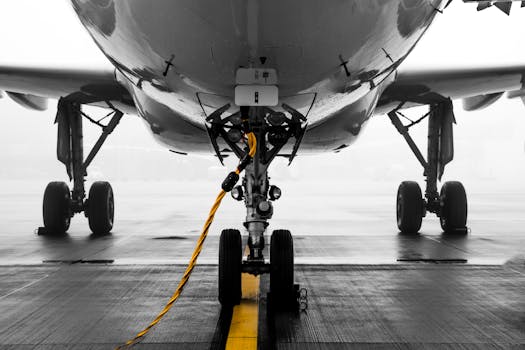
If you love understanding how things work, an Aerospace Engineer designs, builds, and maintains the amazing aircraft that pilots fly. You could be working on jets, helicopters, or even drones, making sure they are safe and efficient for flight.
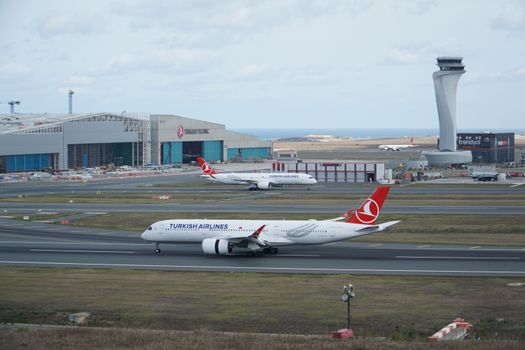
This role is like being the conductor of an orchestra in the sky. An Air Traffic Controller guides planes safely in and out of airports and through the air, giving instructions to pilots. It requires excellent communication and a calm, focused mind.
RAF Pilots need to be very fit and healthy, so start by doing lots of sports and eating well.
Physical fitness is super important for an RAF Pilot. You'll need excellent stamina, strength, and overall health to handle the demands of flying high-performance aircraft. Participating in team sports like football or rugby, individual sports like swimming or running, and generally staying active will build a strong foundation. Eating a balanced diet and avoiding unhealthy habits are also key for long-term health.
Pay close attention in maths, science (especially physics), and English at school. These subjects are really important for understanding how planes fly and communicating clearly.
A strong grasp of Science, Technology, Engineering, and Maths (STEM) subjects is crucial. Physics helps you understand aerodynamics and aircraft systems. Maths is used for navigation and flight calculations. English is vital for clear communication in the cockpit and with ground control. Excelling in these subjects will give you a significant advantage when it comes to applying for the RAF and understanding the complex training ahead.
Consider joining the Air Cadets or volunteering with aviation groups. This will give you a taste of aviation and develop teamwork skills.
The Air Cadets (Air Training Corps) is an excellent way to learn about aviation, develop leadership skills, and even get some flying experience in gliders or powered aircraft. It also helps you understand military life. If Air Cadets isn't for you, volunteering at a local airfield, aviation museum, or joining an aviation club can also provide valuable experience and show your passion for flying. These experiences look great on your application!
Aim for good grades in your GCSEs and then choose A-levels in subjects like Maths, Physics, or other sciences.
To be eligible for the RAF, you'll need at least five GCSEs at grade 4 (C) or above, including English Language and Maths. For A-levels, while specific subjects aren't always mandatory, Maths and Physics are highly recommended as they directly relate to aviation principles. Strong academic performance demonstrates your ability to learn complex information and succeed in challenging environments, which is essential for pilot training.
Take on leadership roles in school, clubs, or part-time jobs. The RAF values people who can lead and work well with others.
Being an RAF Pilot isn't just about flying; it's about being a leader and a team player. Seek opportunities to be a prefect, captain a sports team, organise school events, or even take on responsibilities in a part-time job. These experiences help you develop crucial skills like decision-making, communication, problem-solving, and motivating others, all of which are vital in the cockpit and within the RAF structure.
Work on speaking clearly, listening carefully, and explaining things well. Good communication is critical for pilots.
Effective communication is absolutely fundamental for an RAF Pilot. You'll need to communicate clearly and precisely with air traffic control, your co-pilot, and other team members, often in stressful situations. Practice public speaking, participate in debates, or simply make an effort to speak clearly and listen actively in daily conversations. Being able to convey information accurately and understand instructions fully can be life-saving in aviation.
Regularly check the official RAF careers website for the latest entry requirements, as they can sometimes change.
The RAF careers website (raf.mod.uk/recruitment) is your go-to source for the most up-to-date information on entry requirements, including age limits, academic qualifications, medical standards, and specific application processes for pilots. Requirements can sometimes vary, so it's important to keep checking. Understanding these thoroughly will help you ensure you're on the right track and can prepare effectively for each stage.
The RAF has special tests that check your aptitude for flying, problem-solving, and coordination. Practise these tests.
The RAF Officer and Aircrew Selection Centre (OASC) involves a series of tests to assess your mental agility, hand-eye coordination, spatial awareness, and ability to perform under pressure. These include computer-based aptitude tests, a fitness assessment, interviews, and leadership exercises. There are resources online and in books that can help you understand and practice these types of tests, which can significantly improve your chances of success.
If you pass selection, you'll go through rigorous training at various RAF bases to become a fully qualified pilot.
Once selected, you'll embark on a comprehensive training programme. This starts with initial officer training, followed by specialist pilot training. This will involve learning to fly different types of aircraft, understanding complex aviation systems, navigation, and emergency procedures. It's a demanding but incredibly rewarding process that turns you into a highly skilled and capable RAF Pilot, ready to serve your country.
Flying passenger planes for airlines around the world. Similar flying skills but in a civilian setting.

Managing the flow of aircraft in and out of airports and in the sky, ensuring safe and orderly air travel. Works closely with pilots.

Maintaining and repairing aircraft to ensure they are safe and ready to fly. Essential for any pilot's operations.
Explore relevant apprenticeships that can help you kickstart your career in RAF Pilot. Apprenticeships offer hands-on experience and training while earning a wage.
This page showcases various career options and the pathways to reach them. Each career listed here shares transferable skills and knowledge, making it easier for individuals to transition between them.
Your current career is highlighted to help you see how it fits into the broader landscape of potential career choices. By clicking on any career, you can learn more about it, including the training and education required to pursue it.
Remember, progressing in your career often involves further learning and training. This page provides insights into future career options as well as those that can lead up to your current one.
These career progression decisions are informed by comparing the skills and knowledge needed for different occupations, along with data on how people move between them. Explore the possibilities and discover the exciting journey ahead in your career!
Explore other careers or use our AI to discover personalised paths based on your interests.
Address
Developing Experts Limited
Exchange Street Buildings
35-37 Exchange Street
Norwich
NR2 1DP
UK
Phone
01603 273515
Email
[email protected]
Copyright 2026 Developing Experts, All rights reserved.

Unlock expert-designed lessons, resources, and assessments tailored for educators. No credit card required.
Claim Your Free Trial →We use cookies to enhance your browsing experience and analyze our traffic. Learn more.

