

Creating Career Path...

Finding Further Careers...

Costume Maker

View this career for different education levels:

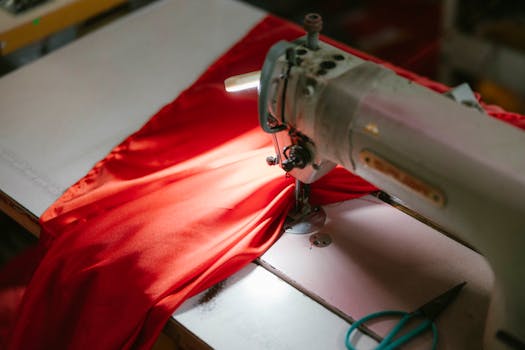
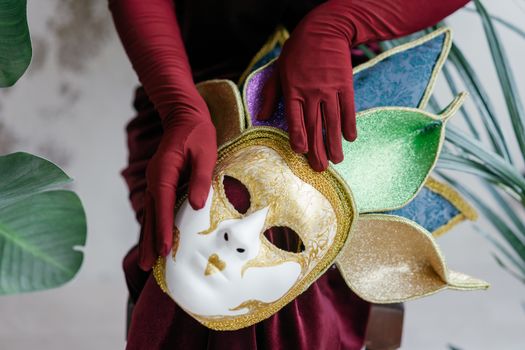
A costume maker brings characters to life through clothing! They create, alter, and repair costumes for performers in plays, films, TV shows, and even for special events like fancy dress parties or themed attractions. This job involves a lot of hands-on work with different fabrics, using sewing machines and hand-sewing techniques. You might follow a designer's exact drawings or sometimes even help design costumes yourself. It's a really creative role where you need to be good at problem-solving, like figuring out how to make a costume look old or magical, or how to make it easy for an actor to move in. You'll often work in a workshop or studio, sometimes with tight deadlines to get everything ready before a show or a film shoot starts. Being a costume maker isn't just about sewing; it also involves understanding historical clothing, different cultures, and how clothes can help tell a story. You might need to dye fabrics, add decorations, or even create special effects like making clothes look torn or covered in mud. It's a job where attention to detail is super important, as every stitch and every choice of fabric can make a big difference to how a character looks and feels. You could be making anything from a dazzling ballgown to a realistic medieval knight's outfit, so every day can be different and exciting!

Costume Maker

Flag Media

Please select a reason for flagging this content.

📊 Statistics

Starting Salary

New costume makers in the UK might start on around 18,000 to 22,000 pounds per year.

Experienced Salary

With more experience, a costume maker could earn between 25,000 to 35,000 pounds annually. Highly skilled or freelance costume makers might earn more depending on their projects.

Job Availability

While not as common as some jobs, there are typically several hundred positions available across the UK each year, often in big cities with strong arts scenes like London, Manchester, and Edinburgh.

🚀 Careers in this path

Flag Media

Please select a reason for flagging this content.

Costume Designer for Theatre

Imagine creating all the outfits for a play or musical show. You'd draw the designs, choose the fabrics, and make sure every character looks perfect for their role on stage.

Flag Media

Please select a reason for flagging this content.

Film and TV Wardrobe Assistant

This role is all about helping with the clothes for actors in movies or TV shows. You'd help organise costumes, make sure they fit well, and look after them during filming.

Flag Media

Please select a reason for flagging this content.

Fashion and Textiles Technician

This involves working with different materials and sewing machines to bring clothing designs to life. You might help a designer create samples or fix clothing, learning lots of practical skills.

Build Your Skills Early

Learn to Sew

Start by learning how to sew, both by hand and with a sewing machine. This is the most important basic skill for a costume maker.

You can learn to sew from family members, by joining a sewing club at school, or by watching online tutorials. Practise making simple things like a pillowcase, a tote bag, or even mending clothes. Getting comfortable with different types of stitches and how to use a sewing machine will give you a great head start.

Get Creative

Experiment with different fabrics, colours, and designs. Try to sketch your own clothing ideas or imagine costumes for your favourite characters.

Take art and design classes at school if they are available. Look at how clothes are made and how different materials behave. You could try customising old clothes, making accessories, or even creating outfits for dolls or action figures. Developing your creative eye and understanding how clothes fit together is key.

Explore Textiles

Learn about different types of fabrics and materials, understanding what they are made of and how they feel.

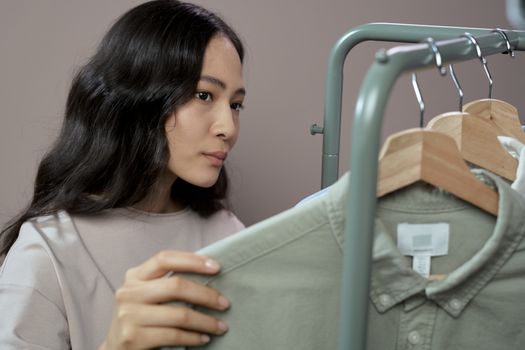
Visit fabric shops with an adult and touch the different materials – cotton, silk, wool, denim, velvet. Think about why certain fabrics might be used for particular costumes, for example, something flowy for a dancer or something sturdy for a knight. Understanding textiles will help you choose the right materials for your costume designs later on.

Study and Practise

Choose Relevant Subjects

At school, try to pick subjects like Art & Design, Textiles, or Design & Technology, as these will teach you useful skills.

These subjects will help you develop your creative thinking, practical sewing skills, and understanding of materials and design principles. They will also teach you how to draw and present your ideas, which is vital for communicating with directors and designers in the future. Aim to achieve good grades in these subjects.

Join School Productions

Volunteer to help with costumes for school plays, musicals, or talent shows. This is a great way to get hands-on experience.

This experience will give you a real taste of what it's like to work on costumes for a performance. You might help with altering existing costumes, making simple new pieces, or even just organising the wardrobe. It's also a chance to work as part of a team and see how costumes contribute to a show.

Build a Portfolio

Start keeping a collection of your design ideas, sketches, and photos of anything you've made or altered.

A portfolio is like a show-and-tell book for your creative work. It shows off your skills and imagination. Include photos of your sewing projects, drawings of costume ideas, and notes on fabric choices. This will be very important when you apply for courses or jobs later on.

Next Steps to Professionalism

Consider Further Education

After school, you might want to study costume design, fashion, or textiles at college or university.

Look for courses that focus on costume making for theatre, film, or TV. These programmes will teach you advanced sewing techniques, pattern cutting, costume history, and how to work with different materials like leather or corsetry. A relevant qualification can open many doors in the industry.

Gain Work Experience

Look for opportunities to do work experience or internships with theatre companies, film sets, or costume hire companies.

Work experience is incredibly valuable. It allows you to see how professionals work, learn practical skills on the job, and make important contacts in the industry. Even if it's unpaid for a short period, the experience and connections you gain can be crucial for your future career. You could assist in a wardrobe department or help with costume maintenance.

Network and Specialise

Meet other people in the costume world and think about what kind of costumes you'd like to specialise in.

Go to industry events, if you can, or connect with people online. Building a network of contacts can help you find job opportunities. You might discover you love making historical costumes, fantastical outfits, or modern clothes for film. Specialising can help you become an expert in a particular area, making you even more sought after.

🎬 Useful Videos

🎯 View Apprenticeships

Explore relevant apprenticeships that can help you kickstart your career in Costume Maker. Apprenticeships offer hands-on experience and training while earning a wage.

Career Progressions

This page showcases various career options and the pathways to reach them. Each career listed here shares transferable skills and knowledge, making it easier for individuals to transition between them.

Your current career is highlighted to help you see how it fits into the broader landscape of potential career choices. By clicking on any career, you can learn more about it, including the training and education required to pursue it.

Remember, progressing in your career often involves further learning and training. This page provides insights into future career options as well as those that can lead up to your current one.

These career progression decisions are informed by comparing the skills and knowledge needed for different occupations, along with data on how people move between them. Explore the possibilities and discover the exciting journey ahead in your career!

Sample Qualifications

A Costume Maker creates costumes for performance and display, which involves constructing three-dimensional objects, fitting within the broader definition of a Prop Maker who produces props, sets, and models for various productions, including theatre and film.

How to become

You can get into this job through:

  • a university course
  • a college course
  • an apprenticeship
  • working towards this role
  • applying directly

University

You could take a foundation degree or degree in:

  • prop making
  • scenic arts
  • production arts
  • art and design

The Federation of Drama Schools has information on performance-based higher education courses in UK conservatoires that include production arts.

Entry requirements

You'll usually need:

  • a foundation diploma in art and design
  • at least 1 A level, or equivalent, for a foundation degree
  • 2 to 3 A levels, or equivalent, for a degree

More Information

College

You can do a college course that can give you some of the practical skills needed to get a trainee job. 

Courses include:

  • art and design
  • creative crafts
  • 3D design and crafts
  • technical theatre
  • carpentry

Entry requirements

Entry requirements for these courses vary.

More Information

Apprenticeship

You could apply to do a Props Technician Level 3 Advanced Apprenticeship.

The apprenticeship takes between a year and a half  and 2 years to complete. It is a mix of workplace learning and time spent with a training provider.

You might apply to do a Model Maker Level 6 Degree Apprenticeship. Training includes skills in physical and digital model making, building prototypes and creating mock-ups.

Entry requirements

You'll usually need:

  • 5 GCSEs at grades 9 to 4 (A* to C), or equivalent, including English and maths, for an advanced apprenticeship
  • 4 or 5 GCSEs at grades 9 to 4 (A* to C) and A levels, or equivalent, for a higher or degree apprenticeship

More Information

Work

You may start by working in a theatre as a props assistant or stage technician, then move into prop making through training and promotion. In film and TV you would start as an art department trainee.

Volunteering

Volunteering for student productions, festivals and amateur theatre is a good way to get experience and make contact with people working in the industry. This could help when searching for jobs.

Look out for work experience opportunities with theatres and production companies. Sometimes these are advertised under their vacancies section or on social media. They may also run workshops and short schemes for people to learn more about working in the creative arts.

Direct Application

You may be able to apply directly for jobs if you have training and experience in related areas like graphic design, furniture making or model making.

More Information

Career tips

Your creative talent and model making skills. along with experience, can often be as important as formal qualifications.

You can create a portfolio of your work to show employers your range of skills.

Further information

You can find out more about working in props from Get Into Theatre and ScreenSkills.

Interested in More Career Paths?

Explore other careers or use our AI to discover personalised paths based on your interests.

Stay connected

Join our newsletter to stay up to date on features and releases

Address
Developing Experts Limited
Exchange Street Buildings
35-37 Exchange Street
Norwich
NR2 1DP
UK

Phone
01603 273515

Email
[email protected]

Copyright 2026 Developing Experts, All rights reserved.
