Creating Career Path...

Finding Further Careers...

Musical Instrument Maker

View this career for different education levels:

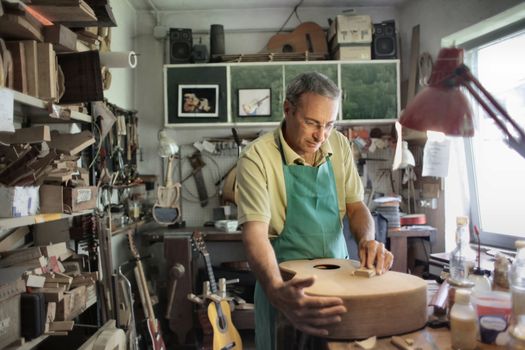
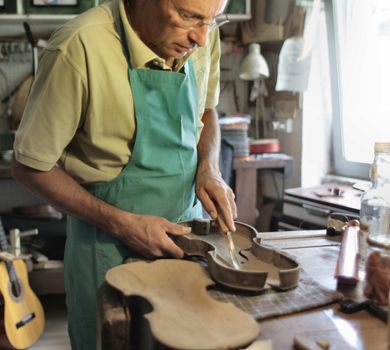
A Musical Instrument Maker, also known as a luthier (for stringed instruments), organ builder, or simply an instrument technician, designs, constructs, repairs, and restores musical instruments. This career demands a high level of precision, attention to detail, and a deep understanding of acoustics, materials science, and woodworking or metalworking. Depending on their specialisation, they might craft anything from violins and guitars to pianos, brass instruments, or even bespoke electronic music equipment. They work with a variety of materials including different types of wood, metals, plastics, and composites, meticulously shaping and assembling components to achieve the desired sound quality and aesthetic. Beyond initial construction, a significant part of the role involves maintenance and repair. This could mean fixing a cracked violin body, re-stringing a piano, overhauling the mechanism of a wind instrument, or customising an instrument to suit a musician's specific needs. Many instrument makers are self-employed or work in small, independent workshops, often building strong relationships with musicians and music schools. It is a rewarding career for those with a passion for music, a knack for hands-on work, and an appreciation for traditional craftsmanship, often requiring years of apprenticeship or formal training to master the necessary skills.

Musical Instrument Maker

Flag Media

Please select a reason for flagging this content.

📊 Statistics

Average Salary (Experienced)

Experienced musical instrument makers in the UK can expect to earn between 25,000 and 40,000 GBP annually, though highly specialised or self-employed makers with a strong reputation may earn more.

Starting Salary (Entry-Level)

Entry-level positions or apprenticeships typically start around 16,000 to 20,000 GBP per year, reflecting the need for extensive training and skill development.

Number of Positions

This is a niche field in the UK, with a relatively small number of highly skilled professionals. Opportunities are often found in small workshops, specialist repair shops, or through self-employment, rather than large corporations. Precise figures are hard to pinpoint, but it is a craft where demand for quality often outweighs the number of available makers.

🚀 Careers in this path

Flag Media

Please select a reason for flagging this content.

Luthier

Specialises in the crafting and repair of string instruments like guitars, violins, and cellos. This often involves detailed woodworking, precision shaping, and understanding of acoustic principles. Apprenticeships are common routes into this highly skilled trade.

Flag Media

Please select a reason for flagging this content.

Piano Tuner and Technician

Focuses on the tuning, repair, and restoration of pianos. This role requires a keen ear, knowledge of intricate mechanical actions, and often involves travelling to clients' homes or performance venues. Training programmes and apprenticeships are available.

Flag Media

Please select a reason for flagging this content.

Brass and Woodwind Instrument Repairer

Works on the maintenance and repair of brass (e.g., trumpets, trombones) and woodwind (e.g., flutes, clarinets) instruments. This involves meticulous work with small parts, soldering, pad replacement, and often requires a good understanding of the instruments' playability. Specific technical courses or apprenticeships are often pursued.

Build Foundational Skills & Knowledge

Gain Woodworking & Metalworking Skills

Develop core practical skills in working with various materials, particularly wood, as it's fundamental for many instruments, but also metalwork for components.

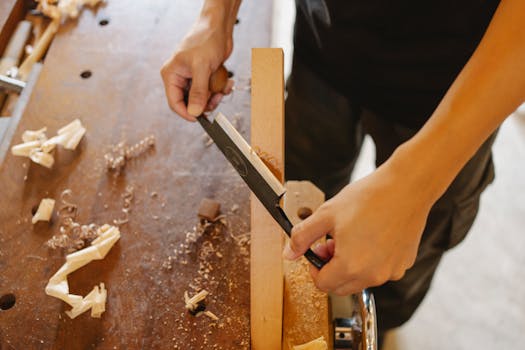
Start by taking evening classes or online courses in basic woodworking, joinery, and metal fabrication. Look for local workshops or colleges offering practical skills courses. Focus on precision cutting, shaping, sanding, and finishing techniques. Understanding different types of wood, their properties, and how they react to tools is crucial. Basic metalwork for keys, valves, and fittings will also be highly beneficial.

Study Music Theory & Acoustics

Understand the principles of sound, vibration, and music theory to build instruments that are tonally accurate and resonant.

Learning how sound is produced, amplified, and shaped by an instrument's design is vital. Explore basic acoustics, resonance, and the science behind different musical scales and harmonies. Playing a musical instrument yourself can give you invaluable insight into what makes an instrument playable and sound good. Many universities and conservatoires offer introductory courses in music theory or acoustics, or you can find excellent resources online.

Research Instrument Types & History

Familiarise yourself with the history, design variations, and construction methods of different musical instruments.

Dive into books, documentaries, and museum exhibits that focus on musical instrument history and construction. Understand the evolution of instruments like guitars, violins, pianos, or brass and woodwind instruments. This research will inform your own design choices and teach you about traditional methods versus modern innovations. Identify specific types of instruments you might be interested in specialising in.

Formal Training & Apprenticeship

Undertake Specialist Training

Enrol in a dedicated course or programme focused specifically on musical instrument making.

Several institutions in the UK and abroad offer specialist courses in lutherie (stringed instrument making) or other instrument crafts. For example, Newark College in Nottinghamshire is renowned for its courses in violin making, guitar making, and instrument repair. These programmes provide in-depth, hands-on training from experienced makers and cover advanced techniques, materials science, and business aspects of the craft. Entry requirements vary, but a portfolio of practical work is often beneficial.

Seek an Apprenticeship or Mentorship

Gain practical, on-the-job experience by working alongside an experienced instrument maker.

An apprenticeship is invaluable for learning the nuances of the craft that classroom settings might not cover. Contact established luthiers, workshops, or instrument repair shops directly to inquire about opportunities. While formal apprenticeships can be competitive, even a few weeks or months of work experience or a mentorship can provide critical insights into workshop practices, client relations, and advanced problem-solving specific to instrument making.

Build a Portfolio of Work

Start creating your own instruments or undertaking repairs to showcase your growing skills.

Begin with simpler projects, like repairing existing instruments or building small components, then progress to making full instruments. Document every stage of your work with high-quality photographs and detailed descriptions. This portfolio will be essential for demonstrating your capabilities to potential employers, clients, or for gaining entry into further advanced training. Even if your first creations aren't perfect, the process of making them is a crucial learning experience.

Establish Your Career

Network and Gain Experience

Connect with other makers, musicians, and industry professionals, and continue to refine your craft through varied projects.

Attend industry trade shows, instrument fairs, and workshops. Join professional associations like the British Violin Making Association or local craft guilds. Networking can lead to repair contracts, custom build opportunities, and valuable advice. Take on a variety of repair work and small commissions to broaden your experience and problem-solving skills, building your reputation within the musical community.

Consider Specialisation

Decide whether to focus on a particular type of instrument, specific repairs, or custom builds.

Many successful instrument makers choose to specialise, for example, becoming an expert in classical guitars, electric bass guitars, orchestral string instrument repair, or vintage wind instrument restoration. Specialisation can allow you to deepen your expertise, become known for a niche, and attract a specific clientele. This doesn't mean you can't work on other instruments, but having a primary focus can help in marketing your skills.

Set Up Your Workshop/Business

Plan and execute the setup of your own workspace or pursue employment in an established workshop.

Whether you aim to be self-employed or work for a company, consider the practicalities. If going freelance, you'll need to secure a suitable workshop space, invest in tools, and understand business basics like pricing, marketing, and client management. Alternatively, look for job openings with established instrument manufacturers, repair shops, or music retailers. Having a well-equipped and organised workspace is paramount for efficient and quality instrument making.

🎯 View Apprenticeships

Explore relevant apprenticeships that can help you kickstart your career in Musical Instrument Maker. Apprenticeships offer hands-on experience and training while earning a wage.

Career Progressions

This page showcases various career options and the pathways to reach them. Each career listed here shares transferable skills and knowledge, making it easier for individuals to transition between them.

Your current career is highlighted to help you see how it fits into the broader landscape of potential career choices. By clicking on any career, you can learn more about it, including the training and education required to pursue it.

Remember, progressing in your career often involves further learning and training. This page provides insights into future career options as well as those that can lead up to your current one.

These career progression decisions are informed by comparing the skills and knowledge needed for different occupations, along with data on how people move between them. Explore the possibilities and discover the exciting journey ahead in your career!

Sample Qualifications

This title directly matches the user's input, as a 'Musical Instrument Maker' is primarily responsible for crafting and often repairing musical instruments, which aligns perfectly with the 'maker and repairer' aspect of the official job title.

How to become

You can get into this job through:

  • a university course
  • a college course
  • applying directly
  • a specialised training course

University

You could do a specialist musical instrument craft degree or foundation degree at university. Some universities also offer short courses in instrument making and repair.

You would learn traditional skills and knowledge to specialise in building and repairing instruments like guitar, violin, piano or woodwind.

Entry requirements

You'll usually need:

  • 2 to 3 A levels, or equivalent, for a degree

More Information

College

Some colleges and adult education centres run short courses in instrument repair, for example for guitars or violins.

Check with your local education centre to see what they offer.

The British Violin Making Association has details of courses around the country for that particular instrument.

Entry requirements

There are no set entry requirements for this route.

More Information

Direct Application

You could approach instrument repairers directly to see if they're willing to take you on as a trainee. Craft skills like carpentry would be useful alongside enthusiasm for the profession and a keenness to learn.

Other Routes

You could take a training course with a specialist provider related to the type of instrument you want to make. Courses are also offered by professional bodies for particular instruments, for example:

Entry requirements will depend on the type of course you want to do.

More Information

Career tips

Craft skills are often more important than qualifications to get into this career. A background in woodworking or model making may help.

You might also find it useful if you can play the musical instrument you want to learn how to make or repair.

Professional and industry bodies

You could join the National Association of Musical Instrument Repairers for professional development and to make contacts in the profession.

Interested in More Career Paths?

Explore other careers or use our AI to discover personalised paths based on your interests.

Stay connected

Join our newsletter to stay up to date on features and releases

Address
Developing Experts Limited
Exchange Street Buildings
35-37 Exchange Street
Norwich
NR2 1DP
UK

Phone
01603 273515

Email
[email protected]

Copyright 2026 Developing Experts, All rights reserved.