
Creating Career Path...

Finding Further Careers...

Musical Instrument Maker

View this career for different education levels:

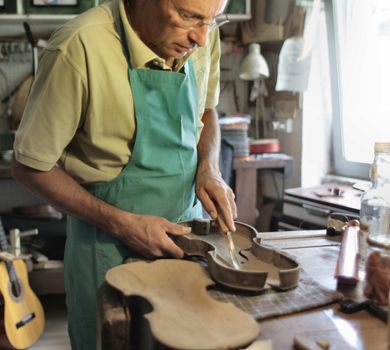
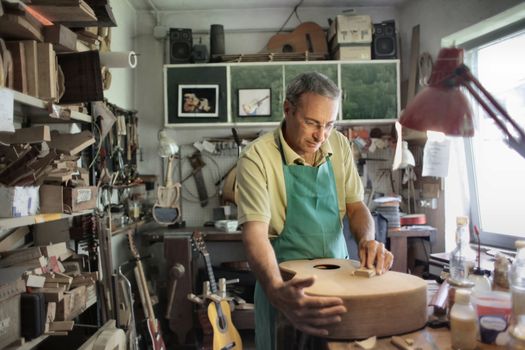
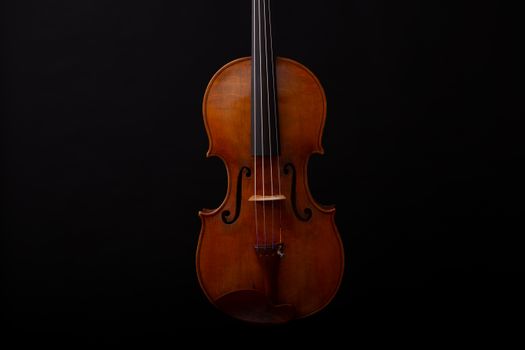
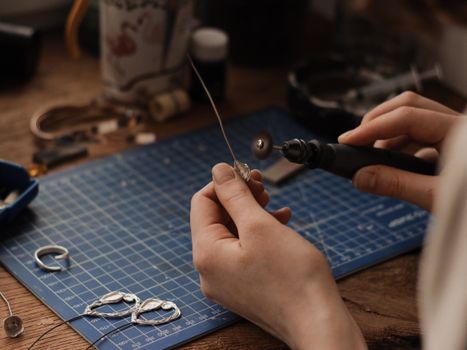
Imagine making a guitar that sounds just right, or a violin that sings beautiful melodies! A Musical Instrument Maker is like a super clever builder who makes musical instruments from scratch, or fixes old ones to make them play beautifully again. They use lots of different tools, just like a carpenter, but they also need to know a lot about music and how sound works. They might spend their days carefully cutting wood, bending metal, or putting tiny parts together with great care and precision. Its a job that needs lots of patience and a love for music. They work with their hands and their minds to create something wonderful that people can use to make music. Sometimes they specialise in one type of instrument, like pianos or flutes, becoming an expert in just that kind. They also have to be good listeners, testing the sounds their instruments make to make sure they are perfect. It is a very rewarding job because they help musicians create wonderful songs for everyone to enjoy.

Musical Instrument Maker

Flag Media

Please select a reason for flagging this content.

📊 Statistics

Starting Salary

A beginner musical instrument maker in the UK might start earning around 18,000 to 22,000 pounds a year. This is like getting pocket money for a whole year.

Experienced Salary

Someone with lots of experience and special skills could earn between 25,000 and 40,000 pounds a year, or even more if they make very famous instruments. Thats a lot of savings for nice toys or holidays!

Number of Jobs

This is a special job, so there arent thousands of openings. There are usually around a few hundred people in the UK who work as musical instrument makers or repairers, making it a unique and skilled role.

🚀 Careers in this path

Flag Media

Please select a reason for flagging this content.

Guitar Maker

Making guitars for people to play lovely music. You'd learn about different types of wood and how to shape them perfectly.

Flag Media

Please select a reason for flagging this content.

Piano Tuner

Making sure pianos sound just right, so every note is in its perfect place. It's like being a detective for sounds!

Flag Media

Please select a reason for flagging this content.

Violin Restorer

Carefully fixing old violins that need a bit of love to make beautiful music again. You'd be like a doctor for musical instruments.

Learning & Exploring

Listen to Music

Start by listening to lots of different types of music and instruments. Think about which sounds you like best!

Pay attention to the sounds instruments make. Do you like the plucky sound of a guitar, the smooth sound of a violin, or the booming sound of a drum? Knowing what sounds you love can help you decide what instruments you might enjoy making in the future. Listen for different textures and timbres in the music.

Play an Instrument

Try playing a musical instrument yourself, like a recorder, a toy keyboard, or even making rhythms with your hands.

Playing an instrument helps you understand how they work and feel. You'll learn how different parts make sounds and how much fun it is to create music. You could borrow an instrument from a friend, try one at school, or even make your own simple instrument like a shaker or a drum from recycled materials.

Visit a Workshop

If you can, visit a place where instruments are made or repaired. You might see special tools and materials!

Some towns have instrument shops where people repair instruments. You might even find a local craftsman who makes instruments! Seeing real instruments being worked on can show you all the cool materials and tools used. Ask politely if they can show you some of their work and explain a little about it.

Developing Skills

Learn to Draw

Practise drawing different shapes and being very neat. Instrument makers need to be precise!

Drawing helps you understand how things fit together and practise being careful with details. You could draw outlines of instruments you like, or even design your own imaginary instrument. This skill helps you plan out your ideas before you start building things for real.

Work with Materials

Try making things with LEGO, craft sticks, or playdough to practise building and joining materials.

Getting used to working with your hands and different materials is super important. You could build small models, carve soap, or even try simple woodworking projects with an adult's help. This teaches you how materials feel, how they can be shaped, and how to put pieces together carefully.

Understand Sounds

Explore how different things make sounds. Does hitting a metal pot sound different to hitting a plastic one?

You can do fun experiments to learn about sound. Pluck a ruler off the edge of a table, stretch a rubber band, or tap different glasses of water. Notice how the size, shape, and material of an object change the sound it makes. This helps you understand 'acoustics', which is all about how sound works.

Future Steps

Study Design & Technology

When you're older, choose subjects at school like Design and Technology. You'll learn how to plan and make things.

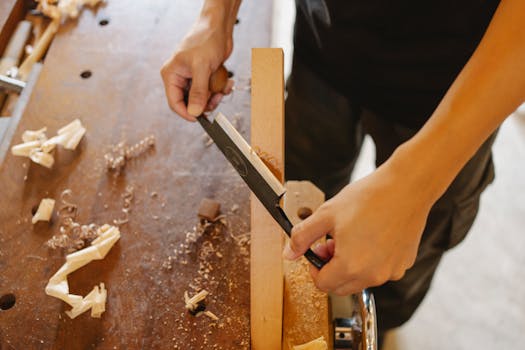
Design and Technology lessons are brilliant for learning how to use tools safely and create detailed projects. You'll get to work with wood, plastic, and maybe even metal, which are all materials used in instrument making. It will teach you important skills like measuring, cutting, and assembling with accuracy.

Find an Apprentice

After school, you could find an expert instrument maker who can teach you all their secrets and skills.

An apprenticeship is like learning a special job by working alongside a master. You would help them in their workshop, learning from them every day. This is a very common way for instrument makers to learn their craft, as it requires lots of hands-on practice and traditional skills that are best taught by an expert.

Practise & Specialise

Keep making things, keep learning, and maybe even decide to become an expert in making one type of instrument!

The more you practise, the better you'll become! You might discover you love making guitars more than anything else, or maybe you're really good at repairing old violins. Many instrument makers become specialists in one kind of instrument, like a 'luthier' who makes stringed instruments. Keep experimenting and building to find your unique path.

🎬 Useful Videos

🎯 View Apprenticeships

Explore relevant apprenticeships that can help you kickstart your career in Musical Instrument Maker. Apprenticeships offer hands-on experience and training while earning a wage.

Career Progressions

This page showcases various career options and the pathways to reach them. Each career listed here shares transferable skills and knowledge, making it easier for individuals to transition between them.

Your current career is highlighted to help you see how it fits into the broader landscape of potential career choices. By clicking on any career, you can learn more about it, including the training and education required to pursue it.

Remember, progressing in your career often involves further learning and training. This page provides insights into future career options as well as those that can lead up to your current one.

These career progression decisions are informed by comparing the skills and knowledge needed for different occupations, along with data on how people move between them. Explore the possibilities and discover the exciting journey ahead in your career!

Sample Qualifications

This title directly matches the input 'Musical Instrument Maker' and explicitly includes the primary function of crafting musical instruments, along with related repair work.

How to become

You can get into this job through:

  • a university course
  • a college course
  • applying directly
  • a specialised training course

University

You could do a specialist musical instrument craft degree or foundation degree at university. Some universities also offer short courses in instrument making and repair.

You would learn traditional skills and knowledge to specialise in building and repairing instruments like guitar, violin, piano or woodwind.

Entry requirements

You'll usually need:

  • 2 to 3 A levels, or equivalent, for a degree

More Information

College

Some colleges and adult education centres run short courses in instrument repair, for example for guitars or violins.

Check with your local education centre to see what they offer.

The British Violin Making Association has details of courses around the country for that particular instrument.

Entry requirements

There are no set entry requirements for this route.

More Information

Direct Application

You could approach instrument repairers directly to see if they're willing to take you on as a trainee. Craft skills like carpentry would be useful alongside enthusiasm for the profession and a keenness to learn.

Other Routes

You could take a training course with a specialist provider related to the type of instrument you want to make. Courses are also offered by professional bodies for particular instruments, for example:

Entry requirements will depend on the type of course you want to do.

More Information

Career tips

Craft skills are often more important than qualifications to get into this career. A background in woodworking or model making may help.

You might also find it useful if you can play the musical instrument you want to learn how to make or repair.

Professional and industry bodies

You could join the National Association of Musical Instrument Repairers for professional development and to make contacts in the profession.

Interested in More Career Paths?

Explore other careers or use our AI to discover personalised paths based on your interests.

Stay connected

Join our newsletter to stay up to date on features and releases

Address
Developing Experts Limited
Exchange Street Buildings
35-37 Exchange Street
Norwich
NR2 1DP
UK

Phone
01603 273515

Email
[email protected]

Copyright 2026 Developing Experts, All rights reserved.
