

Creating Career Path...

Finding Further Careers...

Musical Instrument Maker

View this career for different education levels:

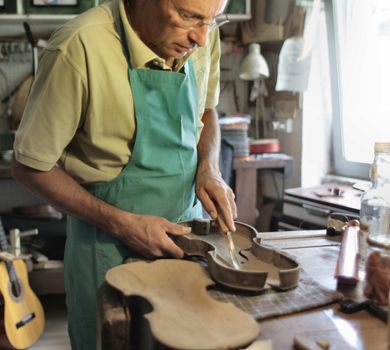
Being a Musical Instrument Maker means you get to design, build, and repair musical instruments. Imagine creating a beautiful guitar, a soaring violin, or a powerful drum kit with your own hands! It's a job that mixes artistry with careful craftsmanship and a good understanding of how sound works. You might work with wood, metal, or other materials, using special tools to shape and assemble the parts. Precision is key, as even tiny differences can change how an instrument sounds. This career often involves a lot of patience and attention to detail. You could specialise in one type of instrument, like pianos, wind instruments, or string instruments, becoming an expert in that area. It's a wonderful path for someone who loves music, enjoys making things, and has a keen eye for detail. You could be making brand new instruments, restoring old ones to their former glory, or customising instruments for musicians.

Musical Instrument Maker

Flag Media

Please select a reason for flagging this content.

📊 Statistics

Starting Salary

Apprentices or those just starting out might earn around 15,000 to 18,000 pounds per year.

Experienced Salary

With experience, a musical instrument maker could earn between 25,000 and 40,000 pounds annually. Highly specialised makers of rare instruments might earn more.

Number of Positions

This is a specialist craft, so there are not huge numbers of job openings. Many makers are self-employed or work in small workshops. Opportunities can be found in instrument manufacturing companies, repair shops, or in creating bespoke instruments.

🚀 Careers in this path

Flag Media

Please select a reason for flagging this content.

Guitar Maker

If you love music and making things, you could learn to build guitars! You'd carefully choose the wood, shape the pieces, and put them all together to make a beautiful instrument that someone can play. It's like being a craftsperson for musicians.

Flag Media

Please select a reason for flagging this content.

Piano Tuner

Pianos have hundreds of strings, and they need to be just right to sound perfect. A piano tuner visits people's homes, schools, and concert halls to make sure each note is in tune. It's a job for someone with a great ear for music and a steady hand.

Flag Media

Please select a reason for flagging this content.

Instrument Repair Technician

Sometimes musical instruments get broken or need a bit of TLC. An instrument repair technician fixes things like snapped guitar strings, sticky saxophone keys, or broken drum kits. You'd need to be good at solving problems and working with your hands.

Discovering Your Passion

Try Different Instruments

Play around with different musical instruments to see which ones you enjoy the most and find interesting.

Start by trying out various instruments, not just playing them, but also thinking about how they are made. Do you like string instruments like guitars or violins? Or perhaps woodwind instruments such as flutes or clarinets? Understanding how different instruments work and sound will help you decide what kind of instrument you might want to learn to make. You could join school clubs or local music groups to get hands-on experience.

Learn Basic Woodwork or Craft Skills

Get an early start by learning how to use simple tools and work with materials like wood or clay.

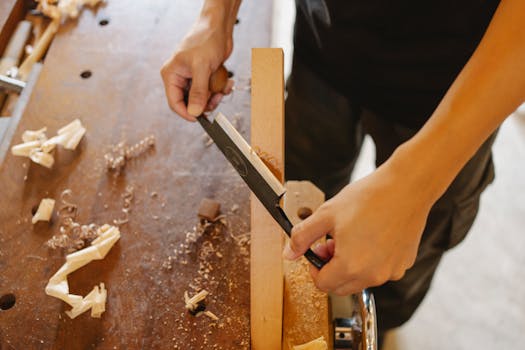
Many instruments are made from wood, so learning basic woodworking skills can be very useful. This could involve joining a design and technology (DT) class at school, using a craft kit at home, or helping a family member with DIY projects. Learning how to measure, cut, sand, and glue things neatly will teach you important practical skills and how to be patient and precise.

Visit Workshops and Museums

See how real instruments are made and learn about their history by visiting craftspeople or exhibitions.

Look for opportunities to visit workshops where instruments are made or repaired. Many towns have luthiers (people who make and repair string instruments) or piano tuners who might be willing to show you around. Visiting science or music museums can also be really inspiring, as you can see old instruments and learn about how they evolved over time. This helps you understand the history and different styles of instrument making.

Building Foundational Skills

Study Relevant School Subjects

Choose subjects like Design and Technology (DT), Art, or Physics that will help you understand instruments.

In secondary school, focus on subjects that will give you a strong foundation. Design and Technology (DT) is brilliant because it teaches you about materials, tools, and design processes. Art can help with aesthetics and creativity, while Physics is important for understanding sound, acoustics, and how vibrations work – all crucial for making instruments that sound great. Maths is also helpful for accurate measurements and calculations.

Start Small Projects

Try making simple instruments or models at home, like a shoebox guitar or a whistle.

Don't wait to be an expert! Begin with small, manageable projects. You could try making a simple instrument from everyday materials, like a rubber band guitar from a shoebox, or a PVC pipe flute. These projects, even if they're not perfect, will teach you about construction, materials, and how sound is produced. It's a fun way to experiment and learn from your mistakes.

Practise Drawing and Design

Sketch instrument designs and practise drawing precisely, paying attention to details.

Being able to draw your ideas before you build them is a key skill. Practise sketching different types of instruments, focusing on their shapes, curves, and how different parts fit together. Learning about technical drawing or using basic computer-aided design (CAD) software can also be very helpful for creating precise plans for your instruments. This helps you visualise the final product and identify potential challenges early on.

Advanced Learning & Specialisation

Consider Further Education

Look into college courses, apprenticeships, or university degrees related to musical instrument making or fine craft.

After school, you might want to pursue further education. Some colleges offer courses in areas like furniture making, fine woodworking, or even specific instrument making (like lutherie). Apprenticeships are also a great way to learn on the job from experienced craftspeople. Some universities offer degrees in music technology or acoustics, which could lead to making electronic instruments or understanding sound at a deeper level. Research different options to find the best fit for your chosen specialisation.

Gain Work Experience or Internships

Try to get experience working with an instrument maker, even if it's just helping out part-time.

Real-world experience is incredibly valuable. Look for opportunities to work with an existing instrument maker, repair shop, or musical instrument manufacturer. Even if you start with basic tasks like sanding or cleaning, you'll learn so much by observing and assisting. This kind of experience can often open doors to apprenticeships or future employment and helps you build a network within the industry.

Specialise in an Instrument Type

Decide if you want to focus on making a particular type of instrument, like guitars, pianos, or violins.

Most musical instrument makers specialise in one or two types of instruments, as each requires unique skills and knowledge. For example, a luthier works with string instruments, while a piano technician focuses on pianos. As you gain experience, you'll naturally find which instruments you enjoy working with the most. Research the specific techniques, materials, and tools required for your chosen specialisation and continue to hone those skills.

🎬 Useful Videos

🎯 View Apprenticeships

Explore relevant apprenticeships that can help you kickstart your career in Musical Instrument Maker. Apprenticeships offer hands-on experience and training while earning a wage.

Career Progressions

This page showcases various career options and the pathways to reach them. Each career listed here shares transferable skills and knowledge, making it easier for individuals to transition between them.

Your current career is highlighted to help you see how it fits into the broader landscape of potential career choices. By clicking on any career, you can learn more about it, including the training and education required to pursue it.

Remember, progressing in your career often involves further learning and training. This page provides insights into future career options as well as those that can lead up to your current one.

These career progression decisions are informed by comparing the skills and knowledge needed for different occupations, along with data on how people move between them. Explore the possibilities and discover the exciting journey ahead in your career!

Sample Qualifications

This title directly reflects the craft of constructing musical instruments, which is precisely what a Musical Instrument Maker does. The inclusion of 'repairer' also aligns with the broader skill set often found in this specialised trade.

How to become

You can get into this job through:

  • a university course
  • a college course
  • applying directly
  • a specialised training course

University

You could do a specialist musical instrument craft degree or foundation degree at university. Some universities also offer short courses in instrument making and repair.

You would learn traditional skills and knowledge to specialise in building and repairing instruments like guitar, violin, piano or woodwind.

Entry requirements

You'll usually need:

  • 2 to 3 A levels, or equivalent, for a degree

More Information

College

Some colleges and adult education centres run short courses in instrument repair, for example for guitars or violins.

Check with your local education centre to see what they offer.

The British Violin Making Association has details of courses around the country for that particular instrument.

Entry requirements

There are no set entry requirements for this route.

More Information

Direct Application

You could approach instrument repairers directly to see if they're willing to take you on as a trainee. Craft skills like carpentry would be useful alongside enthusiasm for the profession and a keenness to learn.

Other Routes

You could take a training course with a specialist provider related to the type of instrument you want to make. Courses are also offered by professional bodies for particular instruments, for example:

Entry requirements will depend on the type of course you want to do.

More Information

Career tips

Craft skills are often more important than qualifications to get into this career. A background in woodworking or model making may help.

You might also find it useful if you can play the musical instrument you want to learn how to make or repair.

Professional and industry bodies

You could join the National Association of Musical Instrument Repairers for professional development and to make contacts in the profession.

Interested in More Career Paths?

Explore other careers or use our AI to discover personalised paths based on your interests.

Stay connected

Join our newsletter to stay up to date on features and releases

Address
Developing Experts Limited
Exchange Street Buildings
35-37 Exchange Street
Norwich
NR2 1DP
UK

Phone
01603 273515

Email
[email protected]

Copyright 2026 Developing Experts, All rights reserved.
