

Creating Career Path...

Finding Further Careers...

Heating Engineer

View this career for different education levels:

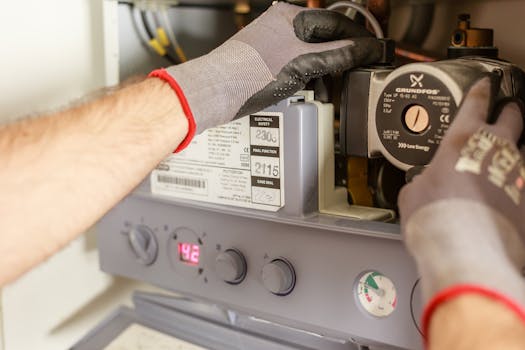
A Heating Engineer in the UK is a skilled tradesperson responsible for the installation, maintenance, and repair of heating systems in both domestic and commercial properties. This role is crucial for ensuring that homes and businesses have efficient and safe heating and hot water supplies. Your daily tasks could range from fitting new boilers, radiators, and pipework to diagnosing faults in existing systems, carrying out routine servicing, and undertaking emergency repairs. To excel in this career, you will need a strong understanding of various heating technologies, including gas, oil, and increasingly, renewable energy sources like air source heat pumps. Health and safety are paramount, especially when working with gas, so obtaining Gas Safe registration is a fundamental requirement for working on gas appliances. The role demands problem-solving skills, practical ability, and excellent customer service as you'll often be interacting directly with clients to explain issues and solutions.

Heating Engineer

Flag Media

Please select a reason for flagging this content.

📊 Statistics

Average Salary

In the UK, the average salary for a qualified Heating Engineer is around £37,500 per year. Entry-level positions typically start from £28,000, while experienced engineers can earn upwards of £45,000 to £50,000, especially those who are Gas Safe registered and work for themselves.

Number of Positions

The job market for Heating Engineers in the UK is generally strong and stable. There are typically thousands of job vacancies advertised at any given time, reflecting consistent demand across both domestic and commercial sectors. The industry benefits from ongoing needs for installations, maintenance, and repairs in homes and businesses nationwide.

Working Hours

A standard working week for a Heating Engineer is typically 37-40 hours, often Monday to Friday. However, flexibility is key, as emergency call-outs can require out-of-hours work, including evenings and weekends, for which overtime or on-call pay is usually provided.

🚀 Careers in this path

Flag Media

Please select a reason for flagging this content.

Gas Safe Registered Heating Engineer

Specialises in the installation, maintenance, and repair of gas boilers, central heating systems, and gas appliances. Requires specific Gas Safe registration in the UK, crucial for safety and legality. Would suit a 21-year-old seeking a skilled trade with excellent demand and career progression.

Flag Media

Please select a reason for flagging this content.

Renewable Energy Heating Technician

Focuses on the installation and servicing of eco-friendly heating solutions such as air source heat pumps, ground source heat pumps, and solar thermal systems. This is a growing field in the UK, aligning with sustainability goals and offering a future-proof career path for a young professional.

Flag Media

Please select a reason for flagging this content.

Commercial Heating Engineer

Works on larger, more complex heating systems found in commercial buildings, schools, hospitals, and industrial sites. This often involves more advanced equipment and controls than domestic systems, offering a challenging and highly specialised career with good earning potential for someone with a few years' experience.

Build Your Foundational Skills

Gain Relevant Qualifications

Enrol in a recognised college course or apprenticeship to learn the core principles of heating engineering.

For a heating engineer, common qualifications include an NVQ Level 2 or 3 in Plumbing and Heating, or an equivalent City & Guilds qualification. Many aspiring engineers choose an apprenticeship, which combines on-the-job training with classroom learning, often leading to a recognised qualification. Look for programmes that cover domestic hot water systems, central heating systems, and safe working practices. Completing a full-time college course provides a solid theoretical grounding before seeking employment.

Secure an Apprenticeship

Work alongside experienced engineers to get practical, real-world experience and industry-specific training.

An apprenticeship is highly recommended as it provides invaluable practical experience under the guidance of seasoned professionals. You'll learn essential skills like installing boilers, pipework, radiators, and fault diagnosis directly on-site. Apprenticeships typically last 3-4 years and pay a wage, allowing you to earn while you learn. Search for heating and plumbing apprenticeship vacancies with local companies or through government apprenticeship schemes.

Understand Health & Safety

Familiarise yourself with all relevant health and safety regulations to ensure safe working practices.

Safety is paramount in heating engineering, especially when working with gas and electricity. You'll need to understand the Gas Safety (Installation and Use) Regulations, electrical safety standards, and general construction site safety. Your training and apprenticeship will cover these extensively, but it's crucial to always prioritise safety, use appropriate PPE, and follow procedures meticulously to protect yourself and others from hazards. Regular refreshers on safety protocols are essential throughout your career.

Become a Qualified Professional

Achieve Gas Safe Registration

Obtain your Gas Safe registration, which is legally required to work on gas appliances in the UK.

Once you have gained sufficient experience and qualifications (typically NVQ Level 3 and relevant ACS modules), you can apply for Gas Safe registration. This involves passing assessments in various gas work competencies, such as installing, servicing, and maintaining domestic gas central heating boilers and pipework. Being Gas Safe registered is a legal requirement for anyone working on gas appliances and demonstrates your competence and commitment to safety, opening up many job opportunities.

Consider Specialist Training

Undertake additional training in areas like renewable energy or commercial heating to broaden your expertise.

The heating industry is evolving, with a growing demand for engineers skilled in renewable energy technologies such as air source heat pumps, ground source heat pumps, and solar thermal systems. Specialising in these areas can significantly enhance your career prospects and earning potential. You might also consider training for commercial heating systems if you're interested in larger-scale projects. Organisations like BPEC and City & Guilds offer advanced courses in these specialist areas.

Build Your Professional Network

Connect with other heating engineers, suppliers, and industry professionals to share knowledge and find opportunities.

Networking is crucial for career progression. Attend industry trade shows, join professional associations, and engage with online communities. Building relationships can lead to job referrals, collaboration opportunities, and valuable insights into new technologies and best practices. Sharing experiences with peers can also help you troubleshoot complex problems and stay updated on industry standards. A strong network can be a valuable resource throughout your career.

Advance Your Career

Gain Supervisory Experience

Take on leadership roles in projects to develop your management and organisational skills.

As you gain more experience, look for opportunities to lead projects or mentor junior engineers and apprentices. This will help you develop essential supervisory skills such as planning, scheduling, quality control, and team management. Demonstrating leadership capabilities can pave the way for roles such as Team Leader, Site Supervisor, or Project Manager. It shows you can take on greater responsibility and manage complex tasks effectively.

Start Your Own Business

Explore the possibility of becoming self-employed, offering your services directly to clients.

Many experienced heating engineers choose to become self-employed. This offers flexibility and the potential for higher earnings, but it also requires business acumen, marketing skills, and strong financial management. You'll need to handle your own invoicing, client acquisition, and insurance. Starting as a sole trader or limited company requires careful planning, but it allows you to build your own brand and reputation in the industry.

Continuous Professional Development

Stay updated with the latest technologies, regulations, and best practices through ongoing training.

The heating industry is constantly evolving with new technologies (e.g., smart home heating systems, hydrogen boilers) and updated regulations. Continuous Professional Development (CPD) is vital to remain competent and competitive. This could involve attending workshops, manufacturer training courses, or online learning modules. Regularly refreshing your skills and knowledge ensures you can offer the most current and efficient solutions to your clients and adapt to future industry demands.

🎬 Useful Videos

🎯 View Apprenticeships

Explore relevant apprenticeships that can help you kickstart your career in Heating Engineer. Apprenticeships offer hands-on experience and training while earning a wage.

Career Progressions

This page showcases various career options and the pathways to reach them. Each career listed here shares transferable skills and knowledge, making it easier for individuals to transition between them.

Your current career is highlighted to help you see how it fits into the broader landscape of potential career choices. By clicking on any career, you can learn more about it, including the training and education required to pursue it.

Remember, progressing in your career often involves further learning and training. This page provides insights into future career options as well as those that can lead up to your current one.

These career progression decisions are informed by comparing the skills and knowledge needed for different occupations, along with data on how people move between them. Explore the possibilities and discover the exciting journey ahead in your career!

Sample Qualifications

A Heating Engineer's core duties involve designing, installing, and maintaining heating systems, which directly aligns with the responsibilities of a Heating and ventilation engineer.

How to become

You can get into this job through:

  • a college course
  • an apprenticeship
  • applying directly

College

You can take a college course to learn some of the skills needed to get a trainee engineer job. 

Courses include:

  • plumbing and heating
  • building services engineering
  • T Level in Building Services Engineering for Construction

Entry requirements

Entry requirements for these courses vary.

  • 4 or 5 GCSEs at grades 9 to 4 (A* to C), or equivalent, including English and maths for a T Level

More Information

Apprenticeship

You can get into this job by applying to do an apprenticeship. Examples include:

  • Building Services Engineering Level 2 Foundation Apprenticeship
  • Building Services Engineering Installer Level 2 Intermediate Apprenticeship
  • Building Services Engineering Craftsperson Level 3 Advanced Apprenticeship

Foundation apprenticeship

You can apply for a foundation apprenticeship if you're aged 16 to 21.

If you're aged 22 to 24, you can apply if you:

Entry requirements

You'll usually need:

  • no specific qualifications or experience to apply for a foundation apprenticeship
  • some GCSEs, usually including English and maths, or equivalent, for an intermediate apprenticeship
  • 5 GCSEs at grades 9 to 4 (A* to C), or equivalent, including English and maths, for an advanced apprenticeship

More Information

Direct Application

You may be able to apply directly for jobs if you have qualifications and experience in building services engineering or plumbing.

More Information

Professional and industry bodies

You can join the Chartered Institute of Plumbing and Heating Engineering for professional development training and industry news.

Further information

You can get more advice about careers in heating and ventilation engineering from:

Interested in More Career Paths?

Explore other careers or use our AI to discover personalised paths based on your interests.

Stay connected

Join our newsletter to stay up to date on features and releases

Address
Developing Experts Limited
Exchange Street Buildings
35-37 Exchange Street
Norwich
NR2 1DP
UK

Phone
01603 273515

Email
[email protected]

Copyright 2026 Developing Experts, All rights reserved.
