


Creating Career Path...

Finding Further Careers...

Heating Engineer

View this career for different education levels:

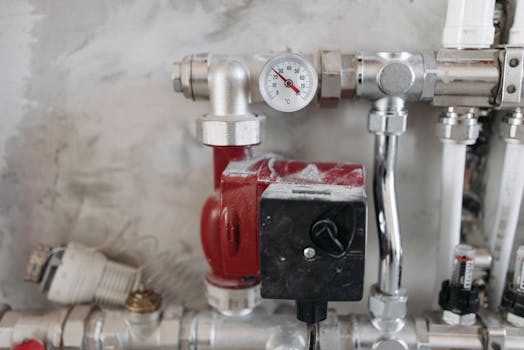
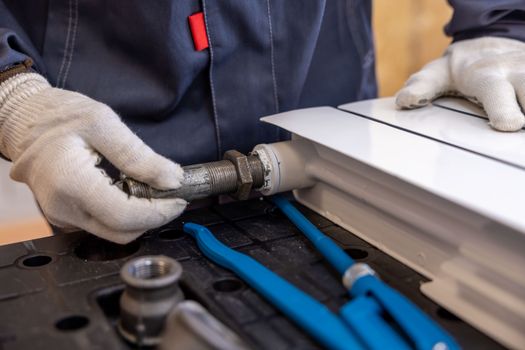
A Heating Engineer is a very important person who works with heating systems in homes, schools, hospitals, and other buildings. Their main job is to make sure that people have warm water and warm rooms, especially during the colder months. This often involves installing, fixing, and maintaining boilers, which are the machines that heat water for radiators and taps. They also work with central heating systems, making sure all the pipes and radiators are working correctly and efficiently. Being a Heating Engineer means you need to be good at problem-solving and enjoy working with your hands. You might be called out to someone's house when their heating has broken down, and it is your job to figure out why and fix it. You also carry out regular checks, called services, to make sure heating systems are safe and running properly, helping to prevent breakdowns before they happen. It is a job that requires good technical skills, an understanding of safety rules, and the ability to explain things clearly to customers.

Heating Engineer

Flag Media

Please select a reason for flagging this content.

📊 Statistics

Average Starting Salary

A new Heating Engineer just starting out in the UK might expect to earn around 20,000 to 25,000 pounds per year.

Experienced Salary Range

With more experience, a Heating Engineer in the UK can earn between 30,000 and 45,000 pounds per year. Very experienced engineers, especially those who are self-employed, can earn even more.

Job Outlook

There is a steady demand for Heating Engineers across the UK, as homes and businesses always need their heating systems to work well. This means good job security for those in the profession.

🚀 Careers in this path

Flag Media

Please select a reason for flagging this content.

Apprentice Plumber

Learning how to install and fix water pipes, toilets, and heating systems. It often involves working with a more experienced plumber.

Flag Media

Please select a reason for flagging this content.

Renewable Energy Installer

Helping to put in and maintain things like solar panels or heat pumps which use natural resources to warm homes, making them more environmentally friendly.

Flag Media

Please select a reason for flagging this content.

HVAC Technician

Working with heating, ventilation, and air conditioning systems. This means making sure homes and buildings are warm in winter and cool in summer.

Build Your Skills at School

Focus on Practical Subjects

Pay attention in subjects like Design and Technology (DT), Physics, and Maths. These subjects will help you understand how things work and how to measure accurately.

In DT, you'll learn about different materials and how to build things safely. Physics will teach you about heat and energy, which is exactly what a heating engineer deals with. Maths is crucial for measurements, calculations, and understanding technical diagrams. Even taking part in after-school clubs that involve building or fixing things can give you a great head start!

Explore Practical Experience

Look for opportunities to get hands-on experience, even if it's just helping out at home or with a local DIY project. Understanding tools is a great start.

You could offer to help family members with simple repairs around the house, like putting up a shelf or fixing a leaky tap (with adult supervision, of course!). Getting familiar with basic tools like screwdrivers, spanners, and measuring tapes will make you feel more confident when you start learning about more complex tools used by heating engineers. Watching how things are fixed can be very educational.

Research the Career

Learn more about what a heating engineer does day-to-day. Watch videos or read about their work to see if it's something you'd enjoy.

Spend some time online looking for videos of heating engineers at work. You can find out about the different types of jobs they do, like installing new boilers, servicing heating systems, or fixing emergencies. Understanding the challenges and rewards of the job will help you decide if it's the right path for you. You might even find some inspiring stories from engineers who love their job!

Choose Your Path After School

Consider a College Course

Look into vocational courses at a local college, like plumbing or heating and ventilation. These courses teach you practical skills and theory.

Many colleges across the UK offer Level 1, 2, and 3 diplomas in Plumbing and Heating. These courses are designed to give you a strong foundation in the industry. You'll learn about different heating systems, health and safety, regulations, and how to use specialist tools. It's a great way to gain qualifications and practical experience before entering the workplace.

Look into Apprenticeships

An apprenticeship allows you to learn on the job with an experienced engineer, earning a wage while you study for qualifications.

Apprenticeships are an excellent route into a heating engineer career. You'll work alongside experienced professionals, gaining real-world experience every day. At the same time, you'll attend college or training providers to complete formal qualifications, often up to Level 3. This 'earn while you learn' approach is very popular and can lead directly to a full-time job upon completion.

Gain Your Gas Safe Registration

To work with gas appliances in the UK, you MUST be Gas Safe registered. This is a legal requirement and shows you are qualified and safe.

After completing your core training (either through college or an apprenticeship), you'll need to gain specific gas qualifications and then register with the Gas Safe Register. This is a vital step as it proves you are competent and legally allowed to work on gas appliances. Training centres will guide you through this process, which involves assessments to ensure your skills and knowledge meet the required safety standards.

Start Your Career and Grow

Find Your First Job

Start applying for entry-level positions or roles as a trainee heating engineer with local companies or larger firms.

Once you have your qualifications and Gas Safe registration, it's time to look for your first role. You can search online job boards, contact local plumbing and heating companies directly, or use recruitment agencies that specialise in trades. Be prepared for interviews where you'll be asked about your technical knowledge and practical skills. Many companies are keen to hire newly qualified engineers who are eager to learn and develop.

Keep Learning and Developing

The heating industry changes, so keep up-to-date with new technologies like smart heating systems or renewable energy solutions.

Technology in heating is always evolving. New types of boilers, smart thermostats, and renewable energy heating systems (like heat pumps) are becoming more common. To stay ahead in your career, it's important to continue your professional development. This might involve attending short courses, workshops, or getting additional certifications in specialist areas. Continuous learning will make you a more valuable and versatile engineer.

Consider Specialising or Starting Your Own Business

As you gain experience, you might choose to specialise in a particular area or even become self-employed.

With several years of experience under your belt, you could decide to specialise in a niche area such as commercial heating, renewable energy systems, or advanced fault finding. Another exciting option is to start your own heating engineering business. This would involve managing your own clients, scheduling, and finances, but it offers a lot of independence. Building a good reputation is key to success in any path you choose!

🎬 Useful Videos

🎯 View Apprenticeships

Explore relevant apprenticeships that can help you kickstart your career in Heating Engineer. Apprenticeships offer hands-on experience and training while earning a wage.

Career Progressions

This page showcases various career options and the pathways to reach them. Each career listed here shares transferable skills and knowledge, making it easier for individuals to transition between them.

Your current career is highlighted to help you see how it fits into the broader landscape of potential career choices. By clicking on any career, you can learn more about it, including the training and education required to pursue it.

Remember, progressing in your career often involves further learning and training. This page provides insights into future career options as well as those that can lead up to your current one.

These career progression decisions are informed by comparing the skills and knowledge needed for different occupations, along with data on how people move between them. Explore the possibilities and discover the exciting journey ahead in your career!

Sample Qualifications

A Heating Engineer is primarily responsible for installing, maintaining, and repairing heating systems, which directly aligns with the duties of a Heating and Ventilation Engineer, covering a broader scope of environmental control systems.

How to become

You can get into this job through:

  • a college course
  • an apprenticeship
  • applying directly

College

You can take a college course to learn some of the skills needed to get a trainee engineer job. 

Courses include:

  • plumbing and heating
  • building services engineering
  • T Level in Building Services Engineering for Construction

Entry requirements

Entry requirements for these courses vary.

  • 4 or 5 GCSEs at grades 9 to 4 (A* to C), or equivalent, including English and maths for a T Level

More Information

Apprenticeship

You can get into this job by applying to do an apprenticeship. Examples include:

  • Building Services Engineering Level 2 Foundation Apprenticeship
  • Building Services Engineering Installer Level 2 Intermediate Apprenticeship
  • Building Services Engineering Craftsperson Level 3 Advanced Apprenticeship

Foundation apprenticeship

You can apply for a foundation apprenticeship if you're aged 16 to 21.

If you're aged 22 to 24, you can apply if you:

Entry requirements

You'll usually need:

  • no specific qualifications or experience to apply for a foundation apprenticeship
  • some GCSEs, usually including English and maths, or equivalent, for an intermediate apprenticeship
  • 5 GCSEs at grades 9 to 4 (A* to C), or equivalent, including English and maths, for an advanced apprenticeship

More Information

Direct Application

You may be able to apply directly for jobs if you have qualifications and experience in building services engineering or plumbing.

More Information

Professional and industry bodies

You can join the Chartered Institute of Plumbing and Heating Engineering for professional development training and industry news.

Further information

You can get more advice about careers in heating and ventilation engineering from:

Interested in More Career Paths?

Explore other careers or use our AI to discover personalised paths based on your interests.

Stay connected

Join our newsletter to stay up to date on features and releases

Address
Developing Experts Limited
Exchange Street Buildings
35-37 Exchange Street
Norwich
NR2 1DP
UK

Phone
01603 273515

Email
[email protected]

Copyright 2026 Developing Experts, All rights reserved.
