
Creating Career Path...

Finding Further Careers...

Stage Designer

View this career for different education levels:

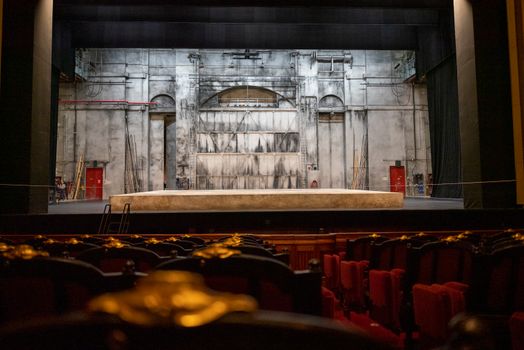
A Stage Designer is a super creative person who brings the world of a play or performance to life on stage! Imagine reading a script and then dreaming up what the set should look like, where the actors will move, and what kind of atmosphere you want to create. You design everything from the big backdrops and furniture to smaller props, making sure it all fits the story and helps the audience understand what's happening. You'd use your artistic skills to draw plans, build models, and work with a team to make sure your vision becomes a real, physical space that people can perform in. This job involves a lot of imagination and problem-solving. You'd work closely with the director of the play, listening to their ideas and adding your own to make the stage look amazing. You might also think about how lighting and sound will work with your design. It's a busy role that requires you to be good at drawing, understanding materials, and being able to manage a project from an idea to a finished stage set. Every show is different, so it's a very exciting and varied career!

Stage Designer

Flag Media

Please select a reason for flagging this content.

📊 Statistics

Average Starting Salary

For new Stage Designers in the UK, starting salaries can be around 18,000 to 22,000 pounds per year, especially for entry-level positions or assistant roles. This can vary a lot based on the type and size of production.

Experienced Salary Range

More experienced Stage Designers in the UK, particularly those working on larger or more prestigious productions, can earn between 25,000 and 45,000 pounds per year. Very successful or independent designers might earn more, often project-by-project.

Job Opportunities

It's a creative field, so exact 'number of positions' can be tricky, but there are thousands of theatre companies and venues across the UK. Many Stage Designers work freelance, meaning they take on different projects for various companies, rather than having one full-time job.

🚀 Careers in this path

Flag Media

Please select a reason for flagging this content.

Costume Designer

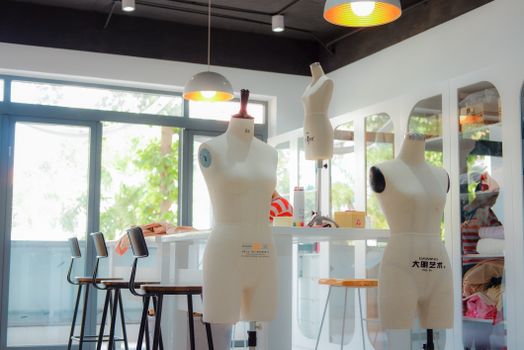
If you enjoy thinking about how characters look, you could design the clothes and accessories they wear on stage. This involves drawing designs, choosing fabrics, and making sure everything fits the show's style.

Flag Media

Please select a reason for flagging this content.

Lighting Designer

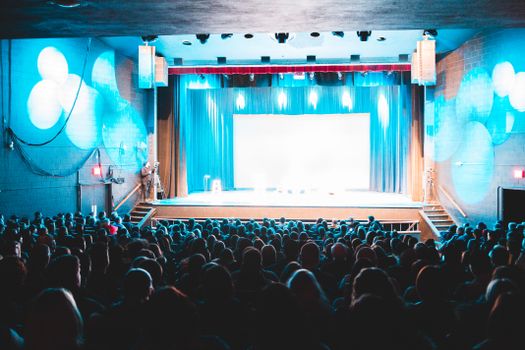
Do you like playing with light and colour? A Lighting Designer creates the atmosphere and mood for a play or concert using different lights, colours, and special effects to make the stage look amazing.

Flag Media

Please select a reason for flagging this content.

Props Master

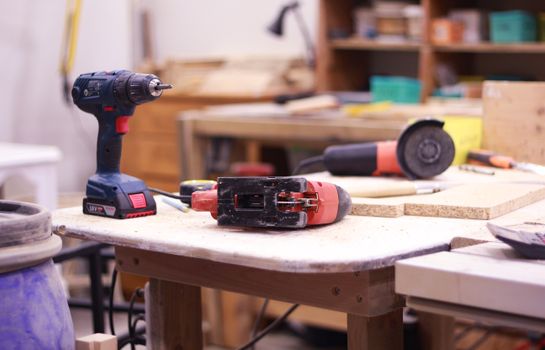
A Props Master finds or makes all the small things characters use or that are on the stage, like teacups, magic wands, or old books. It's like being a detective and a craftsperson all in one!

Discovering Your Creative Spark

Get Involved in School Plays

Start by helping out with plays and performances at your school or local youth theatre group. This is a great way to see how shows are put together!

Offer to help backstage, paint scenery, or even suggest ideas for props. You'll learn about teamwork and see how different elements come together to create a performance. Even if you're just moving props, you'll gain valuable experience in a theatrical environment and understand the flow of a show.

Explore Art and Design

Practice drawing, painting, and making things. Experiment with different materials and colours to see what you like best.

Take art and design classes at school, or simply try creative hobbies at home. This could involve sketching, creating models, or even experimenting with digital art. Developing your artistic skills will be really helpful for visualising and communicating your stage design ideas later on.

Visit Theatres and Shows

Go to as many plays, musicals, and performances as you can. Pay attention to the sets, lights, and how they make you feel.

When you watch a show, try to notice the details of the stage design. How do the colours and shapes make you feel? How does the set change for different scenes? Think about what you like and what you might do differently. This helps you understand what makes a good design and inspires your own ideas.

Building Your Skills and Knowledge

Study Relevant Subjects

Choose subjects at school like Art, Design Technology, Drama, or Textiles. These will teach you useful skills.

These subjects will give you a strong foundation in visual arts, construction, and understanding storytelling. Art and Design Technology are particularly useful for learning about materials, model making, and drawing technical plans. Drama can help you understand how actors use the space you design, and Textiles can be useful for costume design aspects.

Learn About Theatre History

Discover how stages have changed over time and different design styles from around the world.

Understanding theatre history and different design movements (like Shakespearean stages, Greek amphitheatres, or modern experimental theatre) will broaden your perspective and inspire unique ideas. It helps you appreciate how design can enhance different types of stories and performances. Look up famous stage designers and their work for inspiration.

Start a Design Portfolio

Keep a collection of your drawings, models, and ideas. This is like a sketchbook of all your creative work.

A portfolio is super important for showing off your talent when you apply for courses or jobs. Include sketches of set ideas, photos of models you've built, and anything that shows your creative thinking. Even if they're just ideas in a sketchbook, they show your passion and potential.

Taking the Next Steps

Consider Further Education

Look into university courses or specialist colleges that offer degrees in 'Theatre Design', 'Set Design', or 'Performance Design'.

Many universities and drama schools in the UK offer excellent courses specifically for aspiring stage designers. These programmes teach you advanced skills in drawing, model making, technical drawing, lighting design, and understanding theatre production. They also provide opportunities for practical experience on real productions and networking with professionals.

Gain Work Experience

Try to get experience working backstage at professional theatres, even if it's just for a few days.

Contact local theatres, arts centres, or production companies to ask about work experience placements. Even unpaid work experience in prop making, painting sets, or assisting a designer can provide invaluable insights and connections. It shows initiative and gives you a taste of what the job is really like.

Network and Connect

Meet and chat with people who already work in theatre. They can give you advice and might even offer opportunities.

Go to industry events, workshops, or even just talk to people you meet through your school plays or work experience. Building connections with designers, directors, and technicians can open doors to future collaborations and job opportunities. Don't be shy to ask questions and show your enthusiasm!

🎬 Useful Videos

🎯 View Apprenticeships

Explore relevant apprenticeships that can help you kickstart your career in Stage Designer. Apprenticeships offer hands-on experience and training while earning a wage.

Career Progressions

This page showcases various career options and the pathways to reach them. Each career listed here shares transferable skills and knowledge, making it easier for individuals to transition between them.

Your current career is highlighted to help you see how it fits into the broader landscape of potential career choices. By clicking on any career, you can learn more about it, including the training and education required to pursue it.

Remember, progressing in your career often involves further learning and training. This page provides insights into future career options as well as those that can lead up to your current one.

These career progression decisions are informed by comparing the skills and knowledge needed for different occupations, along with data on how people move between them. Explore the possibilities and discover the exciting journey ahead in your career!

Sample Qualifications

Whilst 'Stage Designer' isn't explicitly listed, 'Exhibition designer' is the closest match as both roles involve designing and creating compelling physical environments for public viewing, often requiring similar skills in spatial design, visual presentation, and project management for temporary structures or displays.

How to become

You can get into this job through:

  • a university course
  • an apprenticeship
  • working towards this role

University

You could study for a foundation degree, higher national diploma or degree in a subject like:

  • spatial design (exhibitions)
  • interior design
  • three-dimensional (3D) design
  • interior architecture
  • theatre design

You may also find exhibition design options as part of some events management, and museums and galleries courses.

Entry requirements

You'll usually need:

  • a foundation diploma in art and design
  • 1 or 2 A levels, or equivalent, for a foundation degree or higher national diploma
  • 2 to 3 A levels, or equivalent, for a degree

More Information

Apprenticeship

You could apply to do a Scenic Construction Technician Level 3 Advanced Apprenticeship with an events design or scenery building company.

You could also apply to do a Collections Technician Level 3 Advanced Apprenticeship, if working on specialist exhibitions in museums or galleries.

Entry requirements

You'll usually need:

  • 5 GCSEs at grades 9 to 4 (A* to C), or equivalent, including English and maths, for an advanced apprenticeship

More Information

Work

You may be able to get into this type of work as a junior design assistant. To do this, you are likely to need a qualification in art and design, like a diploma or an A level.

Experience in using computer-aided design (CAD) software packages would also be helpful.

Volunteering

You could volunteer to help set up exhibitions, for example with local arts festivals, galleries or libraries.

This would help you get practical skills, as well as an insight into the project management that goes on behind the scenes.

More Information

Career tips

You'll need to put together a portfolio of your work to highlight your design skills to show at interview. Some work experience would also give you an advantage when applying for training and jobs.

Professional and industry bodies

You could join the Chartered Society of Designers, for professional development, training opportunities and to make industry contacts.

Further information

You can find out more about working in exhibition design from Discover Creative Careers.

Interested in More Career Paths?

Explore other careers or use our AI to discover personalised paths based on your interests.

Stay connected

Join our newsletter to stay up to date on features and releases

Address
Developing Experts Limited
Exchange Street Buildings
35-37 Exchange Street
Norwich
NR2 1DP
UK

Phone
01603 273515

Email
[email protected]

Copyright 2026 Developing Experts, All rights reserved.
