
You could do a college course, which would teach you some of the skills and knowledge you need for this job.
Courses include:
- horse care
- horse management
- equine studies
Entry requirements
Entry requirements for these courses vary.
A Stable Hand, often also known as a Groom, plays a crucial role in the daily care and management of horses within an equestrian setting. This could be at a riding school, private stable, racing yard, livery yard, or a competition yard. The responsibilities are varied and physically demanding, encompassing everything from feeding and watering horses, mucking out stables, and providing fresh bedding, to grooming, rugging, and preparing horses for exercise or turnout. They are also responsible for maintaining the cleanliness and tidiness of the stable yard and associated equipment. Beyond the routine care, a Stable Hand monitors the health and wellbeing of the horses, reporting any concerns to the yard manager or owner. Depending on experience and the type of yard, duties might extend to assisting with veterinary or farrier visits, leading horses to and from paddocks, and sometimes riding horses, particularly if they hold relevant qualifications. It requires a strong work ethic, a genuine love for horses, and the ability to work effectively as part of a team in what can often be a fast-paced environment. Practical skills, attention to detail, and reliability are highly valued.
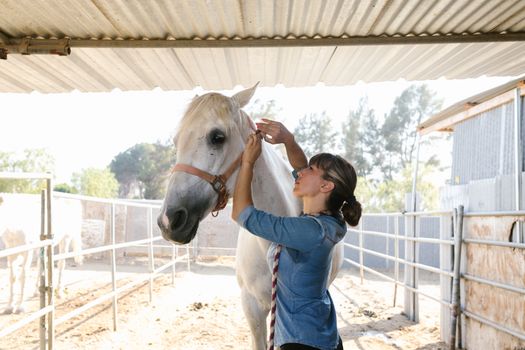
Starting salaries for Stable Hands in the UK typically range from 18,000 to 22,000 per year, with experienced individuals able to earn up to 25,000 or more, especially if they take on supervisory roles or specialise in certain areas like competition yards. Accommodation is sometimes provided as part of the remuneration package.
While precise national figures can fluctuate, job boards frequently list hundreds of Stable Hand and Groom positions across the UK at any given time, reflecting a consistent demand within the equestrian industry for skilled and dedicated individuals, particularly in racing yards, riding schools, and private stables.
Stable Hand roles often involve early starts and late finishes, with a standard week being around 40-50 hours. Weekend work and bank holiday shifts are common due to the 24/7 nature of animal care, although rota systems are usually in place to manage this.
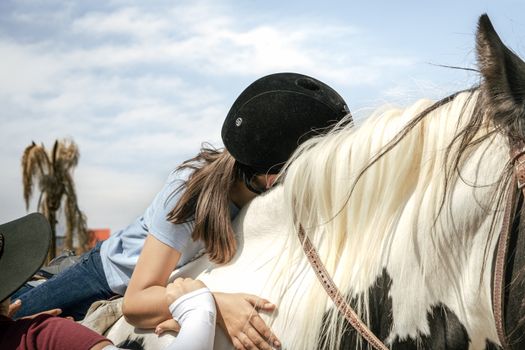
Work alongside a qualified equine physiotherapist, assisting with therapy sessions, exercising horses, and helping with rehabilitation programmes. This builds on your understanding of horse anatomy and welfare, moving towards a therapeutic role.
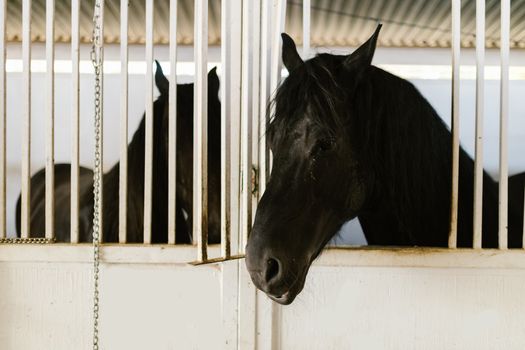
Focus on the care and management of breeding horses (mares, foals, and stallions) at a stud farm. This requires a deeper understanding of equine reproduction, health monitoring, and the specific needs of different age groups, often with higher responsibility.
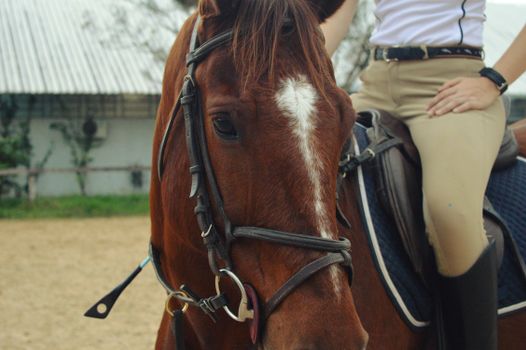
Support qualified riding instructors in teaching horse riding to clients. This involves preparing horses, demonstrating techniques, and helping riders develop their skills, requiring strong communication and an ability to work with both horses and people.
Seek opportunities to work with horses in various capacities to build practical skills and confidence around them.
Start by volunteering at a local riding school, livery yard, or equestrian centre. This is invaluable for learning the basics of horse handling, stable management, and general equine care under supervision. Even helping out a friend with their horse can provide useful experience. Focus on learning about horse behaviour, safety protocols, and the daily routines of a stable.
Consider formal training to solidify your knowledge and demonstrate your commitment to a career in equine care.
Look into introductory courses such as the British Horse Society (BHS) Stage 1 or 2 Care qualifications, or similar programmes offered by agricultural colleges. These courses cover essential topics like horse anatomy, first aid, stable management, feeding, and grooming, providing a recognised qualification that can significantly boost your CV. Many colleges offer part-time or evening options.
Cultivate key personal attributes that are vital for success in a stable environment.
Beyond technical skills, stable hands need to be reliable, punctual, hardworking, observant, and have excellent communication skills. You'll often work as part of a team and need to follow instructions precisely. Physical fitness and stamina are also crucial given the demanding nature of the job. Demonstrate these qualities in any work experience or voluntary roles you undertake.
Prepare compelling application documents that highlight your relevant experience and passion for horses.
Your CV should detail all your horse-related experience, including volunteering, courses, and any other relevant work. Emphasise your reliability, work ethic, and ability to follow instructions. Your cover letter should express your genuine enthusiasm for the role and the particular yard you are applying to. Tailor each application to the specific requirements of the job advert.
Explore various channels to find suitable stable hand vacancies.
Check equestrian job boards online (e.g., Horse and Hound, Yard and Groom), local riding school websites, and even national job sites. Networking within the equestrian community can also be very effective; let people know you're looking for work. Don't be afraid to enquire directly with local yards, even if they haven't advertised a position.
Prepare thoroughly for interviews and be ready to demonstrate your practical skills.
Many stable hand roles will involve a practical trial day where you'll be asked to perform tasks like mucking out, grooming, or leading a horse. Be confident, listen carefully to instructions, and demonstrate your initiative. During the interview, be prepared to discuss your experience, your understanding of horse care, and your availability for early mornings and weekends.
Invest in further education to broaden your skill set and open doors to more senior roles.
Once you have some experience, consider working towards higher BHS qualifications (e.g., BHS Stage 3, BHS Groom qualifications) or other industry-recognised certificates. These can cover more advanced topics like competitive grooming, stable management, coaching, or specific veterinary care, which are highly valued by employers and can lead to promotions.
Explore different areas within equine care to find a niche that interests you and offers career growth.
The equestrian world is diverse. You could specialise in areas such as competition grooming (dressage, showjumping, eventing), stud work (breeding and foals), rehabilitation yards, equine therapy, or even working with specific breeds. Gaining experience in these areas often requires working at specialised yards and acquiring additional training.
Connect with other professionals in the equine industry to learn, share knowledge, and discover new opportunities.
Attend equestrian events, clinics, and workshops. Join online forums and professional groups. Building a strong network can lead to mentorship opportunities, job referrals, and insights into career progression paths. The equine world often relies heavily on personal connections and reputation.
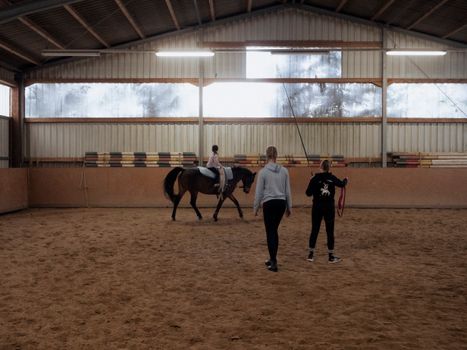
Teaches riding skills and horsemanship to students of all ages and abilities, often working at riding schools or as freelance professionals. Requires significant riding experience and coaching qualifications.

Oversees the entire operation of an equestrian yard, including staff management, horse welfare, client relations, and administrative tasks. Typically requires extensive experience as a Stable Hand or Groom.
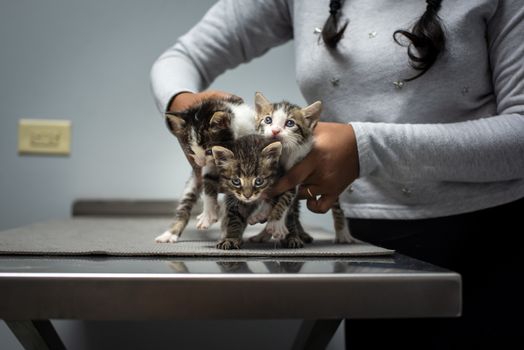
Supports veterinarians in the care and treatment of animals, including horses. Involves assisting with procedures, monitoring patients, and maintaining clinic hygiene. Requires specific qualifications and training in animal healthcare.
Explore relevant apprenticeships that can help you kickstart your career in Stable Hand. Apprenticeships offer hands-on experience and training while earning a wage.
This page showcases various career options and the pathways to reach them. Each career listed here shares transferable skills and knowledge, making it easier for individuals to transition between them.
Your current career is highlighted to help you see how it fits into the broader landscape of potential career choices. By clicking on any career, you can learn more about it, including the training and education required to pursue it.
Remember, progressing in your career often involves further learning and training. This page provides insights into future career options as well as those that can lead up to your current one.
These career progression decisions are informed by comparing the skills and knowledge needed for different occupations, along with data on how people move between them. Explore the possibilities and discover the exciting journey ahead in your career!
A Stable Hand's primary duties involve the daily care, feeding, and general well-being of horses, which directly aligns with the responsibilities of a Horse groom.
You can get into this job through:
You could do a college course, which would teach you some of the skills and knowledge you need for this job.
Courses include:
Entry requirements for these courses vary.
You could apply to a stables or racing yard to do an apprenticeship, for example:
These can take between 1 and 2 years to complete. You'll do on-the-job training and spend some time with a college or learning provider.
If you're aged 16 or over and interested in working in the racing industry, The British Racing School at Newmarket and the National Horseracing College at Doncaster offer pre-apprenticeship foundation courses.
Courses last between 6 and 18 weeks, depending on your experience, and can lead on to an apprenticeship in racehorse care and a career as a groom.
You'll usually need:
Volunteering or doing seasonal work in a stable is a good way to show employers that you're keen to work with horses and learn more about the industry. You can also make contacts that may be useful when you start to look for paid jobs.
If you're working with horses, you may be able to take qualifications, like those offered by The British Horse Society (BHS). They have courses at different stages to match your experience.
Some employers provide on-site accommodation for their staff as part of a salary and benefits package.
You can find out more about training and working with horses from the British Grooms Association and careersinracing.
Explore other careers or use our AI to discover personalised paths based on your interests.
Address
Developing Experts Limited
Exchange Street Buildings
35-37 Exchange Street
Norwich
NR2 1DP
UK
Phone
01603 273515
Email
[email protected]
Copyright 2026 Developing Experts, All rights reserved.

Unlock expert-designed lessons, resources, and assessments tailored for educators. No credit card required.
Claim Your Free Trial →We use cookies to enhance your browsing experience and analyze our traffic. Learn more.
