
You could do a college course, which would teach you some of the skills and knowledge you need for this job.
Courses include:
- horse care
- horse management
- equine studies
Entry requirements
Entry requirements for these courses vary.
Being a stable hand means you get to spend your days looking after horses! It is a super important job because horses need lots of care to stay happy and healthy. Your day might start early, making sure the horses have fresh food and water. You would also clean their stables, which is where they sleep, to keep everything tidy and comfortable for them. Stable hands often groom the horses, brushing their coats to make them shiny and checking they are well. You might help prepare horses for riding, putting on their saddles and bridles, and sometimes you get to help exercise them too. It is a job for someone who loves animals and does not mind working outdoors in all kinds of weather, making sure their horse friends are always well cared for. It can be hard work but it is very rewarding.
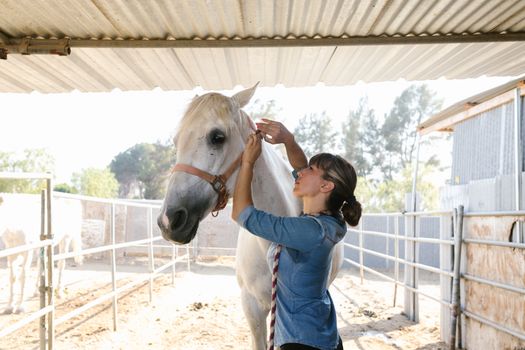
A stable hand starting out in the UK might expect to earn around 15,000 to 18,000 pounds a year. This can go up as you get more experience.
With more experience and extra skills, a stable hand could earn between 20,000 to 25,000 pounds a year, or even more if they manage a stable.
There are usually many stable hand jobs available across the UK, especially in the countryside. These jobs often pop up at riding schools, livery yards, racing stables, and private homes.
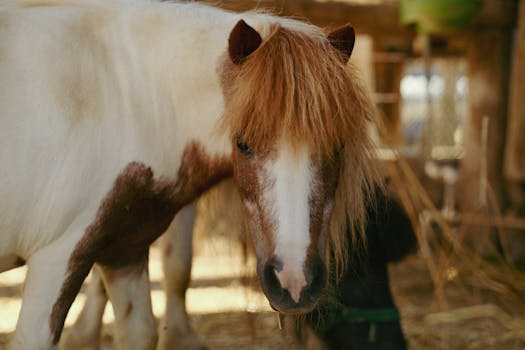
Imagine helping out at a Pony Club. You'd get to groom ponies, make sure they have fresh water, and help set up fun games for riders. It's like being a special helper for ponies and their young riders!
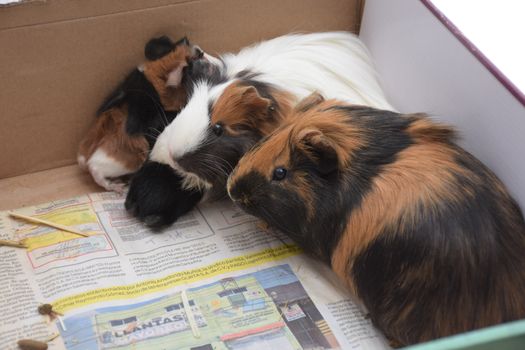
Think about working in a pet shop! You could help look after all sorts of small animals like hamsters, guinea pigs, and even fish. You'd make sure their cages are clean, they have food, and they're happy and healthy.
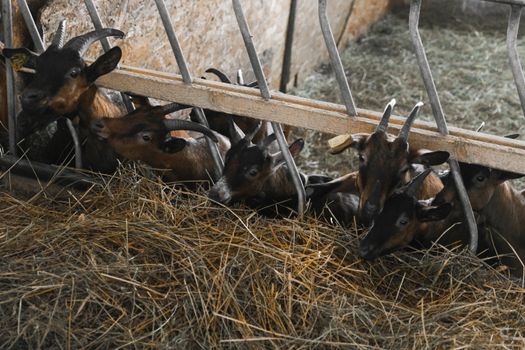
This is like being a helper on a farm. You might get to feed chickens, collect eggs, make sure the sheep have fresh hay, or help look after other friendly farm animals. It's all about making sure they're well looked after.
Go with a grown-up to a local stable or riding school to see horses up close and watch what stable hands do.
Many stables welcome visitors, and some even have special 'open days' where you can learn more about horses and the people who care for them. It's a great way to see if you like being around horses and understand some of the daily tasks involved in looking after them. You might see stable hands mucking out, feeding, or grooming.
Find fun books at the library or online that teach you about horses, their different breeds, and how to care for them.
Books can teach you so much, like what horses eat, how to tell if they're happy or sad, and the names of different horse parts like their mane and tail. Some books also have exciting stories about horses that can inspire you. Look for books specifically about horse care and stable management to get a head start.
If you have pets, practise looking after them, like feeding them, giving them fresh water, and keeping their space clean.
Even though horses are much bigger, looking after smaller pets at home teaches you responsibility and how to care for another living creature. You'll learn about daily routines, making sure they have food and water, and keeping their environment tidy. These are all important skills for a future stable hand.
Learn how to ride a horse! This helps you understand horses better and feel more comfortable around them.
Taking riding lessons is not just about learning to sit on a horse; it's also about learning how to communicate with them, understand their movements, and build trust. Riding schools often teach you some basic stable duties too, like leading a horse or putting on their bridle and saddle. It's a super fun way to connect with horses.
When you're a bit older, you might be able to help out at a stable, doing little jobs like sweeping or filling water buckets.
Volunteering is a fantastic way to get real-life experience. Even if you start with small tasks, you'll be around horses and the people who care for them, learning by watching and helping. This could be after school or during holidays, and it shows you're dedicated and keen to learn. Always ask a grown-up to help you find a suitable place.
Find out what horses need to stay healthy, like good food, exercise, and how to spot if they're not feeling well.
Understanding horse health is really important. You can learn about different types of horse feed, why they need daily exercise, and signs that a horse might be sick, like if they're not eating or seem tired. Knowing these things helps you to look after them properly and tell an adult if something isn't right. There are lots of fun online resources and books for kids about horse health.
As you get older and more experienced, you'll learn to do more daily jobs like mucking out, grooming, and preparing feeds.
These are the core duties of a stable hand. Mucking out means cleaning the horse's bed to keep it fresh and hygienic. Grooming involves brushing the horse to keep their coat shiny and check for any scrapes. Preparing feeds means giving horses the right amount of food and water at the correct times. These tasks are important for keeping horses happy and healthy.
Understand how to lead horses carefully, put on their equipment like bridles and saddles, and keep everyone safe.
Handling horses safely is key. This involves learning how to approach a horse calmly, lead them correctly with a halter and lead rope, and understand their behaviour so you can predict what they might do. You'll also learn how to properly put on and take off tack (riding equipment) without startling the horse, ensuring both you and the horse are always safe.
When you're grown up, you might want to take special courses or apprenticeships to become an even better stable hand or horse groom.
There are lots of great training programmes in the UK, like apprenticeships or college courses, that can teach you even more advanced skills in horse care. These could include learning about equine first aid, advanced riding techniques, or how to care for competition horses. This extra learning can help you get fantastic jobs in bigger stables or even travel the world with horses!
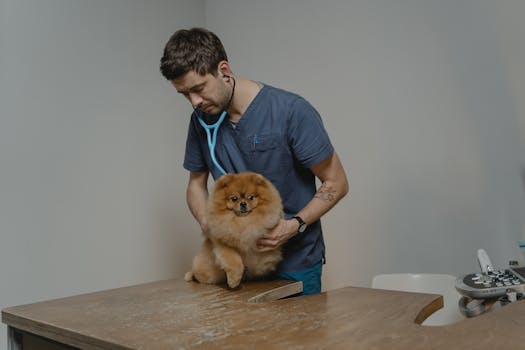
A veterinary nurse helps look after poorly animals, just like a nurse helps people. They work with vets to make sure pets and farm animals get better.
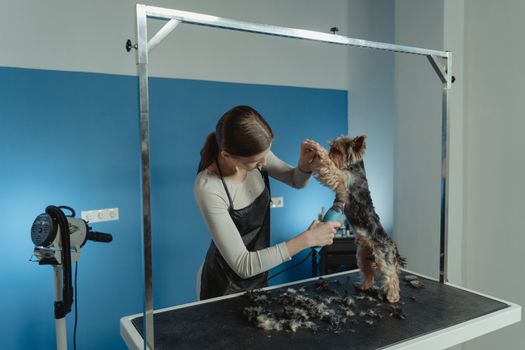
A dog groomer helps keep dogs clean and tidy by washing their fur, trimming their nails, and making them look super smart.
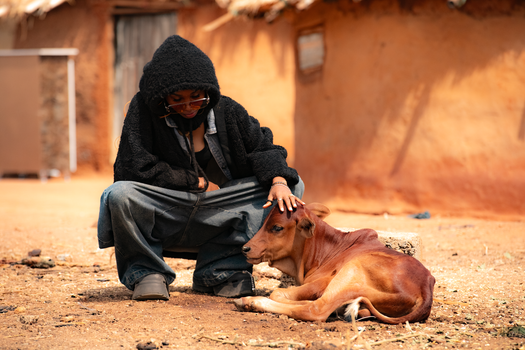
An animal care assistant works in places like animal shelters or pet shops, looking after all sorts of animals and making sure they are happy and healthy.
Explore relevant apprenticeships that can help you kickstart your career in Stable Hand. Apprenticeships offer hands-on experience and training while earning a wage.
This page showcases various career options and the pathways to reach them. Each career listed here shares transferable skills and knowledge, making it easier for individuals to transition between them.
Your current career is highlighted to help you see how it fits into the broader landscape of potential career choices. By clicking on any career, you can learn more about it, including the training and education required to pursue it.
Remember, progressing in your career often involves further learning and training. This page provides insights into future career options as well as those that can lead up to your current one.
These career progression decisions are informed by comparing the skills and knowledge needed for different occupations, along with data on how people move between them. Explore the possibilities and discover the exciting journey ahead in your career!
A Stable Hand's primary duties involve the care, feeding, grooming, and general welfare of horses, which directly aligns with the responsibilities of a Horse Groom. Both roles require practical experience with horses and stable management.
You can get into this job through:
You could do a college course, which would teach you some of the skills and knowledge you need for this job.
Courses include:
Entry requirements for these courses vary.
You could apply to a stables or racing yard to do an apprenticeship, for example:
These can take between 1 and 2 years to complete. You'll do on-the-job training and spend some time with a college or learning provider.
If you're aged 16 or over and interested in working in the racing industry, The British Racing School at Newmarket and the National Horseracing College at Doncaster offer pre-apprenticeship foundation courses.
Courses last between 6 and 18 weeks, depending on your experience, and can lead on to an apprenticeship in racehorse care and a career as a groom.
You'll usually need:
Volunteering or doing seasonal work in a stable is a good way to show employers that you're keen to work with horses and learn more about the industry. You can also make contacts that may be useful when you start to look for paid jobs.
If you're working with horses, you may be able to take qualifications, like those offered by The British Horse Society (BHS). They have courses at different stages to match your experience.
Some employers provide on-site accommodation for their staff as part of a salary and benefits package.
You can find out more about training and working with horses from the British Grooms Association and careersinracing.
Explore other careers or use our AI to discover personalised paths based on your interests.
Address
Developing Experts Limited
Exchange Street Buildings
35-37 Exchange Street
Norwich
NR2 1DP
UK
Phone
01603 273515
Email
[email protected]
Copyright 2026 Developing Experts, All rights reserved.

Unlock expert-designed lessons, resources, and assessments tailored for educators. No credit card required.
Claim Your Free Trial →We use cookies to enhance your browsing experience and analyze our traffic. Learn more.
