
You could do a college course, which would teach you some of the skills and knowledge you need for this job.
Courses include:
- horse care
- horse management
- equine studies
Entry requirements
Entry requirements for these courses vary.
A stable hand, sometimes called a groom, is someone who looks after horses and maintains the stables where they live. It's a really hands-on job, perfect if you love animals and dont mind getting a bit mucky! Your daily tasks would include feeding the horses, mucking out their stables (which means cleaning them thoroughly), and making sure they have fresh water. You would also be responsible for grooming the horses, which involves brushing their coats to keep them clean and healthy, and checking them over for any cuts or scrapes. Beyond the daily routine, stable hands also prepare horses for riding, which might involve putting on their saddles and bridles. You would help keep the stable yard tidy and safe, and sometimes assist with veterinary visits or farrier appointments (that's the person who trims and shoes horses hooves). It's a job that requires you to be reliable, hardworking, and attentive to detail, as the well-being of the horses depends on you.
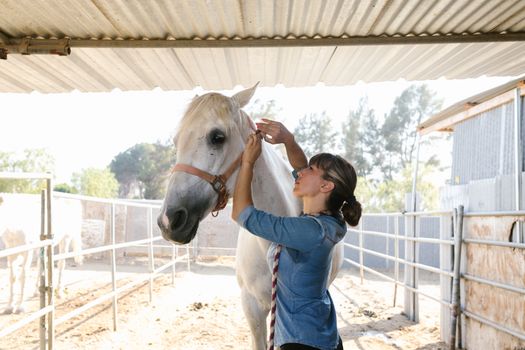
A stable hand starting out in the UK might expect to earn around 18,000 to 20,000 pounds per year, though this can vary depending on experience and location.
With more experience and responsibilities, a stable hand or head groom in the UK could earn between 22,000 and 28,000 pounds per year, or even more for specialised roles.
Stable hands often work early mornings, evenings, and weekends, as horse care is a full-time commitment. A typical week might be around 40 hours, but this can be longer during busy periods.
If you love horses and want to work directly with them, an Equestrian Groom looks after horses' health and wellbeing, helps with training, and keeps the stables tidy. It's a bit like being a horse's personal assistant and caretaker!
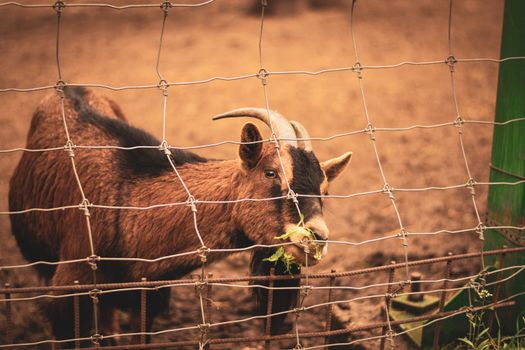
For someone who enjoys caring for animals and is interested in their health, a Veterinary Assistant for Large Animals helps vets look after horses, cows, and other big farm animals. You'd help with check-ups, giving medicines, and keeping the animals comfortable.
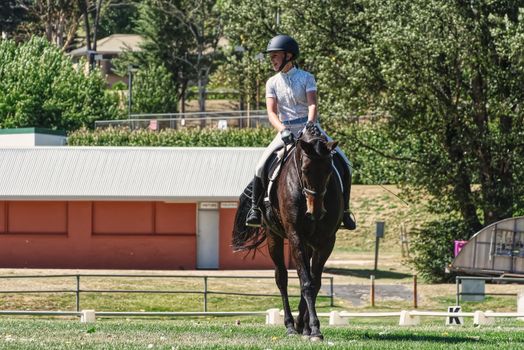
If you like horses and also enjoy helping people learn new things, a Horse Riding Instructor Assistant helps new riders learn how to ride and look after horses. You'd help with lessons, prepare the horses, and make sure everyone is safe and having fun.
Get hands-on experience by volunteering at a local riding school, livery yard, or animal sanctuary that has horses.
Volunteering is a brilliant way to see if working with horses is really for you. You'll learn basic tasks like mucking out stables, grooming horses, and leading them around, all under the guidance of experienced staff. It's not just about the practical skills; you'll also learn about horse behaviour and safety, which is super important when working with large animals. Ask your parents to help you find local places that might need a young volunteer. Even helping out once a week can make a big difference and teach you a lot.
Learn all you can about horse care, breeds, and behaviour from books, websites, and documentaries.
There's so much to learn about horses! Dive into books about horse anatomy, common illnesses, different horse breeds, and how to understand what horses are 'telling' us through their body language. Websites like those for the British Horse Society (BHS) or Pony Club often have fantastic resources. Watching documentaries about horse care or horse behaviour can also be really engaging. The more you know, the more confident you'll feel around horses and the better you'll be at looking after them. Understanding horses well makes you a safer and more effective helper.
If possible, take some riding lessons to understand horses from a rider's perspective.
While being a Stable Hand doesn't always require you to ride, having some experience with riding lessons can give you a better understanding of how horses move, how they react to commands, and the equipment used. It helps you appreciate the horse's perspective and what goes into preparing a horse for riding. You'll learn about tack (saddles and bridles), how to put it on correctly, and how to safely handle a horse when it's being ridden. Even a few lessons can boost your confidence and knowledge significantly.
Become a member of a local Pony Club or a riding centre's junior programme to gain structured learning and qualifications.
Pony Clubs are brilliant for young people interested in horses! They offer structured learning programmes where you can earn badges and certificates in various aspects of horse care and riding. You'll learn everything from first aid for horses to stable management and feeding. These programmes are designed to teach you safely and thoroughly, often leading to recognised qualifications that look great on a CV later on. It's also a fantastic way to meet other horse-loving people and make new friends who share your passion.
Look into entry-level qualifications like BHS Stage 1 or vocational courses if available locally.
As you get a bit older, you can start thinking about formal qualifications. The British Horse Society (BHS) offers a range of qualifications, starting with Stage 1, which covers basic horse care and stable management. Some colleges or training providers might also offer vocational courses, like NVQs in Horse Care, even at a junior level or as part of a school-leaver programme. These qualifications show future employers that you have a solid foundation of knowledge and practical skills, making you a more attractive candidate for paid work.
Consistently practise essential stable duties like grooming, mucking out, tack cleaning, and rugging horses.
The more you practise the core tasks, the better and more efficient you'll become. Grooming isn't just about making a horse look tidy; it's also about checking their health and bonding with them. Mucking out correctly keeps the stable clean and the horse healthy. Learning to clean tack properly makes it last longer and keeps it safe for riding. Regularly doing these tasks will build your stamina and attention to detail, which are crucial for a good Stable Hand. Ask for feedback from experienced staff to keep improving your technique.
Look for paid part-time or full-time Stable Hand roles at local riding schools, livery yards, or private stables.
Once you feel confident in your skills and perhaps have some basic qualifications, start looking for your first paid job. Websites like British Dressage, British Showjumping, or general job boards often list equestrian vacancies. Don't be afraid to visit local yards in person to ask if they have any openings or know of any. Your volunteering experience and any qualifications will be a great help when applying. Be ready for an interview, which might include a practical assessment to show your skills with horses.
Connect with other people in the equestrian world, as they often know about job opportunities.
Networking is really important in the horse industry. Talk to people you meet through volunteering, Pony Club, or riding lessons. Horse owners, trainers, and other Stable Hands often hear about job openings before they are advertised publicly. Being friendly, reliable, and showing enthusiasm will make people remember you. Word-of-mouth recommendations are very powerful. Attending local equestrian events can also be a good way to meet people and learn about different roles available.
Always be open to learning new skills and taking further courses to advance your career.
The equestrian world is always evolving, and there's always something new to learn! As you gain experience, you might want to specialise in certain areas, like horse rehabilitation, breeding, or competition grooming. Look for advanced BHS stages, first aid courses for horses, or specific workshops on things like plaiting, clipping, or driving. The more skills you acquire, the more valuable you become to employers and the more opportunities will open up for you in the future. Showing a commitment to continuous learning is a great trait in any career.
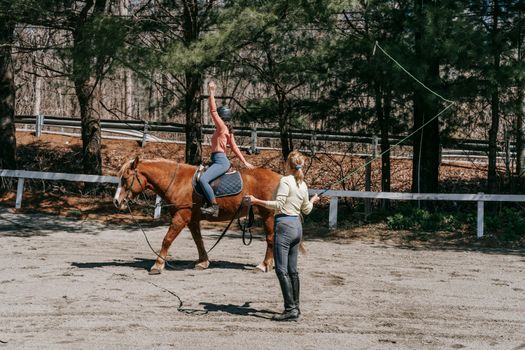
An equestrian coach teaches people how to ride horses and improve their riding skills, often based at a riding school or private yard.
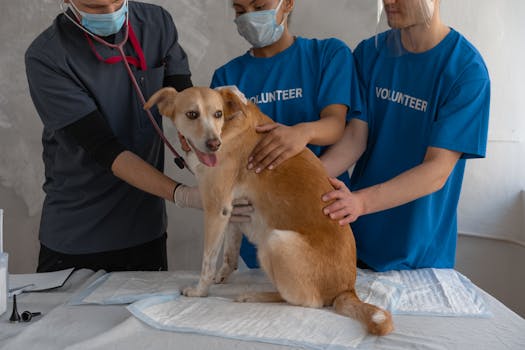
A veterinary assistant helps vets look after sick or injured animals, which can include horses, by assisting with treatments and keeping the clinic clean.
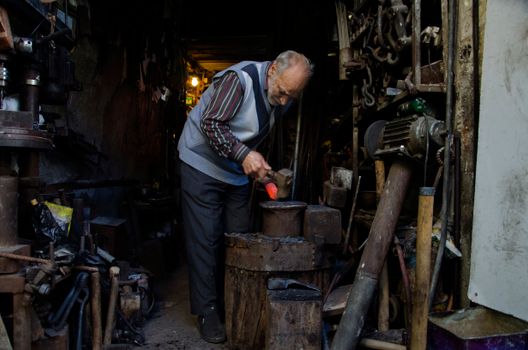
A farrier is a skilled craftsman who cares for horses hooves, trimming them and fitting special shoes to protect them.
Explore relevant apprenticeships that can help you kickstart your career in Stable Hand. Apprenticeships offer hands-on experience and training while earning a wage.
This page showcases various career options and the pathways to reach them. Each career listed here shares transferable skills and knowledge, making it easier for individuals to transition between them.
Your current career is highlighted to help you see how it fits into the broader landscape of potential career choices. By clicking on any career, you can learn more about it, including the training and education required to pursue it.
Remember, progressing in your career often involves further learning and training. This page provides insights into future career options as well as those that can lead up to your current one.
These career progression decisions are informed by comparing the skills and knowledge needed for different occupations, along with data on how people move between them. Explore the possibilities and discover the exciting journey ahead in your career!
A Stable Hand's primary duties involve the daily care and maintenance of horses and their stables, which directly aligns with the responsibilities of a Horse groom, including feeding, mucking out, grooming, and preparing horses.
You can get into this job through:
You could do a college course, which would teach you some of the skills and knowledge you need for this job.
Courses include:
Entry requirements for these courses vary.
You could apply to a stables or racing yard to do an apprenticeship, for example:
These can take between 1 and 2 years to complete. You'll do on-the-job training and spend some time with a college or learning provider.
If you're aged 16 or over and interested in working in the racing industry, The British Racing School at Newmarket and the National Horseracing College at Doncaster offer pre-apprenticeship foundation courses.
Courses last between 6 and 18 weeks, depending on your experience, and can lead on to an apprenticeship in racehorse care and a career as a groom.
You'll usually need:
Volunteering or doing seasonal work in a stable is a good way to show employers that you're keen to work with horses and learn more about the industry. You can also make contacts that may be useful when you start to look for paid jobs.
If you're working with horses, you may be able to take qualifications, like those offered by The British Horse Society (BHS). They have courses at different stages to match your experience.
Some employers provide on-site accommodation for their staff as part of a salary and benefits package.
You can find out more about training and working with horses from the British Grooms Association and careersinracing.
Explore other careers or use our AI to discover personalised paths based on your interests.
Address
Developing Experts Limited
Exchange Street Buildings
35-37 Exchange Street
Norwich
NR2 1DP
UK
Phone
01603 273515
Email
[email protected]
Copyright 2026 Developing Experts, All rights reserved.

Unlock expert-designed lessons, resources, and assessments tailored for educators. No credit card required.
Claim Your Free Trial →We use cookies to enhance your browsing experience and analyze our traffic. Learn more.
