



Creating Career Path...

Finding Further Careers...

Civil Defence Officer

View this career for different education levels:

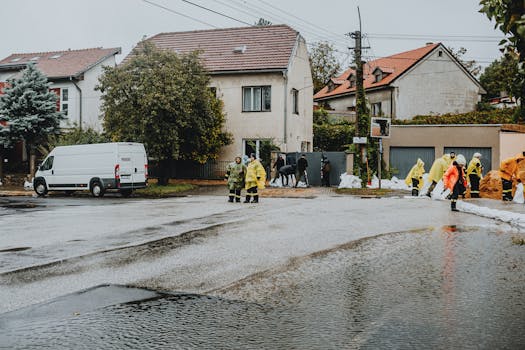
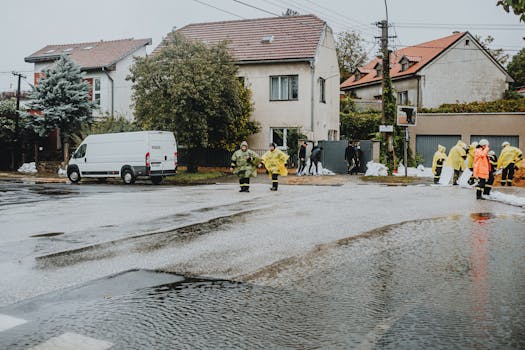
A Civil Defence Officer, more commonly known today as an Emergency Planning Officer or Resilience Manager in the UK, plays a crucial role in preparing for and responding to various emergencies and disasters. This career involves developing, implementing, and testing emergency plans to protect communities and critical infrastructure from incidents such as natural disasters, industrial accidents, and public health crises. You would be responsible for identifying potential risks, assessing vulnerabilities, and coordinating resources with various stakeholders, including emergency services, local authorities, and voluntary organisations. The day-to-day work can be highly varied, involving strategic planning, conducting risk assessments, organising training exercises, and providing public information. During an actual emergency, you would be integral to the response effort, often working in a control room setting to coordinate activities, disseminate information, and ensure an effective recovery. This demanding but rewarding career requires strong organisational skills, the ability to work under pressure, excellent communication, and a proactive approach to problem-solving. It's a field that demands continuous learning and adaptation to new threats and evolving best practices in resilience.

Civil Defence Officer

Flag Media

Please select a reason for flagging this content.

📊 Statistics

Average Starting Salary

For entry-level or junior roles in emergency planning or resilience, you could expect to start in the range of £25,000 to £35,000 per year in the UK, depending on the specific organisation and region.

Experienced Professional Salary

Experienced Civil Defence Officers or Emergency Planning Managers in the UK can earn between £35,000 and £55,000 annually. Senior roles or specialised positions in larger organisations or local authorities may reach £60,000+.

Estimated Number of Roles

While a precise 'Civil Defence Officer' job title is less common now, roles under 'Emergency Planning Officer' or 'Resilience Manager' are available across local authorities, government agencies, and some private sector organisations. There are likely several thousand such positions across the UK, varying in seniority and focus.

🚀 Careers in this path

Flag Media

Please select a reason for flagging this content.

Emergency Planning Officer

Focuses on developing and implementing plans for responding to emergencies and major incidents at a local authority or national level. This involves risk assessment, resource allocation, and coordinating multi-agency responses.

Flag Media

Please select a reason for flagging this content.

Resilience Officer

Works to build community and organisational resilience to various threats, from natural disasters to cyber attacks. This role involves training, public awareness campaigns, and ensuring continuity of essential services during disruptions.

Flag Media

Please select a reason for flagging this content.

Business Continuity Manager

Specialises in ensuring an organisation can continue its critical operations after a disruptive event. This involves creating and testing continuity plans, identifying vulnerabilities, and training staff in recovery procedures.

Foundation and Education

Achieve a relevant degree

Obtain an undergraduate degree in a field such as Emergency Management, Disaster Relief, Public Administration, Environmental Science, or a related discipline.

While specific degrees aren't always mandatory, a degree in a relevant field provides a strong academic foundation in risk assessment, disaster planning, and policy. Look for university programmes that offer modules in crisis communication, humanitarian logistics, and public safety law. Some universities offer dedicated Emergency Management degrees which are highly beneficial.

Gain foundational knowledge in first aid and safety

Complete accredited training courses in advanced first aid, CPR, and basic fire safety to equip you with essential immediate response skills.

Many organisations, such as St John Ambulance or the British Red Cross, offer comprehensive first aid courses that are widely recognised. Additionally, look for basic fire marshal or fire awareness training. These certifications demonstrate a proactive approach to emergency situations and provide practical skills vital for a Civil Defence Officer.

Develop strong communication and leadership skills

Actively seek opportunities to develop and demonstrate strong verbal and written communication, as well as leadership abilities, through academic projects, extracurricular activities, or part-time work.

Civil Defence Officers often lead teams, brief stakeholders, and communicate critical information to the public under pressure. Participate in student societies, volunteer groups, or take on leadership roles in part-time jobs. Practice public speaking and report writing to hone these essential skills, as effective communication is paramount in emergency situations.

Entry and Experience

Seek entry-level positions or internships

Apply for internships, volunteer roles, or entry-level positions within emergency services, local councils, or relevant NGOs to gain practical experience.

Look for roles like Emergency Planning Assistant, Community Resilience Coordinator (volunteer), or administrative support within a local authority's emergency planning unit. These roles provide invaluable insight into the operational aspects of civil defence and allow you to build a network within the sector. Practical exposure is highly valued by employers.

Undertake specialised training courses

Complete professional development courses in areas like incident command systems, risk assessment, business continuity, or specific disaster response protocols.

Organisations such as the Emergency Planning College (EPC) in the UK offer a range of specialist courses covering various aspects of emergency management. These courses are often highly regarded and can significantly boost your CV. Consider topics like CBRN (Chemical, Biological, Radiological, Nuclear) awareness, flood response, or psychological first aid.

Network within the emergency planning community

Attend industry conferences, workshops, and seminars to connect with professionals and stay updated on best practices and emerging trends.

Networking is crucial in this field. Join professional bodies like The Emergency Planning Society (EPS) to gain access to events, resources, and job opportunities. These interactions can provide mentorship, inform you about unadvertised vacancies, and help you understand the current challenges and innovations in civil defence.

Advancement and Specialisation

Gain advanced qualifications

Consider pursuing a Master's degree in Emergency Management, Disaster Resilience, or a related field to deepen your expertise and open doors to senior roles.

A postgraduate qualification can provide a more in-depth understanding of complex emergency planning theories, international disaster response frameworks, and advanced research methodologies. It often demonstrates a higher level of commitment and analytical capability, which is highly valued for leadership positions within civil defence organisations.

Seek leadership and project management roles

Actively pursue opportunities to lead projects, manage teams, or take on greater responsibilities within emergency planning or response initiatives.

Look for roles such as Senior Emergency Planning Officer, Resilience Manager, or Project Lead on specific preparedness programmes. Demonstrate your ability to manage budgets, coordinate multi-agency responses, and implement strategic plans. Proving your leadership capabilities is key to moving up the career ladder.

Specialise in a niche area

Develop expertise in a specific area such as critical infrastructure protection, cyber resilience, climate change adaptation, or community engagement.

As you gain experience, you might find a particular aspect of civil defence that interests you or where there is a growing demand for expertise. Becoming a specialist in an area like flood risk management, public health emergencies, or technological hazards can make you a highly valuable asset and lead to senior advisory or consultant roles within the sector.

🎬 Useful Videos

🎯 View Apprenticeships

Explore relevant apprenticeships that can help you kickstart your career in Civil Defence Officer. Apprenticeships offer hands-on experience and training while earning a wage.

Career Progressions

This page showcases various career options and the pathways to reach them. Each career listed here shares transferable skills and knowledge, making it easier for individuals to transition between them.

Your current career is highlighted to help you see how it fits into the broader landscape of potential career choices. By clicking on any career, you can learn more about it, including the training and education required to pursue it.

Remember, progressing in your career often involves further learning and training. This page provides insights into future career options as well as those that can lead up to your current one.

These career progression decisions are informed by comparing the skills and knowledge needed for different occupations, along with data on how people move between them. Explore the possibilities and discover the exciting journey ahead in your career!

Sample Qualifications

A Civil Defence Officer role involves leadership, command, and crisis management, often in emergency or security contexts. Among the options, 'Army officer' best aligns due to its focus on leadership, strategic planning, and operational command, which are transferable skills and duties.

How to become

You could get into this job through:

  • a university course
  • a college course
  • an apprenticeship
  • applying directly

University

You can do a degree course before you apply for officer training although it's not essential.

Most subjects are acceptable.

You can also apply for an army officer internship before, during or after university. This gives you the chance to learn about the officer role and whether it's something you want to do.

Entry requirements

You'll usually need:

  • 2 to 3 A levels, or equivalent, for a degree

More Information

College

You could work towards becoming an officer by doing a college course, for example in public services or A levels. You would then apply to the army for officer training.

Entry requirements

Entry requirements for these courses vary.

More Information

Apprenticeship

You could start your army career by doing an HM Forces Serviceperson Level 2 Intermediate Apprenticeship.

You would apply directly to the army to find the best apprenticeship route for you.

Entry requirements

To do this apprenticeship, you'll need:

  • some GCSEs, usually including English and maths, or equivalent, for an intermediate apprenticeship

More Information

Volunteering

You can join the Army Reserve as a part-time officer to get some experience of what life is like in the regular army. You'll also learn new skills at the same time.

You'll need to:

  • be between 18 and 49
  • commit to at least 27 days a year, though this can fall to 19, if you apply for a specialist unit
  • attend a 2-week training camp each year

If you're between 12 and 18 years old, you can join the Army Cadet Force.

Direct Application

You can apply directly for officer training.

You'll need to:

  • be between 17 years 9 months and 28 years and 11 months
  • get a GP's medical report

You'll also usually need a minimum of:

  • GCSEs at grades 9 to 4 (A* to C), or equivalent, including English, maths, science or a foreign language
  • 2 A levels or equivalent qualifications

You'll be invited to talk to someone at your local army careers centre about the opportunities available. You'll then attend a 2-part assessment, which includes medical and fitness tests.

If you're accepted, you'll move onto formal officer training at the Royal Military Academy at Sandhurst in Surrey.

Further information

You'll find more information about becoming an army officer from Army Careers.

Interested in More Career Paths?

Explore other careers or use our AI to discover personalised paths based on your interests.

Stay connected

Join our newsletter to stay up to date on features and releases

Address
Developing Experts Limited
Exchange Street Buildings
35-37 Exchange Street
Norwich
NR2 1DP
UK

Phone
01603 273515

Email
[email protected]

Copyright 2026 Developing Experts, All rights reserved.
