
Creating Career Path...

Finding Further Careers...

Civil Defence Officer

View this career for different education levels:

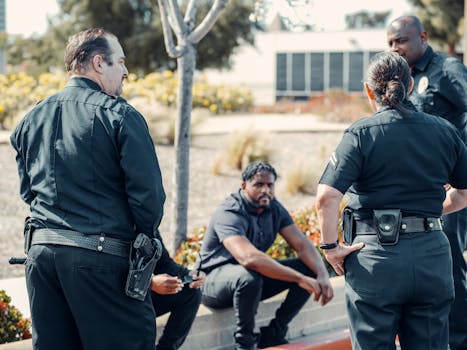
Imagine a superhero who plans how to keep everyone safe before an emergency even happens That's a bit like a Civil Defence Officer! Their job is to help communities in the UK get ready for big problems like floods, very bad storms, or other important events that could affect lots of people. They work with local councils, the police, fire service, and hospitals to make sure everyone knows what to do if something serious happens. They help create plans, organise practice drills, and teach people how to stay safe. They might also help after an emergency by making sure people get the help they need. Civil Defence Officers are very important people because they help protect everyone. They teach communities about risks and how to prepare. They also help to make sure that schools, homes, and businesses know what to do if there is an emergency. It is a job that helps lots of people and keeps them safe.

Civil Defence Officer

Flag Media

Please select a reason for flagging this content.

📊 Statistics

Starting Salary

A new Civil Defence Officer might start on a salary between 25,000 and 30,000 pounds per year, depending on their experience and where they work in the UK.

Experienced Salary

With more experience, a Civil Defence Officer could earn between 35,000 and 50,000 pounds per year or even more in senior roles. This shows that hard work can help you earn more as you get better at the job.

Job Availability

While not a huge number of jobs, there are always opportunities in different parts of the UK. These roles are often found within local councils, emergency services, or government departments, which means there are roles available across the country.

🚀 Careers in this path

Flag Media

Please select a reason for flagging this content.

Emergency Services Communicator

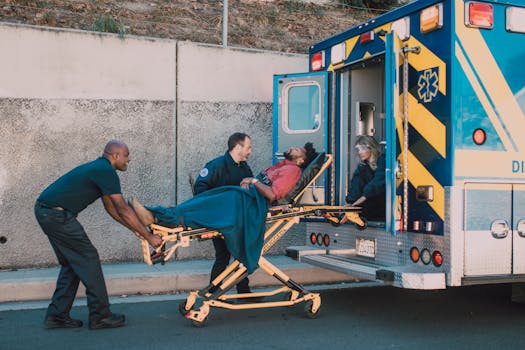
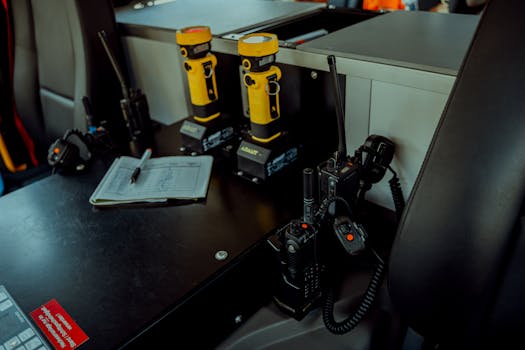
Imagine you're the person who answers the phone when someone needs help! You'd talk to people and tell the police, fire brigade, or ambulance where to go.

Flag Media

Please select a reason for flagging this content.

Community Safety Champion

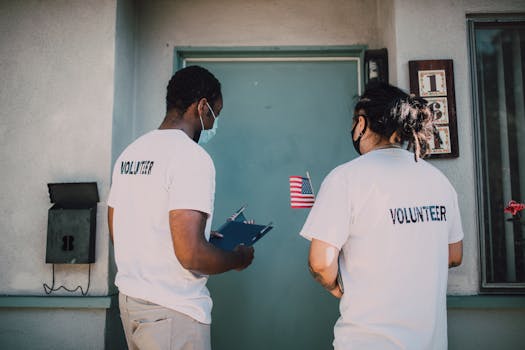
You'd be like a superhero in your local area, teaching everyone how to stay safe in different situations, like what to do in a fire or how to cross the road safely.

Flag Media

Please select a reason for flagging this content.

Disaster Relief Helper

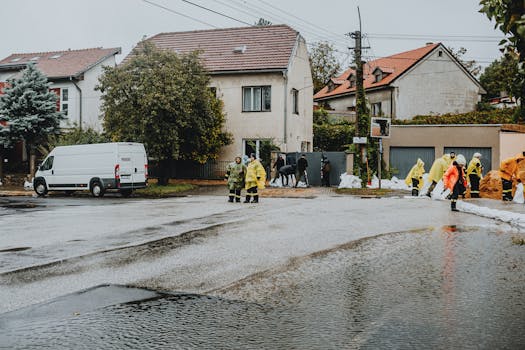
If there was a big storm or a problem, you'd help organise things to make sure everyone had somewhere safe to go and enough food and water. You'd be a super helper!

Learning and Exploring

Be a Curious Kid

Start by being super curious about how things work and how to help people. Watch the news with your grown-ups and ask about things like weather reports or community events.

Learn about different types of emergencies like heavy rain, strong winds, or even just a power cut. You can ask your teachers or parents about what to do in these situations. Read books or watch age-appropriate shows that talk about helping others and staying safe.

Learn First Aid Basics

Ask a grown-up to teach you simple first aid, like how to put on a plaster or what to do if someone falls down. Knowing how to help is a great skill!

Many schools and youth groups like Cubs or Brownies teach basic first aid. You could learn how to safely clean a cut, apply a bandage, or know when to get an adult for help. This helps you understand how important it is to be calm and helpful in an emergency.

Join a Helping Group

Join a group like Scouts, Guides, or your school's safety patrol. These groups teach you about working as a team and helping your community.

Being part of a group like the Scouts or Guides teaches you valuable skills like teamwork, problem-solving, and leadership. You'll learn about outdoor safety, helping others, and even how to be prepared for different situations. These experiences are brilliant for learning how to be a responsible and helpful member of your community.

Building Skills and Knowledge

Study Important Subjects

At school, try hard in subjects like science, geography, and maths. These help you understand the world and solve problems.

Science helps you understand things like weather patterns and how different materials react. Geography helps you learn about different places, maps, and how natural events can affect communities. Maths is useful for planning and understanding numbers related to resources or people. These subjects give you a strong foundation for understanding emergency situations.

Learn About Your Community

Find out about your local area. Where are the important buildings? What are the safe places if there's a problem?

Ask your parents or teachers about the important places in your town, like hospitals, fire stations, or community centres. Learn about the safe routes to school and back, and what to do if you get lost. Understanding your local environment is a key part of being prepared and helping others in an emergency.

Develop Good Communication

Practise talking clearly and listening carefully. Civil Defence Officers need to explain things to lots of different people!

Playing games that involve explaining rules, telling stories, or having debates can help improve your communication skills. Listening carefully to others is just as important as speaking clearly. Being able to explain instructions calmly and clearly, especially in a tricky situation, is a very important skill for a Civil Defence Officer.

Becoming a Civil Defence Officer

Get More Education

After school, you might go to college or university to study things like emergency planning, public safety, or risk management.

Many universities offer courses specifically designed for people who want to work in emergency services or public safety. These courses teach you advanced skills in planning, managing resources, and understanding how to respond to large-scale emergencies. Some officers might also start with a degree in a related field like geography or environmental science and then specialise.

Volunteer and Gain Experience

Volunteer with organisations like the Red Cross, St John Ambulance, or local community emergency teams. This gives you real-life experience.

Volunteering is a brilliant way to gain practical experience and show your commitment. You'll work alongside experienced professionals, learn about real-world emergency responses, and understand the importance of community support during difficult times. This hands-on experience is highly valued when applying for jobs.

Apply for Jobs

Look for jobs with local councils, emergency services, or government departments that deal with emergency planning and resilience.

When you're ready, you can start applying for entry-level positions within organisations that manage civil defence and emergency planning. These roles might be called 'Emergency Planning Assistant' or 'Resilience Officer'. You'll use all the knowledge and skills you've gained to help your community be prepared and safe.

🎯 View Apprenticeships

Explore relevant apprenticeships that can help you kickstart your career in Civil Defence Officer. Apprenticeships offer hands-on experience and training while earning a wage.

Career Progressions

This page showcases various career options and the pathways to reach them. Each career listed here shares transferable skills and knowledge, making it easier for individuals to transition between them.

Your current career is highlighted to help you see how it fits into the broader landscape of potential career choices. By clicking on any career, you can learn more about it, including the training and education required to pursue it.

Remember, progressing in your career often involves further learning and training. This page provides insights into future career options as well as those that can lead up to your current one.

These career progression decisions are informed by comparing the skills and knowledge needed for different occupations, along with data on how people move between them. Explore the possibilities and discover the exciting journey ahead in your career!

Sample Qualifications

A Civil Defence Officer role typically involves training, planning, and responding to emergencies, often in a structured, uniformed environment with command responsibilities, closely aligning with the leadership and operational duties of an Army officer. While the specific context differs, the command structure, training requirements, and public safety focus make this the closest match among the options, as other 'officer' roles are either too civilian enforcement, technical, or heritage-focused.

How to become

You could get into this job through:

  • a university course
  • a college course
  • an apprenticeship
  • applying directly

University

You can do a degree course before you apply for officer training although it's not essential.

Most subjects are acceptable.

You can also apply for an army officer internship before, during or after university. This gives you the chance to learn about the officer role and whether it's something you want to do.

Entry requirements

You'll usually need:

  • 2 to 3 A levels, or equivalent, for a degree

More Information

College

You could work towards becoming an officer by doing a college course, for example in public services or A levels. You would then apply to the army for officer training.

Entry requirements

Entry requirements for these courses vary.

More Information

Apprenticeship

You could start your army career by doing an HM Forces Serviceperson Level 2 Intermediate Apprenticeship.

You would apply directly to the army to find the best apprenticeship route for you.

Entry requirements

To do this apprenticeship, you'll need:

  • some GCSEs, usually including English and maths, or equivalent, for an intermediate apprenticeship

More Information

Volunteering

You can join the Army Reserve as a part-time officer to get some experience of what life is like in the regular army. You'll also learn new skills at the same time.

You'll need to:

  • be between 18 and 49
  • commit to at least 27 days a year, though this can fall to 19, if you apply for a specialist unit
  • attend a 2-week training camp each year

If you're between 12 and 18 years old, you can join the Army Cadet Force.

Direct Application

You can apply directly for officer training.

You'll need to:

  • be between 17 years 9 months and 28 years and 11 months
  • get a GP's medical report

You'll also usually need a minimum of:

  • GCSEs at grades 9 to 4 (A* to C), or equivalent, including English, maths, science or a foreign language
  • 2 A levels or equivalent qualifications

You'll be invited to talk to someone at your local army careers centre about the opportunities available. You'll then attend a 2-part assessment, which includes medical and fitness tests.

If you're accepted, you'll move onto formal officer training at the Royal Military Academy at Sandhurst in Surrey.

Further information

You'll find more information about becoming an army officer from Army Careers.

Interested in More Career Paths?

Explore other careers or use our AI to discover personalised paths based on your interests.

Stay connected

Join our newsletter to stay up to date on features and releases

Address
Developing Experts Limited
Exchange Street Buildings
35-37 Exchange Street
Norwich
NR2 1DP
UK

Phone
01603 273515

Email
[email protected]

Copyright 2026 Developing Experts, All rights reserved.