



Creating Career Path...

Finding Further Careers...

Civil Defence Officer

View this career for different education levels:

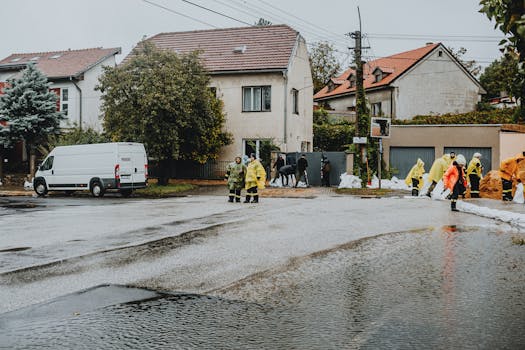
Imagine a big storm is coming, or there's a problem that affects lots of people in your town. A Civil Defence Officer, or more commonly nowadays, an Emergency Planning Officer or Resilience Officer, is the person who helps plan what to do before, during, and after such events. They work to make sure communities are ready for all sorts of emergencies, from floods and power cuts to public health issues or even large-scale incidents. They help create plans, organise drills, and train people on how to respond safely and effectively. This involves working with lots of different groups, like the police, fire service, ambulance service, local councils, and even volunteers, to make sure everyone knows their role and can work together smoothly to keep people safe. Being a Civil Defence Officer means you need to be very organised, calm under pressure, and good at thinking ahead. You'll spend a lot of time researching potential risks, writing detailed plans, and communicating with different people to explain these plans. During an actual emergency, you might be helping to coordinate the response, making sure resources get to where they're needed, and providing updates to the public. It's a really important job because it helps protect lives and communities, making sure that when something unexpected happens, everyone is as prepared as they can be.

Civil Defence Officer

Flag Media

Please select a reason for flagging this content.

📊 Statistics

Average Salary (UK)

Starting salaries for roles in emergency planning or civil resilience in the UK can be around 25,000 to 35,000 pounds per year. With experience, this can rise to 40,000 to 55,000 pounds or more for senior positions.

Job Outlook (UK)

While 'Civil Defence Officer' is an older term, similar roles in 'Emergency Planning' or 'Resilience' are important across local authorities, government agencies, and some private organisations. The demand for these skills remains steady, with job postings appearing regularly on local council and government job sites.

Typical Working Hours

Most Civil Defence or Emergency Planning Officers work standard office hours (e.g., 9 am to 5 pm), but they must be ready to work extra hours or be on call during emergencies, which could mean working evenings, weekends, or even holidays.

🚀 Careers in this path

Flag Media

Please select a reason for flagging this content.

Emergency Planning Officer

Imagine you work for the local council, planning how to keep everyone safe during big emergencies like floods or power cuts. You'd help prepare for what to do and make sure people know about it.

Flag Media

Please select a reason for flagging this content.

Community Resilience Coordinator

This job is all about helping local communities get ready for problems. You'd help neighbours set up support networks and learn skills to look after each other if something bad happens, like a really bad storm.

Flag Media

Please select a reason for flagging this content.

Business Continuity Advisor

Think about helping shops, offices, or factories make sure they can still operate even if something unexpected happens, like a fire or a big computer problem. You'd help them plan so they can get back to normal quickly.

Build Your Foundations

Do Well at School

Focus on subjects like English, Maths, Science, and Geography. These subjects will help you develop important skills for a Civil Defence Officer.

Good communication (English) is vital for talking to people and writing reports. Maths helps with planning and understanding data. Science can help you understand emergencies like weather events, and Geography can give you a better grasp of local areas and potential hazards. Aim for good grades to keep your options open for further education.

Join Youth Groups

Get involved in groups like the Cadets, Scouts, Guides, or your school's volunteer club. These activities teach teamwork, leadership, and problem-solving.

Being part of a team and learning to lead others are key skills for a Civil Defence Officer. You'll often be working with different groups of people and coordinating efforts during an emergency. These groups also help you learn about discipline, responsibility, and helping your community.

Develop Practical Skills

Learn basic first aid, map reading, and how to use a compass. These are practical skills that are very useful in emergency situations.

Knowing basic first aid could help you assist someone in need before paramedics arrive. Map reading and navigation skills are crucial for understanding locations and coordinating responses, especially in areas where GPS might be unreliable or during power outages. Look for courses run by organisations like St John Ambulance or the Red Cross.

Gain Experience & Knowledge

Consider Further Education

Look into college courses or university degrees related to emergency planning, disaster management, or public services.

While not always essential, a qualification in a relevant field can give you a strong advantage. Options include BTECs or A-Levels in subjects like Public Services, or university degrees such as Emergency Management, Disaster Resilience, or even Criminology. These courses will teach you the theories and practices behind preparing for and responding to major incidents.

Volunteer in Emergency Services

Volunteer with local emergency services support groups, community resilience teams, or organisations like the Red Cross or St John Ambulance.

This is a fantastic way to get real-world experience and see how emergency response works on the ground. You could help with community training events, assist at public gatherings, or even get involved in local resilience projects. This shows dedication and helps you build a network with people already in the field.

Look for Entry-Level Roles

Search for entry-level jobs or apprenticeships within local councils, emergency services, or large organisations with health and safety departments.

Roles like Emergency Planning Assistant, Community Resilience Officer, or administrative positions within emergency services departments can provide valuable experience and a foot in the door. Apprenticeships offer a structured way to learn on the job while gaining qualifications. These roles often involve supporting senior officers, helping with administrative tasks, and learning internal procedures.

Start Your Career

Apply for Civil Defence Officer Roles

Once you have relevant experience and qualifications, start applying for specific Civil Defence Officer or Emergency Planning Officer positions.

These roles are typically advertised by local authorities, emergency services, or sometimes larger private companies. Read the job descriptions carefully and tailor your CV and cover letter to highlight your relevant skills, experiences, and qualifications. Emphasise your teamwork, leadership, problem-solving, and communication abilities.

Undertake Specialist Training

Be prepared to complete further training specific to emergency planning, incident command, and risk assessment once you're in the role.

When you secure a position, your employer will provide specialised training tailored to the specific needs of the role and the local area. This might include training in specific emergency management software, incident command systems, or advanced risk assessment techniques. Continuing professional development is a key part of this career.

Network and Stay Informed

Connect with other professionals in the field and keep up-to-date with the latest developments in emergency planning and civil defence.

Attending conferences, joining professional bodies like The Emergency Planning Society, and networking with colleagues are great ways to learn, share knowledge, and discover new opportunities. The field of emergency management is always evolving, so staying informed about new threats, technologies, and best practices is crucial for success and career progression.

🎯 View Apprenticeships

Explore relevant apprenticeships that can help you kickstart your career in Civil Defence Officer. Apprenticeships offer hands-on experience and training while earning a wage.

Career Progressions

This page showcases various career options and the pathways to reach them. Each career listed here shares transferable skills and knowledge, making it easier for individuals to transition between them.

Your current career is highlighted to help you see how it fits into the broader landscape of potential career choices. By clicking on any career, you can learn more about it, including the training and education required to pursue it.

Remember, progressing in your career often involves further learning and training. This page provides insights into future career options as well as those that can lead up to your current one.

These career progression decisions are informed by comparing the skills and knowledge needed for different occupations, along with data on how people move between them. Explore the possibilities and discover the exciting journey ahead in your career!

Sample Qualifications

A Civil Defence Officer typically holds a leadership role focused on emergency response, planning, and coordination, often within a structured, disciplined environment. Among the provided options, 'Army officer' is the closest fit due to the inherent leadership, command, and operational planning aspects common to both roles, particularly concerning defence and emergency management functions, even if the specific context differs between military and civil defence organisations.

How to become

You could get into this job through:

  • a university course
  • a college course
  • an apprenticeship
  • applying directly

University

You can do a degree course before you apply for officer training although it's not essential.

Most subjects are acceptable.

You can also apply for an army officer internship before, during or after university. This gives you the chance to learn about the officer role and whether it's something you want to do.

Entry requirements

You'll usually need:

  • 2 to 3 A levels, or equivalent, for a degree

More Information

College

You could work towards becoming an officer by doing a college course, for example in public services or A levels. You would then apply to the army for officer training.

Entry requirements

Entry requirements for these courses vary.

More Information

Apprenticeship

You could start your army career by doing an HM Forces Serviceperson Level 2 Intermediate Apprenticeship.

You would apply directly to the army to find the best apprenticeship route for you.

Entry requirements

To do this apprenticeship, you'll need:

  • some GCSEs, usually including English and maths, or equivalent, for an intermediate apprenticeship

More Information

Volunteering

You can join the Army Reserve as a part-time officer to get some experience of what life is like in the regular army. You'll also learn new skills at the same time.

You'll need to:

  • be between 18 and 49
  • commit to at least 27 days a year, though this can fall to 19, if you apply for a specialist unit
  • attend a 2-week training camp each year

If you're between 12 and 18 years old, you can join the Army Cadet Force.

Direct Application

You can apply directly for officer training.

You'll need to:

  • be between 17 years 9 months and 28 years and 11 months
  • get a GP's medical report

You'll also usually need a minimum of:

  • GCSEs at grades 9 to 4 (A* to C), or equivalent, including English, maths, science or a foreign language
  • 2 A levels or equivalent qualifications

You'll be invited to talk to someone at your local army careers centre about the opportunities available. You'll then attend a 2-part assessment, which includes medical and fitness tests.

If you're accepted, you'll move onto formal officer training at the Royal Military Academy at Sandhurst in Surrey.

Further information

You'll find more information about becoming an army officer from Army Careers.

Interested in More Career Paths?

Explore other careers or use our AI to discover personalised paths based on your interests.

Stay connected

Join our newsletter to stay up to date on features and releases

Address
Developing Experts Limited
Exchange Street Buildings
35-37 Exchange Street
Norwich
NR2 1DP
UK

Phone
01603 273515

Email
[email protected]

Copyright 2026 Developing Experts, All rights reserved.
