


Creating Career Path...

Finding Further Careers...

Skydiving Instructor

View this career for different education levels:

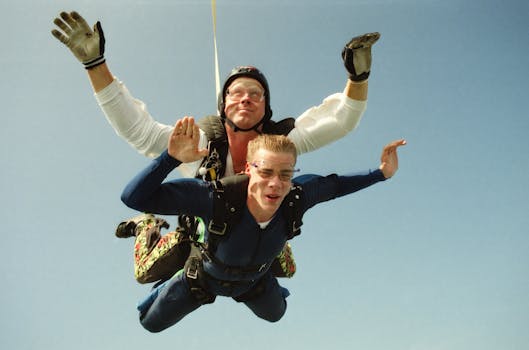
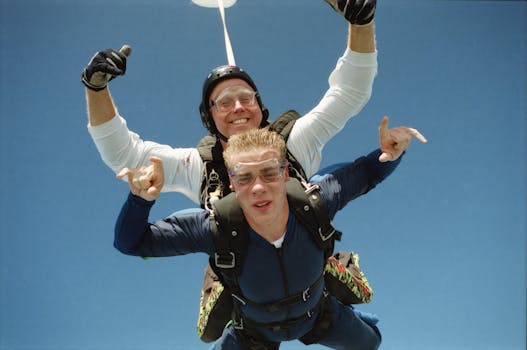
A Skydiving Instructor in the UK is a highly skilled and trained professional responsible for teaching new skydivers and supervising jumps, ensuring safety and an enjoyable experience. Their primary role involves delivering various skydiving courses, from tandem skydives where they are attached to a student, to Accelerated Freefall (AFF) courses where they teach students to jump solo after extensive ground training. This involves not only the physical act of skydiving but also comprehensive ground instruction on equipment, safety procedures, freefall techniques, and canopy control. Instructors must possess excellent communication skills to convey complex information clearly, remain calm under pressure, and have an unwavering commitment to safety protocols. They spend significant time checking equipment, monitoring weather conditions, and providing feedback to students, making every jump a learning opportunity. It's a physically demanding role that requires significant experience, continuous professional development, and often involves working outdoors in various weather conditions, albeit only jumping in suitable ones. To become a Skydiving Instructor in the UK, you typically need thousands of jumps under your belt, hold specific ratings from British Skydiving (the national governing body), such as a Tandem Instructor rating or an AFF Instructor rating, and pass rigorous examinations and practical assessments. The career offers immense satisfaction for those passionate about aviation and extreme sports, allowing them to share their love for skydiving while guiding others through exhilarating and life-changing experiences. It also requires a high level of responsibility, as the safety and confidence of students are paramount. The season for skydiving in the UK is primarily from spring to autumn, so instructors may find work to be seasonal, or they might travel internationally during the UK off-season to continue working.

Skydiving Instructor

Flag Media

Please select a reason for flagging this content.

📊 Statistics

Average Salary Range

Salaries for Skydiving Instructors in the UK typically range from 20,000 to 35,000 pounds per year, depending on experience, qualifications (e.g., tandem, AFF), and the specific drop zone. More experienced instructors with advanced ratings can earn higher, particularly during peak season.

Number of UK Drop Zones

There are approximately 20-30 active British Skydiving (formerly BPA) approved drop zones across the UK. This indicates a relatively niche but consistent demand for qualified instructors, especially during the main skydiving season from spring to autumn.

Typical Working Hours

Skydiving instructors often work irregular hours, especially during peak season (weekends, bank holidays, and good weather days). A full-time instructor might work 40+ hours a week during busy periods, with fewer hours or seasonal breaks during the off-season or poor weather.

🚀 Careers in this path

Flag Media

Please select a reason for flagging this content.

Tandem Skydiving Instructor

Specialise in taking first-time jumpers on tandem dives, managing the entire experience from pre-jump briefing to safe landing. This role requires exceptional interpersonal skills and a focus on safety and customer experience, perfect for someone with a passion for introducing others to the thrill of skydiving.

Flag Media

Please select a reason for flagging this content.

Accelerated Freefall AFF Instructor

Teach students how to skydive solo by guiding them through the Accelerated Freefall (AFF) programme. This involves freefall coaching, parachute deployment instruction, and landing guidance. It's a highly skilled role that develops advanced teaching and mentorship abilities within the sport.

Flag Media

Please select a reason for flagging this content.

Skydiving Equipment Rigger

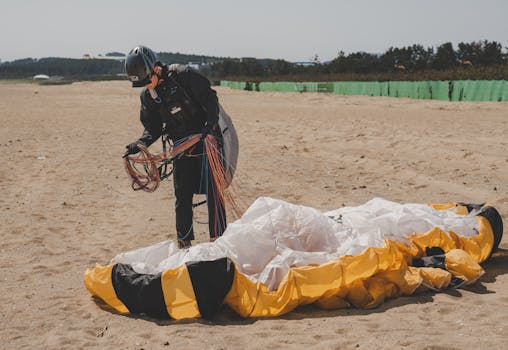
Focus on the critical task of inspecting, maintaining, and packing parachutes and associated skydiving equipment. This role demands meticulous attention to detail, technical knowledge of rigging systems, and adherence to strict safety protocols, ensuring all gear is safe and reliable for jumpers.

Build Your Foundation and Experience

Complete Your First Skydive

The first step is to experience skydiving for yourself. This will typically be a tandem jump, where you are securely harnessed to an experienced instructor.

Before you can even consider instructing, you need to understand the thrill and mechanics of skydiving from a participant's perspective. Most people start with a tandem skydive, which involves being strapped to a highly experienced instructor for your initial descent. This jump will give you a taste of what it's like and is usually the gateway to more advanced training. Look for a reputable skydiving centre (Drop Zone) in the UK that offers tandem experiences.

Achieve Your A-Licence

After your initial jump, you'll need to complete a structured training programme to become a solo skydiver and gain your British Skydiving (BS) A-Licence.

The A-Licence is your foundational qualification for solo skydiving in the UK. This involves a series of progressively challenging jumps, typically starting with an Accelerated Freefall (AFF) course or a Static Line course. You'll learn essential skills such as parachute packing, canopy control, landing techniques, and emergency procedures. You'll also need to pass written and practical examinations. This stage usually requires around 25 successful jumps and takes a significant commitment of time and money.

Accumulate Jump Experience

Once you have your A-Licence, focus on making as many jumps as possible to build your experience, refine your skills, and explore different disciplines.

Becoming a proficient skydiver requires hundreds, if not thousands, of jumps. Use this time to not only increase your jump count but also to become comfortable in various freefall situations, practice different manoeuvres, and gain confidence in different types of aircraft exits. Consider getting involved in organised events, attending coaching sessions, and experimenting with disciplines like formation skydiving, freeflying, or canopy piloting. The more diverse your experience, the more well-rounded an instructor you will become.

Advanced Training and Qualifications

Achieve Your D-Licence

To become an instructor, you'll need to progress through further licences, specifically aiming for your British Skydiving D-Licence.

The D-Licence is a prerequisite for most instructor ratings in the UK and demonstrates a high level of skydiving proficiency and experience. It requires a minimum of 500 jumps and proof of advanced skills, including complex freefall manoeuvres, advanced canopy piloting, and consistent safe landings. This licence signifies you are a highly experienced and responsible skydiver, capable of handling challenging situations and demonstrating expert control in the air.

Complete Instructor Rating Course

Enrol in and successfully complete a recognised Skydiving Instructor Rating course through British Skydiving.

Once you meet the D-Licence and minimum jump requirements (which vary depending on the specific instructor rating you're pursuing, e.g., Tandem Instructor, AFF Instructor, Coach), you can apply for an instructor course. These intensive courses focus on teaching methodology, safety procedures, emergency handling, student psychology, and practical instruction techniques. You'll be assessed on your ability to communicate effectively, demonstrate skills, and maintain a high standard of safety. There are different instructor ratings, so research which one aligns with your career goals.

Gain Instructor Experience and Mentorship

After gaining your instructor rating, work under the supervision of experienced instructors to hone your teaching skills and gain practical experience.

Your initial instructor rating is just the beginning. Most drop zones will require newly qualified instructors to work alongside senior instructors, gaining practical experience and receiving mentorship. This period is crucial for developing your confidence, adapting your teaching style to different students, and learning the operational nuances of a drop zone. Continuously seek feedback, participate in debriefs, and actively look for opportunities to instruct various courses and jumps to solidify your expertise.

Career Development and Specialisation

Specialise in Advanced Instruction

Consider pursuing additional instructor ratings such as Accelerated Freefall (AFF) Instructor, Tandem Instructor, or Canopy Piloting Coach.

As you gain experience, you might want to specialise. An AFF Instructor teaches students how to skydive solo from their very first jump, requiring strong freefall skills and coaching ability. A Tandem Instructor takes first-time jumpers, which demands excellent communication and passenger care. A Canopy Piloting Coach focuses on advanced parachute control. Each specialisation requires additional training, higher jump counts, and specific examinations. Diversifying your qualifications can open up more employment opportunities and allow you to instruct a wider range of students.

Maintain Currency and Professional Development

Regularly attend refresher courses, maintain your jump currency, and stay updated with the latest safety standards and instructional techniques.

The skydiving industry is dynamic, with ongoing developments in equipment, techniques, and safety protocols. British Skydiving requires instructors to maintain currency by making a certain number of jumps and attending regular instructor refresher courses. It's vital to stay current with your licences and ratings. Additionally, proactively seek out professional development opportunities, such as attending skydiving conventions, workshops, or advanced training camps, to continuously refine your skills and knowledge.

Network and Seek Employment

Actively network within the skydiving community and seek employment opportunities at reputable drop zones in the UK or internationally.

Networking is key in the close-knit skydiving world. Attend events, participate in skydiving forums, and get to know other instructors and drop zone operators. Many instructor jobs are found through word-of-mouth. Prepare a professional CV highlighting your instructor ratings, jump count, and any relevant experience. Be prepared to be flexible with location, as instructor positions can be seasonal and competitive. Demonstrate your passion for the sport and commitment to safety in all your interactions.

🎯 View Apprenticeships

Explore relevant apprenticeships that can help you kickstart your career in Skydiving Instructor. Apprenticeships offer hands-on experience and training while earning a wage.

Career Progressions

This page showcases various career options and the pathways to reach them. Each career listed here shares transferable skills and knowledge, making it easier for individuals to transition between them.

Your current career is highlighted to help you see how it fits into the broader landscape of potential career choices. By clicking on any career, you can learn more about it, including the training and education required to pursue it.

Remember, progressing in your career often involves further learning and training. This page provides insights into future career options as well as those that can lead up to your current one.

These career progression decisions are informed by comparing the skills and knowledge needed for different occupations, along with data on how people move between them. Explore the possibilities and discover the exciting journey ahead in your career!

Sample Qualifications

A Skydiving Instructor primarily teaches and supervises individuals participating in an outdoor sport, which aligns perfectly with the responsibilities of an 'Outdoor activities instructor'. This role involves leading and instructing participants in various outdoor recreational pursuits, of which skydiving is a prime example.

How to become

You can get into this job through:

  • a university course
  • a college course
  • an apprenticeship
  • applying directly
  • doing specialist courses approved by national sporting bodies

University

You could do a foundation degree, higher national diploma or degree in a subject like:

  • outdoor adventure education
  • adventure sports science
  • outdoor leadership
  • outdoors learning

Subjects like physical education, coaching and sports development are also useful for getting into this career.

Entry requirements

You'll usually need:

  • 1 or 2 A levels, or equivalent, for a foundation degree or higher national diploma
  • 2 to 3 A levels, or equivalent, for a degree

More Information

College

You could take a college course to learn some of the skills and knowledge needed for this job. This may help when looking for work as a trainee outdoor leader.

Courses include:

  • sport and outdoor activities
  • education and training - outdoor learning
  • sport and active leisure

You'll also need a coaching or instructor qualification approved by the relevant national governing body for the sports or activities you want to teach.

Entry requirements

Entry requirements for these courses vary.

More Information

Apprenticeship

You could apply to do an apprenticeship with an activity centre or outdoors adventure organisation. 

For example:

  • Outdoor Activity Instructor Level 3 Advanced Apprenticeship
  • Outdoor Learning Specialist Level 5 Higher Apprenticeship

These apprenticeships take between 1 and 2 years to complete and combine on-the-job training with study.

Entry requirements

Employers will set their own entry requirements.

More Information

Volunteering

The key to finding a job is to get plenty of work experience. It will give you a better understanding of the role, and the chance to make contacts who may help you to find paid work.

You could:

  • do a Duke of Edinburgh award
  • join sports and activity clubs
  • volunteer at outdoor activities centres
  • work with a mountain rescue team
  • volunteer with charities that provide young people with outdoor learning opportunities

Direct Application

You can apply directly to employers if you've got relevant skills and experience.

Experience can be from:

  • youth work
  • teaching
  • sports coaching
  • physical training instruction, for example, in the armed forces

Other Routes

You could complete qualifications through sports or activity clubs, an accredited outdoor education centre, or a national governing body.

Examples of instructor qualifications include:

You'll usually need at least 12 months' experience in an activity before you take an award. Check with the relevant national governing body for details of their courses and qualifications.

More Information

Career tips

Some jobs are seasonal, for example from February to November. It's important to check what type of contract is being offered when looking at job vacancies.

Professional and industry bodies

You could join the Institute for Outdoor Learning, for professional development training opportunities and to make industry contacts.

Further information

The Institute for Outdoor Learning has more information on how to become an outdoor activities instructor.

Interested in More Career Paths?

Explore other careers or use our AI to discover personalised paths based on your interests.

Stay connected

Join our newsletter to stay up to date on features and releases

Address
Developing Experts Limited
Exchange Street Buildings
35-37 Exchange Street
Norwich
NR2 1DP
UK

Phone
01603 273515

Email
[email protected]

Copyright 2025 Developing Experts, All rights reserved.
