

Creating Career Path...

Finding Further Careers...

Skydiving Instructor

View this career for different education levels:

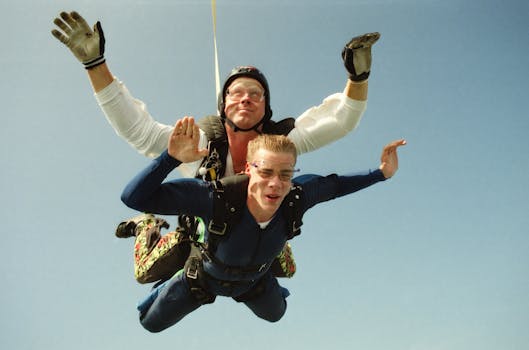
Imagine a job where your office is the sky! A Skydiving Instructor helps people experience the amazing thrill of jumping out of an aeroplane. Your main role is to teach students how to skydive safely, whether it's their very first 'tandem' jump where they are attached to you, or if you're guiding them through a course to learn how to skydive by themselves. You need to be incredibly responsible, calm under pressure, and have excellent communication skills to explain complex safety procedures clearly. This job is all about passion for skydiving, helping others achieve their dreams, and ensuring everyone has a safe and unforgettable experience. Being a Skydiving Instructor isnt just about jumping; it also involves a lot of preparation and ground work. You'll spend time in classrooms teaching students about the equipment, body positions, and emergency procedures. You'll check gear, brief jumpers before they get on the plane, and debrief them afterwards to give feedback. It's a seasonal job for many, with peak activity during warmer months. You'll work at a 'drop zone', which is the airfield where skydiving takes place, and be part of a close-knit team that loves adventure and high-flying fun.

Skydiving Instructor

Flag Media

Please select a reason for flagging this content.

📊 Statistics

Typical Salary Range

A Skydiving Instructor in the UK can expect to earn between 20,000 and 35,000 pounds per year. This can vary depending on experience, location, and whether they are full-time or seasonal.

Number of Drop Zones in UK

There are around 20-30 active skydiving drop zones across the UK where instructors work, offering varied opportunities for employment.

Average Time to Qualify

Becoming a fully qualified Skydiving Instructor often takes several years of dedicated training, experience (typically thousands of jumps), and passing rigorous exams.

🚀 Careers in this path

Flag Media

Please select a reason for flagging this content.

Parachute Packer

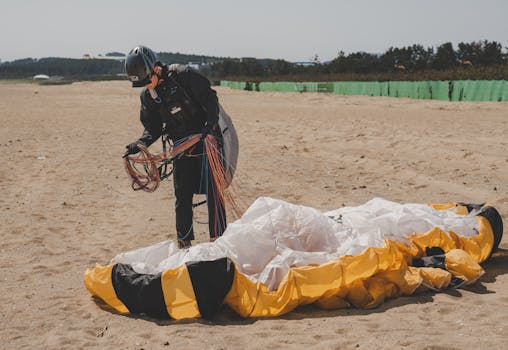
Imagine being responsible for packing parachutes perfectly to keep skydivers safe. You learn all about how parachutes work and the really important safety checks, making sure everything is just right before someone jumps.

Flag Media

Please select a reason for flagging this content.

Drone Pilot for Aerial Photography

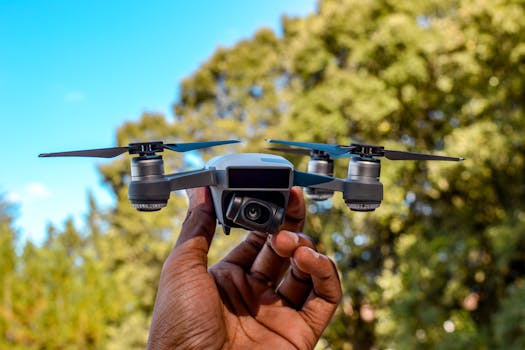
If you love the idea of flying but prefer to keep your feet on the ground, you could pilot drones to film skydivers as they jump. You'd need to be really good at controlling the drone and capturing amazing shots from high up.

Flag Media

Please select a reason for flagging this content.

Skydiving Centre Administrator

This role is all about making sure the skydiving centre runs smoothly. You would help book people in for jumps, answer questions about skydiving, and manage the schedule for the instructors and planes. It's a key job to keep everything organised!

Build Your Skydiving Experience

Try a Tandem Skydive

Your very first step is to experience skydiving for yourself! A tandem skydive means you're securely attached to an experienced instructor, so they handle everything while you enjoy the freefall and parachute ride.

This is a great way to see if you even like skydiving! You'll get to experience the feeling of falling, the views from high up, and the parachute ride without any pressure. Most skydiving centres offer tandem jumps for beginners aged 16 and over (with parental consent for under 18s). It's a thrilling introduction and will help you decide if you want to pursue it further.

Complete Your Solo Training (AFF)

If you love your tandem jump, the next step is to learn to skydive on your own! This usually involves an 'Accelerated Freefall' (AFF) course where you're taught the basics and jump with two instructors holding onto you.

The AFF course typically involves ground school lessons followed by several jumps. In the first few jumps, instructors hold onto you in freefall, teaching you body position, how to deploy your parachute, and how to land. As you progress, instructors will release you in freefall, and you'll become more independent. This course is essential to get your 'A' licence, which allows you to jump unsupervised.

Log Many Jumps and Get Your Licences

To become an instructor, you need to be a very experienced skydiver. This means doing lots and lots of jumps and earning higher-level licences.

After your 'A' licence (which usually requires 25 jumps), you'll work towards your 'B' (50 jumps), 'C' (200 jumps), and eventually 'D' licence (500 jumps). Each licence shows you have more experience and skills. You'll also learn about different types of jumps, parachute packing, and emergency procedures. Many instructors have hundreds, or even thousands, of jumps under their belt before they even think about teaching.

Develop Teaching & Safety Skills

Master Advanced Skydiving Techniques

Before you can teach, you need to be an expert yourself. This means learning and perfecting more complex skydiving manoeuvres, like relative work (flying close to others in freefall) or canopy piloting.

As you gain experience, you'll naturally develop a deeper understanding of aerodynamics, meteorology (weather), and equipment. Participating in organised events, training camps, and even competitions can help you refine your skills. The better you are at skydiving, the more confident and capable you'll be as an instructor.

Gain Packing & Equipment Expertise

A huge part of skydiving safety is understanding the equipment. You'll need to learn how to pack parachutes perfectly and know all about the gear.

Many experienced skydivers also get qualified as a 'parachute rigger' which means they can inspect and repair parachuting equipment. Even if you don't become a full rigger, a deep understanding of parachute systems, harnesses, altimeters, and automatic activation devices (AADs) is crucial. You'll often pack parachutes for yourself and others, ensuring they are packed correctly for safe deployment.

Learn First Aid & Emergency Procedures

Safety is the number one priority. You'll need to be fully trained in first aid and understand exactly what to do in an emergency, both on the ground and in the air.

Being a skydiving instructor means being prepared for anything. This includes knowing how to handle minor injuries, what to do if a student panics, or if there's an equipment malfunction. You'll likely need to complete specific first aid courses and undergo regular training on emergency protocols unique to skydiving, often as part of your instructor qualification.

Become a Qualified Instructor

Apply for Instructor Training

Once you have enough jumps and experience (often 500+ jumps and a 'D' licence), you can apply to do an instructor course through organisations like the British Skydiving (formerly BPA).

The specific requirements can vary, but generally, you'll need a high level of personal skydiving skill, excellent communication abilities, and a proven commitment to safety. You'll undergo an assessment to ensure you're ready for the intensive training that follows. This is a big commitment and requires dedication.

Complete Instructor Ratings

There are different types of skydiving instructors. You'll choose a path, such as Tandem Instructor (teaching tandem jumps), AFF Instructor (teaching solo students), or Category System Instructor.

Each instructor rating involves rigorous training, written exams, and practical assessments. You'll learn teaching methodologies, how to deliver briefings, debrief students, and manage various scenarios in the air and on the ground. For example, a Tandem Instructor rating focuses on safely conducting tandem jumps, while an AFF Instructor rating trains you to guide students through their first solo freefalls. You might start with one rating and add others later.

Start Teaching and Gain Experience

After successfully completing your instructor training and assessments, you can start working at a skydiving centre, teaching new students under the supervision of senior instructors.

Your first few years as an instructor will be all about putting your training into practice and gaining valuable real-world experience. You'll refine your teaching style, learn to adapt to different students, and become even more confident in your role. It's a continuous learning process, and you'll likely receive mentorship from more experienced instructors as you grow in the role. Remember, safety always comes first!

🎯 View Apprenticeships

Explore relevant apprenticeships that can help you kickstart your career in Skydiving Instructor. Apprenticeships offer hands-on experience and training while earning a wage.

Career Progressions

This page showcases various career options and the pathways to reach them. Each career listed here shares transferable skills and knowledge, making it easier for individuals to transition between them.

Your current career is highlighted to help you see how it fits into the broader landscape of potential career choices. By clicking on any career, you can learn more about it, including the training and education required to pursue it.

Remember, progressing in your career often involves further learning and training. This page provides insights into future career options as well as those that can lead up to your current one.

These career progression decisions are informed by comparing the skills and knowledge needed for different occupations, along with data on how people move between them. Explore the possibilities and discover the exciting journey ahead in your career!

Sample Qualifications

A Skydiving Instructor primarily works outdoors, teaching and supervising participants in a specialised adventurous activity, which aligns perfectly with the responsibilities of an 'Outdoor activities instructor'.

How to become

You can get into this job through:

  • a university course
  • a college course
  • an apprenticeship
  • applying directly
  • doing specialist courses approved by national sporting bodies

University

You could do a foundation degree, higher national diploma or degree in a subject like:

  • outdoor adventure education
  • adventure sports science
  • outdoor leadership
  • outdoors learning

Subjects like physical education, coaching and sports development are also useful for getting into this career.

Entry requirements

You'll usually need:

  • 1 or 2 A levels, or equivalent, for a foundation degree or higher national diploma
  • 2 to 3 A levels, or equivalent, for a degree

More Information

College

You could take a college course to learn some of the skills and knowledge needed for this job. This may help when looking for work as a trainee outdoor leader.

Courses include:

  • sport and outdoor activities
  • education and training - outdoor learning
  • sport and active leisure

You'll also need a coaching or instructor qualification approved by the relevant national governing body for the sports or activities you want to teach.

Entry requirements

Entry requirements for these courses vary.

More Information

Apprenticeship

You could apply to do an apprenticeship with an activity centre or outdoors adventure organisation. 

For example:

  • Outdoor Activity Instructor Level 3 Advanced Apprenticeship
  • Outdoor Learning Specialist Level 5 Higher Apprenticeship

These apprenticeships take between 1 and 2 years to complete and combine on-the-job training with study.

Entry requirements

Employers will set their own entry requirements.

More Information

Volunteering

The key to finding a job is to get plenty of work experience. It will give you a better understanding of the role, and the chance to make contacts who may help you to find paid work.

You could:

  • do a Duke of Edinburgh award
  • join sports and activity clubs
  • volunteer at outdoor activities centres
  • work with a mountain rescue team
  • volunteer with charities that provide young people with outdoor learning opportunities

Direct Application

You can apply directly to employers if you've got relevant skills and experience.

Experience can be from:

  • youth work
  • teaching
  • sports coaching
  • physical training instruction, for example, in the armed forces

Other Routes

You could complete qualifications through sports or activity clubs, an accredited outdoor education centre, or a national governing body.

Examples of instructor qualifications include:

You'll usually need at least 12 months' experience in an activity before you take an award. Check with the relevant national governing body for details of their courses and qualifications.

More Information

Career tips

Some jobs are seasonal, for example from February to November. It's important to check what type of contract is being offered when looking at job vacancies.

Professional and industry bodies

You could join the Institute for Outdoor Learning, for professional development training opportunities and to make industry contacts.

Further information

The Institute for Outdoor Learning has more information on how to become an outdoor activities instructor.

Interested in More Career Paths?

Explore other careers or use our AI to discover personalised paths based on your interests.

Stay connected

Join our newsletter to stay up to date on features and releases

Address
Developing Experts Limited
Exchange Street Buildings
35-37 Exchange Street
Norwich
NR2 1DP
UK

Phone
01603 273515

Email
[email protected]

Copyright 2025 Developing Experts, All rights reserved.
