


Creating Career Path...

Finding Further Careers...

Skydiving Instructor

View this career for different education levels:

Imagine a job where you get to jump out of planes all the time and help other people experience the amazing feeling of flying through the air! That is what a Skydiving Instructor does. They are very brave and skilled people who teach others how to skydive safely. They make sure everyone knows what to do before they jump, explain all the safety rules, and sometimes even jump with people who are doing it for the first time, like a tandem skydive. It is their job to make sure everyone has fun but stays super safe while up in the sky. A Skydiving Instructor needs to be calm, friendly, and very good at explaining things. They spend a lot of time outdoors at airfields, working with parachutes and aeroplanes. It is a job that needs lots of training and you have to be very fit. They are always checking equipment and making sure everything is perfect for each jump. It is a very exciting career for someone who loves adventure and helping others try new, thrilling things.

Career Path

📊 Statistics

Salary Range

A Skydiving Instructor in the UK can earn between 20,000 and 40,000 pounds a year. This can change depending on how many jumps they do and where they work.

Number of Positions

There are not a huge number of Skydiving Instructor jobs in the UK, maybe around 100 to 200, as it is a special job and needs lots of training and experience.

Experience to Qualify

To become a qualified Skydiving Instructor in the UK, you usually need to have done hundreds, or even thousands, of skydives yourself and passed special training courses.

🚀 Careers in this path

Flag Media

Please select a reason for flagging this content.

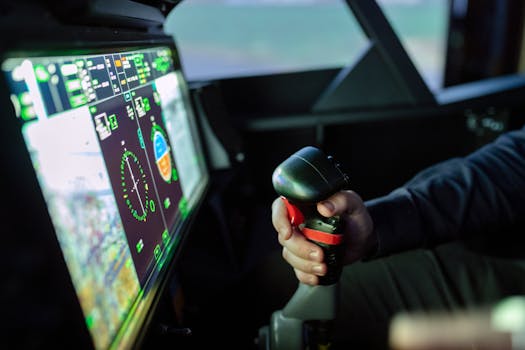
Flying an Aeroplane

Imagine being the person who flies an aeroplane high in the sky, taking people on amazing journeys to different places. You would learn how to use all the controls and make sure everyone is safe and happy on board.

Flag Media

Please select a reason for flagging this content.

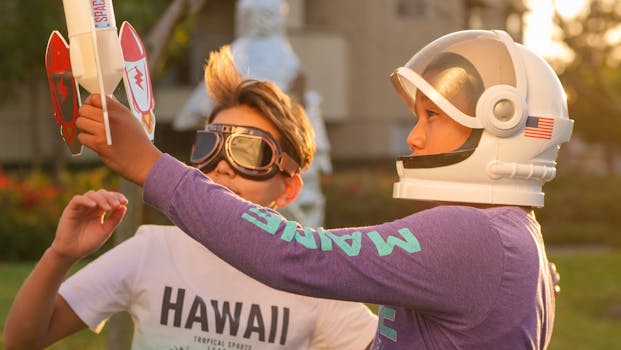
Astronaut Explorer

Being an astronaut means you get to travel to space in a rocket! You would explore the moon, visit the International Space Station, and maybe even discover new planets. It's a very exciting job for someone who loves adventures high up.

Flag Media

Please select a reason for flagging this content.

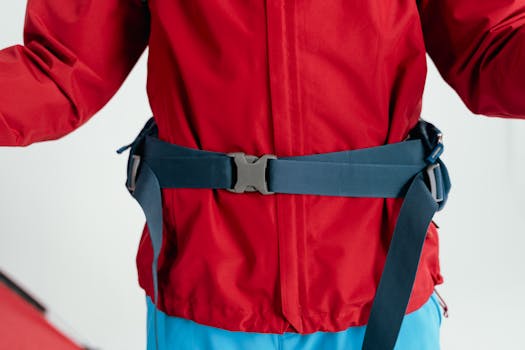
Trampoline Park Manager

If you love jumping and helping others have fun, you could be a manager at a super cool trampoline park. You'd make sure all the trampolines are safe, teach people how to bounce safely, and plan fun games for everyone to play.

Learning to Skydive Yourself

Try a Tandem Skydive

Your very first step is to experience skydiving for yourself! You'll be attached to a highly experienced instructor who does all the work, so you can just enjoy the amazing feeling of flying.

This is often called a 'tandem skydive'. It's the safest way to try skydiving as a beginner because you're connected to a professional. They handle opening the parachute and guiding you down, while you get to enjoy the incredible views and the feeling of freefall. You'll jump from a plane at a high altitude, usually around 10,000 to 15,000 feet, and freefall for about a minute before the parachute opens. It's a fantastic introduction to the sport and helps you see if you truly love it!

Get Your First Skydiving Licence

Once you've tried a tandem jump and loved it, the next step is to learn how to skydive by yourself and get your 'A' Licence. This means completing lots of training and jumps.

To get your 'A' Licence, you'll need to go through a training programme, usually called Accelerated Freefall (AFF) or Static Line. AFF involves jumping with two instructors who hold onto you, teaching you to control your body in the air. Static line means your parachute opens automatically as you leave the plane. You'll complete many jumps, learning different skills like how to exit the plane, freefall safely, deploy your parachute, and land accurately. Each jump builds your skills and confidence, leading to your first skydiving licence!

Gain Lots of Experience

After getting your first licence, you need to do many, many more jumps to become really good and experienced. This is like practicing a sport to become a champion!

To become an instructor, you need to show you are very experienced and competent. This means doing hundreds of jumps and becoming an expert at various skydiving disciplines. You'll learn to jump with others, perform aerial manoeuvres, and handle different situations safely. Joining a skydiving club and participating in organised jumps helps you gain experience, learn from others, and improve your skills. The more jumps you have, the better your understanding of skydiving, which is crucial for teaching others.

Becoming an Instructor

Achieve Higher Licences

As you get more experienced, you'll work towards more advanced skydiving licences, like your 'C' and 'D' licences, which show you're a super experienced jumper.

The British Skydiving (BS) organisation has different licence levels. After your 'A' Licence, you'll progress to 'B', 'C', and then 'D' licences. Each licence requires a certain number of jumps and demonstrated skills, proving your ability to jump safely and handle more complex scenarios. For example, a 'C' Licence might require 200 jumps and specific canopy piloting skills, while a 'D' Licence usually requires 500 jumps and advanced freefall skills. These higher licences are a must-have before you can even think about becoming an instructor.

Complete Instructor Courses

Once you're super experienced, you'll need to go on special courses to learn how to teach others safely. These courses teach you how to be a great teacher and keep everyone safe.

Becoming an instructor involves specialised training courses run by British Skydiving. There are different instructor ratings, such as Category System Instructor (CSI) for teaching solo students, and Tandem Instructor (TI) for taking tandem passengers. These courses cover teaching techniques, safety procedures, emergency management, and how to effectively communicate with students. You'll learn how to plan lessons, assess students' progress, and provide constructive feedback, all while maintaining the highest safety standards in a high-risk environment. Passing these courses involves both written exams and practical assessments.

Start Teaching and Mentoring

After all your training, you can start helping new skydiving students! You'll guide them through their first jumps and teach them everything you know.

Once qualified, you'll typically start by assisting other experienced instructors and gradually take on more responsibility. You'll be responsible for pre-jump briefings, ensuring students are correctly geared up, supervising their jumps, and providing debriefs afterwards. Patience, clear communication, and a strong commitment to safety are key. You'll help students overcome their fears, celebrate their successes, and guide them through their journey to becoming licensed skydivers themselves. This role is not just about teaching skills but also about building confidence and fostering a love for the sport.

Developing Your Career

Gain More Specialised Ratings

You can learn to teach even more special types of skydiving, like how to fly in groups or how to land super precisely.

Beyond basic instructor ratings, you can pursue advanced qualifications. For example, you could become a Freefall Coach to teach advanced freefall skills, a Canopy Coach to teach precise parachute flying and landing, or even an Examiner who helps train future instructors. Each specialisation requires additional training, jumps, and experience in that specific area. This allows you to expand your teaching capabilities and work with a wider range of students, from beginners to advanced skydivers looking to hone specific skills.

Work at Different Dropzones

You can work at different skydiving centres (called 'dropzones') around the UK or even the world, meeting new people and seeing new places.

Skydiving instructors are in demand at dropzones globally. Working at various locations exposes you to different environments, equipment, and teaching methods. It's a great way to meet a diverse community of skydivers and instructors, learn new tricks, and broaden your experience. Some instructors choose to work seasonally, following good weather around the world, making it a truly adventurous career path. Each dropzone has its unique vibe and operational procedures, offering new learning opportunities.

Become a Mentor or Chief Instructor

With loads of experience, you could become a chief instructor, helping to run the skydiving centre and training other instructors. You'd be a real leader!

After many years of experience and demonstrating exceptional leadership and safety skills, you might advance to roles like Chief Instructor or Dropzone Manager. A Chief Instructor is responsible for overseeing all student training programmes, ensuring safety compliance, mentoring other instructors, and maintaining high standards across the dropzone. This role involves more administrative duties, staff management, and strategic planning, in addition to instructing. It's a leadership position where you shape the future of new skydivers and ensure the overall success and safety of the skydiving operation.

🎯 View Apprenticeships

Explore relevant apprenticeships that can help you kickstart your career in Skydiving Instructor. Apprenticeships offer hands-on experience and training while earning a wage.

Career Progressions

This page showcases various career options and the pathways to reach them. Each career listed here shares transferable skills and knowledge, making it easier for individuals to transition between them.

Your current career is highlighted to help you see how it fits into the broader landscape of potential career choices. By clicking on any career, you can learn more about it, including the training and education required to pursue it.

Remember, progressing in your career often involves further learning and training. This page provides insights into future career options as well as those that can lead up to your current one.

These career progression decisions are informed by comparing the skills and knowledge needed for different occupations, along with data on how people move between them. Explore the possibilities and discover the exciting journey ahead in your career!

Sample Qualifications

A Skydiving Instructor leads and supervises participants in an outdoor recreational activity, which aligns perfectly with the duties and environment of an Outdoor Activities Instructor.

How to become

You can get into this job through:

  • a university course
  • a college course
  • an apprenticeship
  • applying directly
  • doing specialist courses approved by national sporting bodies

University

You could do a foundation degree, higher national diploma or degree in a subject like:

  • outdoor adventure education
  • adventure sports science
  • outdoor leadership
  • outdoors learning

Subjects like physical education, coaching and sports development are also useful for getting into this career.

Entry requirements

You'll usually need:

  • 1 or 2 A levels, or equivalent, for a foundation degree or higher national diploma
  • 2 to 3 A levels, or equivalent, for a degree

More Information

College

You could take a college course to learn some of the skills and knowledge needed for this job. This may help when looking for work as a trainee outdoor leader.

Courses include:

  • sport and outdoor activities
  • education and training - outdoor learning
  • sport and active leisure

You'll also need a coaching or instructor qualification approved by the relevant national governing body for the sports or activities you want to teach.

Entry requirements

Entry requirements for these courses vary.

More Information

Apprenticeship

You could apply to do an apprenticeship with an activity centre or outdoors adventure organisation. 

For example:

  • Outdoor Activity Instructor Level 3 Advanced Apprenticeship
  • Outdoor Learning Specialist Level 5 Higher Apprenticeship

These apprenticeships take between 1 and 2 years to complete and combine on-the-job training with study.

Entry requirements

Employers will set their own entry requirements.

More Information

Volunteering

The key to finding a job is to get plenty of work experience. It will give you a better understanding of the role, and the chance to make contacts who may help you to find paid work.

You could:

  • do a Duke of Edinburgh award
  • join sports and activity clubs
  • volunteer at outdoor activities centres
  • work with a mountain rescue team
  • volunteer with charities that provide young people with outdoor learning opportunities

Direct Application

You can apply directly to employers if you've got relevant skills and experience.

Experience can be from:

  • youth work
  • teaching
  • sports coaching
  • physical training instruction, for example, in the armed forces

Other Routes

You could complete qualifications through sports or activity clubs, an accredited outdoor education centre, or a national governing body.

Examples of instructor qualifications include:

You'll usually need at least 12 months' experience in an activity before you take an award. Check with the relevant national governing body for details of their courses and qualifications.

More Information

Career tips

Some jobs are seasonal, for example from February to November. It's important to check what type of contract is being offered when looking at job vacancies.

Professional and industry bodies

You could join the Institute for Outdoor Learning, for professional development training opportunities and to make industry contacts.

Further information

The Institute for Outdoor Learning has more information on how to become an outdoor activities instructor.

Interested in More Career Paths?

Explore other careers or use our AI to discover personalised paths based on your interests.

Stay connected

Join our newsletter to stay up to date on features and releases

Address
Developing Experts Limited
Exchange Street Buildings
35-37 Exchange Street
Norwich
NR2 1DP
UK

Phone
01603 273515

Email
[email protected]

Copyright 2025 Developing Experts, All rights reserved.
