



Creating Career Path...

Finding Further Careers...

Crane Operator

View this career for different education levels:

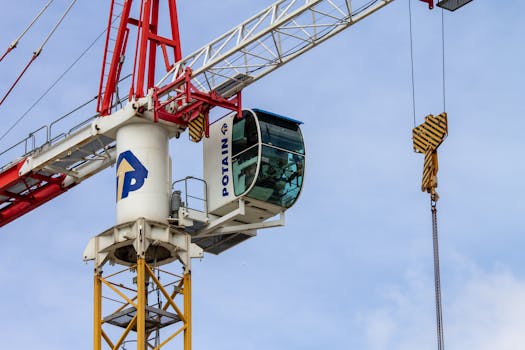
As a Crane Operator, you'll be at the controls of powerful machinery, responsible for safely lifting, moving, and positioning heavy materials on construction sites, ports, industrial facilities, and other large-scale projects across the UK. This isn't just about pressing buttons; it requires a high degree of skill, precision, and an unwavering commitment to safety. You'll be working with various types of cranes, from mobile telescopic cranes to large tower cranes that dominate city skylines. Your daily tasks will involve pre-start checks of the equipment, interpreting lifting plans and signals from banksmen or slinger signallers, and executing lifts with meticulous care to prevent accidents and damage. The role demands excellent hand-eye coordination, a good understanding of load capacities, ground conditions, and environmental factors like wind. To become a certified Crane Operator in the UK, you'll typically need to undertake specific training and gain qualifications such as the Construction Plant Competence Scheme CPCS card or the NPORS National Plant Operators Registration Scheme. These certifications cover the safe operation of different crane types and are essential for working on most sites. It's a career that offers a unique perspective from above the action and is vital to the progress of many major developments. You'll often work as part of a larger team, coordinating closely with other ground staff to ensure efficient and secure operations.

Crane Operator

Flag Media

Please select a reason for flagging this content.

📊 Statistics

Average Salary Range

In the UK, a Crane Operator can expect to earn an average salary ranging from 25,000 to 45,000 per year. Experienced operators with specialised licenses or working on large, complex projects can command higher salaries, potentially exceeding 50,000 annually.

Job Outlook and Demand

The construction sector in the UK continues to see significant investment, particularly in infrastructure and large-scale building projects. This sustained activity means there is a consistent demand for skilled Crane Operators across the country, with opportunities available from smaller local sites to major national developments.

Working Hours

Working hours for Crane Operators typically align with construction site schedules, which can often be 40-50 hours per week. This may include early starts, some weekend work, and occasional overtime, especially when project deadlines are tight or when working on continuous operations like major infrastructure builds.

🚀 Careers in this path

Flag Media

Please select a reason for flagging this content.

Tower Crane Operator

Specialises in operating tower cranes typically found on large construction sites, lifting and moving heavy materials to specific locations. Requires advanced training and often involves working at significant heights.

Flag Media

Please select a reason for flagging this content.

Mobile Crane Operator

Operates mobile cranes, which are mounted on wheeled or tracked chassis and can be driven to various locations. Responsibilities include lifting and positioning loads across different sites, often involving more varied environments.

Flag Media

Please select a reason for flagging this content.

Slinger Signaller

Works as part of a lifting team, responsible for safely attaching and detaching loads to and from lifting equipment, and for guiding crane operators using hand signals or radio communication. A crucial role in ensuring safety and efficiency during lifting operations.

Foundation & Training

Gain Relevant Experience

Start by gaining experience in a related construction or industrial role, which can give you a valuable foundation in site safety, heavy machinery, and teamwork.

Many aspiring crane operators begin their journey by working as a 'slinger/signaller' or 'rigger' on a construction site. This role involves directing crane movements, preparing loads for lifting, and ensuring safety on the ground. It's an excellent way to learn about the different types of lifts, communication protocols, and the overall dynamics of a busy site, providing essential groundwork before you even touch the controls of a crane. Alternatively, general labouring or plant operating roles can also offer a foot in the door.

Obtain Essential Qualifications

Enrol in a recognised training course to acquire the necessary certifications and licences required to operate cranes in the UK.

In the UK, the most widely recognised and often mandatory qualification for crane operators is the CPCS (Construction Plant Competence Scheme) card. You'll typically start with the 'Red Trainee Card', which requires completing an NVQ (National Vocational Qualification) alongside practical training and theory tests. Specific categories of cranes (e.g., mobile crane, tower crane, crawler crane) will require separate endorsements on your CPCS card. Research local training providers accredited by CPCS to find the right course for you, as practical training is paramount.

Complete Vocational Training

Undertake practical and theoretical training covering crane operation, maintenance, rigging, and health and safety regulations.

A comprehensive vocational training programme will not only prepare you for the CPCS tests but also equip you with the practical skills and theoretical knowledge essential for safe and efficient crane operation. This typically includes hands-on training with various crane types, understanding load charts, calculating lifting capacities, interpreting site plans, and mastering communication signals with slingers. You'll also learn about routine maintenance checks, emergency procedures, and the specific health and safety legislation applicable to lifting operations in the UK. This detailed training is crucial for developing the precision and judgement needed in this high-responsibility role.

Career Development

Secure Entry-Level Position

Actively apply for entry-level crane operator or trainee positions to start building your professional experience in the field.

After obtaining your initial CPCS Red Trainee Card and completing your vocational training, your next step is to find a company willing to take you on. Many construction firms, crane hire companies, and industrial plants look for new talent. Focus on roles that allow you to work under supervision, continuing to learn from experienced operators. Networking at training centres or industry events can also be beneficial. Emphasise your qualifications, commitment to safety, and eagerness to learn during interviews, as employers value reliability and a good attitude.

Progress to Competent Operator Status

Work towards completing your NVQ and upgrading your CPCS Red Trainee Card to the Blue Competent Operator Card.

The CPCS Red Card is valid for two years, during which time you are expected to gain on-site experience and complete the relevant NVQ (National Vocational Qualification) for your chosen crane category. The NVQ assesses your practical competence and knowledge in a real working environment. Once the NVQ is completed and you've passed the CPCS theory and practical tests, you can apply for the CPCS Blue Competent Operator Card, which is valid for five years and signifies you are a fully qualified and experienced operator. This upgrade is a significant milestone in your career.

Continuous Professional Development

Stay updated with industry best practices, new technologies, and refresh your safety knowledge through ongoing training.

The construction and lifting industries are constantly evolving, with new crane types, lifting technologies, and safety regulations being introduced. To remain a highly skilled and sought-after crane operator, it's essential to engage in continuous professional development. This could involve taking advanced training courses for different crane categories (e.g., crawler cranes, tower cranes), attending workshops on new rigging techniques, or refreshing your knowledge of health and safety legislation. Maintaining your CPCS card requires periodic renewals, which often involve demonstrating continued competence and updating your skills. Proactive learning ensures your skills remain current and your career progresses.

Specialisation & Advancement

Specialise in Crane Types

Gain additional endorsements on your CPCS card for various types of cranes to broaden your skill set and job opportunities.

While you might start with a mobile crane, the world of crane operation is diverse. Consider specialising in specific types such as tower cranes (common in high-rise construction), crawler cranes (for heavy lifts and rough terrain), overhead cranes (in factories), or even marine cranes (for offshore work). Each type requires specific training and a separate CPCS endorsement. This specialisation can open doors to different projects and often leads to higher earning potential as you become a more versatile and experienced operator in niche areas.

Become a Lifting Supervisor or Appointed Person

Progress into supervisory roles, taking on greater responsibility for planning and overseeing lifting operations.

With significant experience and a deep understanding of lifting operations, you could aim for roles like 'Lifting Supervisor' or 'Appointed Person'. A Lifting Supervisor is responsible for directly supervising lifting operations on site, ensuring they are carried out safely and efficiently. An 'Appointed Person' (often requiring a separate CPCS A61 'Appointed Person' qualification) is responsible for the overall planning, risk assessment, and safe system of work for lifting operations, including selecting the right crane and slinging methods. These roles require strong leadership, meticulous planning, and excellent communication skills, and represent a significant career progression for an experienced operator.

Explore Training or Consultancy

Consider becoming a crane operation instructor or consultant, sharing your expertise with the next generation of operators or advising on complex projects.

Experienced crane operators with an excellent safety record and comprehensive knowledge can transition into teaching roles at accredited training centres. Here, you would be responsible for delivering both theoretical and practical training to new and aspiring operators, helping them achieve their CPCS qualifications. Alternatively, you could move into consultancy, offering expert advice on lifting plans, site safety, and equipment selection for challenging or high-risk projects. These roles leverage years of hands-on experience and contribute significantly to industry safety and standards, providing a different dimension to your career.

🎬 Useful Videos

🎯 View Apprenticeships

Explore relevant apprenticeships that can help you kickstart your career in Crane Operator. Apprenticeships offer hands-on experience and training while earning a wage.

Career Progressions

This page showcases various career options and the pathways to reach them. Each career listed here shares transferable skills and knowledge, making it easier for individuals to transition between them.

Your current career is highlighted to help you see how it fits into the broader landscape of potential career choices. By clicking on any career, you can learn more about it, including the training and education required to pursue it.

Remember, progressing in your career often involves further learning and training. This page provides insights into future career options as well as those that can lead up to your current one.

These career progression decisions are informed by comparing the skills and knowledge needed for different occupations, along with data on how people move between them. Explore the possibilities and discover the exciting journey ahead in your career!

Sample Qualifications

A Crane Operator's primary duty is to operate cranes, which directly aligns with the job title 'Crane driver'. The terms are synonymous and refer to the same skilled occupation involving the manipulation of heavy lifting equipment.

How to become

You can get into this job through:

  • a college course
  • an apprenticeship
  • working towards this role

College

You could do a college course like construction plant operations.

This would teach you how to operate different types of plant machinery. You could then apply to construction companies for a trainee crane driver position.

Entry requirements

Entry requirements for these courses vary.

More Information

Apprenticeship

You could apply to do a Lifting Technician Level 2 Intermediate Apprenticeship to become a crane driver.

You may do a Port Operative Level 2 Intermediate Apprenticeship, if you're going to work in a port. This would train you on how to operate gantry cranes and lifting machinery in a cargo terminal.

These can take between 1 and 2 years to complete. They combine on-the-job training with off-site study.

Entry requirements

You'll usually need:

  • some GCSEs, usually including English and maths, or equivalent, for an intermediate apprenticeship

More Information

Work

You could start as a construction groundworker, labourer or plant operator.

Once you've got experience of using heavy plant machinery like excavators, you could do crane driver training.

You could also work as a slinger-signaller, the person who guides lifting operations from the ground, then move into crane driving after completing extra training.

More Information

Registration

Career tips

Safety on site is extremely important. Being able to communicate clearly with your slinger-signaller team on the ground is essential.

It's also important to have the confidence to ask questions if any instructions are unclear, especially when starting out.

Further information

You can find more details about how to become a crane driver from Go Construct.

Interested in More Career Paths?

Explore other careers or use our AI to discover personalised paths based on your interests.

Stay connected

Join our newsletter to stay up to date on features and releases

Address
Developing Experts Limited
Exchange Street Buildings
35-37 Exchange Street
Norwich
NR2 1DP
UK

Phone
01603 273515

Email
[email protected]

Copyright 2025 Developing Experts, All rights reserved.
