




Creating Career Path...

Finding Further Careers...

Crane Operator

View this career for different education levels:

Imagine being in control of a giant mechanical arm that can lift huge, heavy objects high into the air! That is what a Crane Operator does. These skilled professionals work on construction sites, in shipyards, and sometimes even at big events, using powerful cranes to move materials like steel beams, concrete slabs, or even parts of wind turbines from one place to another. It is a really important job because they help build all sorts of things, from new schools and hospitals to bridges and towering skyscrapers. Being a Crane Operator is not just about pressing buttons; it requires a lot of concentration, precision, and a strong understanding of safety. You have to be good at following instructions, sometimes communicated by radio, and have excellent hand-eye coordination to make sure heavy loads are lifted and placed exactly where they need to go without any accidents. Training involves learning how to operate different types of cranes, understanding their controls, and knowing all the safety rules to keep everyone on the site safe. It is a high-responsibility role, but it is also incredibly rewarding to see giant structures take shape because of your work.

Crane Operator

Flag Media

Please select a reason for flagging this content.

📊 Statistics

Salary Range

In the UK, a trainee Crane Operator might start on around 20,000 to 25,000 pounds a year. Experienced operators can earn between 30,000 and 45,000 pounds, and highly skilled operators on large or complex projects could earn more, sometimes up to 50,000 pounds or even higher.

Working Hours

Crane Operators usually work full-time, which often means around 40 hours a week. However, project demands can sometimes mean working longer hours, including evenings or weekends, especially when trying to meet important deadlines on a construction site.

Job Outlook

The construction industry in the UK is always developing, which means there is a steady demand for skilled Crane Operators. With new buildings and infrastructure projects constantly being planned, this career offers good job security for those with the right qualifications and experience.

🚀 Careers in this path

Flag Media

Please select a reason for flagging this content.

Tower Crane Operator

Imagine being high up in a tall building, controlling a super-strong crane that lifts huge pieces of metal and concrete to build skyscrapers. It's a bit like playing a giant construction game from above!

Flag Media

Please select a reason for flagging this content.

Mobile Crane Operator

This is someone who drives a crane on wheels to different places, like building sites or even fairgrounds. They might help put up a new bridge or lift really heavy equipment, making sure everything is placed just right.

Flag Media

Please select a reason for flagging this content.

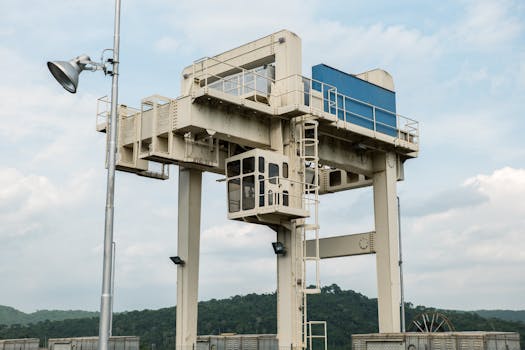
Gantry Crane Operator

Picture being in a big warehouse or a shipping port. A gantry crane is like a giant robot that moves heavy containers or materials across a wide area, often in a straight line, to load and unload ships or lorries.

Build a Strong Foundation (School Years)

Focus on key school subjects

Pay attention in your maths, science, and design & technology classes.

Maths will help you understand measurements, weights, and distances, which are super important when moving heavy objects safely. Science, especially physics, will teach you about forces, balance, and how machines work. Design & technology can give you practical skills and an understanding of how things are built and operated.

Get practical experience

Look for opportunities to learn about tools and machinery, even small ones.

You could join clubs at school that involve building things, or help out with practical tasks at home. Understanding how tools work and how to handle them carefully is a great start. This builds your 'hands-on' skills and shows you like practical work.

Stay fit and healthy

Being a crane operator requires good physical health and concentration.

You'll need good eyesight, hearing, and physical coordination. Staying active and eating healthily will help you develop these. It's also important to be able to concentrate for long periods, so practicing focus in your schoolwork or hobbies is beneficial.

Gain Knowledge and Skills (After School)

Consider an Apprenticeship

An apprenticeship lets you learn on the job while also studying for qualifications.

Many construction companies offer apprenticeships in plant operations, which can include learning about cranes. This is a brilliant way to get paid while you learn from experienced professionals and gain valuable, real-world experience. You'll work towards a recognised qualification too.

Get relevant qualifications

Look into qualifications like NVQs in Plant Operations.

You might need to complete a Level 2 or 3 NVQ (National Vocational Qualification) in Plant Operations. These qualifications show you have the practical skills and knowledge needed to operate machinery safely and efficiently. You can often get these through an apprenticeship or college course.

Obtain your CPCS card

The CPCS (Construction Plant Competence Scheme) card is essential for crane operators in the UK.

To get a CPCS card, you'll need to pass a health, safety, and environment test, and then demonstrate your competence in operating specific types of cranes. This card proves you are trained and qualified to operate machinery safely on construction sites. There are different categories for different types of cranes.

Start Your Career (Becoming a Pro)

Start as a Trainee or Assistant

Begin by assisting experienced crane operators to learn the ropes.

Even with your qualifications, starting in a junior role like a 'slinger/signaller' or 'crane assistant' is a great idea. You'll learn how to direct crane movements, ensure loads are safely attached, and communicate effectively with the operator. This hands-on experience is vital before you take control of a crane yourself.

Specialise in a type of crane

There are different types of cranes, and you can choose to specialise in one or more.

You could become an expert in operating tower cranes for tall buildings, mobile cranes that move around sites, or even gantry cranes used in factories. Each type has its own challenges and skills. Learning more than one type can make you more versatile and in-demand.

Commit to ongoing safety and training

Safety is paramount, and continuous learning is key in this role.

Even after you're qualified, you'll need to refresh your CPCS card regularly and keep up-to-date with the latest safety regulations and operating procedures. Attending additional training courses for new crane technologies or advanced lifting techniques will help you stay at the top of your game and ensure a safe working environment for everyone.

🎬 Useful Videos

🎯 View Apprenticeships

Explore relevant apprenticeships that can help you kickstart your career in Crane Operator. Apprenticeships offer hands-on experience and training while earning a wage.

Career Progressions

This page showcases various career options and the pathways to reach them. Each career listed here shares transferable skills and knowledge, making it easier for individuals to transition between them.

Your current career is highlighted to help you see how it fits into the broader landscape of potential career choices. By clicking on any career, you can learn more about it, including the training and education required to pursue it.

Remember, progressing in your career often involves further learning and training. This page provides insights into future career options as well as those that can lead up to your current one.

These career progression decisions are informed by comparing the skills and knowledge needed for different occupations, along with data on how people move between them. Explore the possibilities and discover the exciting journey ahead in your career!

Sample Qualifications

A Crane Operator is directly synonymous with a Crane Driver, as both roles involve operating cranes for lifting and moving materials on construction sites, ports, or industrial settings. The core function and required skills are identical.

How to become

You can get into this job through:

  • a college course
  • an apprenticeship
  • working towards this role

College

You could do a college course like construction plant operations.

This would teach you how to operate different types of plant machinery. You could then apply to construction companies for a trainee crane driver position.

Entry requirements

Entry requirements for these courses vary.

More Information

Apprenticeship

You could apply to do a Lifting Technician Level 2 Intermediate Apprenticeship to become a crane driver.

You may do a Port Operative Level 2 Intermediate Apprenticeship, if you're going to work in a port. This would train you on how to operate gantry cranes and lifting machinery in a cargo terminal.

These can take between 1 and 2 years to complete. They combine on-the-job training with off-site study.

Entry requirements

You'll usually need:

  • some GCSEs, usually including English and maths, or equivalent, for an intermediate apprenticeship

More Information

Work

You could start as a construction groundworker, labourer or plant operator.

Once you've got experience of using heavy plant machinery like excavators, you could do crane driver training.

You could also work as a slinger-signaller, the person who guides lifting operations from the ground, then move into crane driving after completing extra training.

More Information

Registration

Career tips

Safety on site is extremely important. Being able to communicate clearly with your slinger-signaller team on the ground is essential.

It's also important to have the confidence to ask questions if any instructions are unclear, especially when starting out.

Further information

You can find more details about how to become a crane driver from Go Construct.

Interested in More Career Paths?

Explore other careers or use our AI to discover personalised paths based on your interests.

Stay connected

Join our newsletter to stay up to date on features and releases

Address
Developing Experts Limited
Exchange Street Buildings
35-37 Exchange Street
Norwich
NR2 1DP
UK

Phone
01603 273515

Email
[email protected]

Copyright 2025 Developing Experts, All rights reserved.
