

Creating Career Path...

Finding Further Careers...

Crane Operator

View this career for different education levels:

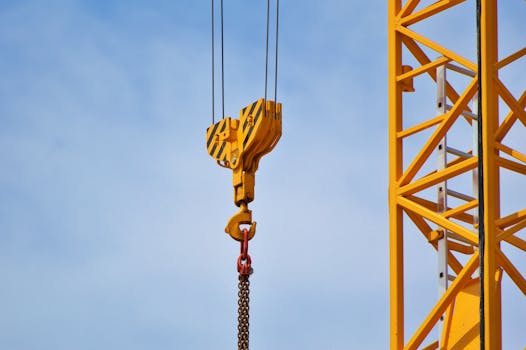
Imagine playing with giant LEGOs, but in real life! That is a bit like what a Crane Operator does. They sit high up in the cab of a huge crane, using controls to lift and move really heavy things, like big pieces of metal, wood, or concrete, from one place to another on a building site. They have to be very careful and precise, making sure everything goes exactly where it needs to be, safely. They help build tall buildings, bridges, and even wind turbines, making sure the right materials get to the right people working below. It is a job that needs lots of training and a good head for heights! Crane Operators work on many different types of projects, from small local building sites to huge national infrastructure projects. They need to understand special plans and listen to instructions from people on the ground using radios. Their job is super important because without them, it would be very hard to build big things. They help make sure our towns and cities grow and that new important buildings can be made.

Crane Operator

Flag Media

Please select a reason for flagging this content.

📊 Statistics

Starting Salary

A new Crane Operator in the UK might start by earning around 25,000 to 30,000 pounds a year.

Experienced Salary

With more experience, a Crane Operator can earn between 35,000 and 50,000 pounds a year, and sometimes even more depending on the type of crane and project.

Number of Jobs

There are thousands of crane operators across the UK, helping to build new homes, offices, and roads. It is a very important job in the construction world.

🚀 Careers in this path

Flag Media

Please select a reason for flagging this content.

Tower Crane Operator

Imagine you're playing with giant LEGOs! A Tower Crane Operator uses a very tall crane, like a huge arm, to lift heavy things like building blocks and steel beams high up into the sky to help build tall buildings. You'd be sitting in a cabin way up high, looking over everything.

Flag Media

Please select a reason for flagging this content.

Mobile Crane Operator

This is like driving a very, very big toy truck that can also lift things! A Mobile Crane Operator drives a crane that has wheels, so it can move around to different places. They might help lift things for roads, bridges, or even put up big Christmas trees in town squares.

Flag Media

Please select a reason for flagging this content.

Gantry Crane Operator

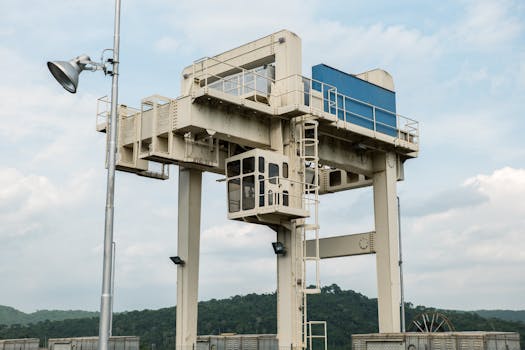
Have you ever seen big containers at a port or a train station? A Gantry Crane Operator uses a special crane that runs on tracks, often over the top of things, to lift and move these huge boxes from ships onto trains or other trucks. It's like a giant robot arm that slides along a rail.

Learning and Playing

Be Curious About Machines

Start by being interested in how big machines work. Look at diggers, tractors, and cranes whenever you see them. Ask grown-ups questions about what they do.

When you're out and about, pay attention to construction sites or farms. Notice the different types of machines, like excavators, bulldozers, and especially cranes. Try to understand their different parts and what jobs they perform. You can also watch videos online about how these machines operate to spark your curiosity even more. Ask your family to explain what they see too!

Play with Construction Toys

Playing with toy cranes, building blocks, and construction sets is a fun way to learn about lifting, balancing, and building.

Using toys like LEGOs, building blocks, or toy crane sets helps you understand how things fit together and how to lift items carefully. You'll learn about balance and stability, which are super important for real crane operators. Try to build tall structures and then imagine how a crane would lift parts to the top. It's like practice for the real job!

Learn About Safety

Safety is super important when working with big machines. Learn to always be careful and follow rules, even when playing.

Even when you're little, you can start learning about safety. Understand why we don't run near roads, why we look both ways, and why we listen to grown-ups. For a crane operator, safety means making sure no one gets hurt and that the crane doesn't tip over. It's about being responsible and thinking ahead to keep everyone safe.

Growing and Learning More

Do Well in School

Pay attention in subjects like maths and science. These help you understand how machines work and how to measure things accurately.

Maths is important for calculating weights, distances, and angles, which crane operators need to do. Science helps you understand forces, gravity, and how machines use different parts to lift heavy objects. Doing well in these subjects now will build a strong foundation for understanding the more complex mechanics of cranes later on. Try your best in all your lessons!

Get Practical Experience

When you're older, try to find opportunities to work or volunteer in places where you can see big machines, like construction sites or factories.

As you get a bit older, you could ask if you can visit a local construction site with a grown-up (with permission, of course!) or perhaps spend some time with someone who works with machinery. Seeing how real cranes operate and how teams work together can be very exciting and educational. Even helping out with simple tasks can give you a feel for a working environment and the importance of teamwork.

Learn About Mechanics

Try to understand how engines and gears make machines move. You can learn this from books, videos, or even helping fix things around the house.

Knowing how engines, levers, and hydraulics work is really useful for a crane operator. You don't need to be an expert mechanic, but understanding the basics helps you operate the crane more effectively and identify if something isn't quite right. There are lots of fun science kits and online resources that explain these concepts in simple ways. You could even help a grown-up change a tyre or fix a bicycle to see how parts work together.

Becoming a Crane Operator

Get Official Training

When you're old enough, you'll need to go to a special training school to learn how to operate different types of cranes safely.

To become a professional crane operator in the UK, you'll need to complete accredited training and get relevant certifications. This typically involves attending a training centre where you learn both the theory and practical skills of operating various cranes, such as mobile cranes, tower cranes, and overhead cranes. You'll learn about site safety, lifting plans, crane maintenance checks, and how to communicate effectively with ground staff. These courses prepare you for nationally recognised qualifications, like those from NPORS or CPCS.

Gain Your Licences

After training, you'll take tests to get special licences that show you're qualified and safe to operate cranes.

Once you've completed your training, you'll need to pass practical and theoretical tests to earn your crane operator licences or 'cards'. These cards, such as a CPCS (Construction Plant Competence Scheme) card, prove that you have the skills and knowledge required to operate specific types of cranes safely and legally on a construction site. You usually start with a 'Red Card' (Trained Operator) and then work towards a 'Blue Card' (Competent Operator) after gaining enough experience.

Start Working and Keep Learning

Find your first job as a crane operator! You'll keep learning new things every day and might even specialise in different types of cranes.

After getting your licences, you can start applying for jobs on construction sites or with crane hire companies. Your first roles might involve working under supervision as you gain more real-world experience. The construction industry is always evolving, so continuing to learn about new crane technology, safety regulations, and lifting techniques is important throughout your career. You might choose to specialise in operating very large tower cranes, mobile cranes, or even offshore cranes, each requiring specific skills and ongoing development.

🎬 Useful Videos

🎯 View Apprenticeships

Explore relevant apprenticeships that can help you kickstart your career in Crane Operator. Apprenticeships offer hands-on experience and training while earning a wage.

Career Progressions

This page showcases various career options and the pathways to reach them. Each career listed here shares transferable skills and knowledge, making it easier for individuals to transition between them.

Your current career is highlighted to help you see how it fits into the broader landscape of potential career choices. By clicking on any career, you can learn more about it, including the training and education required to pursue it.

Remember, progressing in your career often involves further learning and training. This page provides insights into future career options as well as those that can lead up to your current one.

These career progression decisions are informed by comparing the skills and knowledge needed for different occupations, along with data on how people move between them. Explore the possibilities and discover the exciting journey ahead in your career!

Sample Qualifications

A Crane Operator is responsible for operating cranes to lift and move heavy materials, a role directly synonymous with and best described as a Crane driver in UK English, particularly regarding the operation of machinery for lifting.

How to become

You can get into this job through:

  • a college course
  • an apprenticeship
  • working towards this role

College

You could do a college course like construction plant operations.

This would teach you how to operate different types of plant machinery. You could then apply to construction companies for a trainee crane driver position.

Entry requirements

Entry requirements for these courses vary.

More Information

Apprenticeship

You could apply to do a Lifting Technician Level 2 Intermediate Apprenticeship to become a crane driver.

You may do a Port Operative Level 2 Intermediate Apprenticeship, if you're going to work in a port. This would train you on how to operate gantry cranes and lifting machinery in a cargo terminal.

These can take between 1 and 2 years to complete. They combine on-the-job training with off-site study.

Entry requirements

You'll usually need:

  • some GCSEs, usually including English and maths, or equivalent, for an intermediate apprenticeship

More Information

Work

You could start as a construction groundworker, labourer or plant operator.

Once you've got experience of using heavy plant machinery like excavators, you could do crane driver training.

You could also work as a slinger-signaller, the person who guides lifting operations from the ground, then move into crane driving after completing extra training.

More Information

Registration

Career tips

Safety on site is extremely important. Being able to communicate clearly with your slinger-signaller team on the ground is essential.

It's also important to have the confidence to ask questions if any instructions are unclear, especially when starting out.

Further information

You can find more details about how to become a crane driver from Go Construct.

Interested in More Career Paths?

Explore other careers or use our AI to discover personalised paths based on your interests.

Stay connected

Join our newsletter to stay up to date on features and releases

Address
Developing Experts Limited
Exchange Street Buildings
35-37 Exchange Street
Norwich
NR2 1DP
UK

Phone
01603 273515

Email
[email protected]

Copyright 2025 Developing Experts, All rights reserved.
