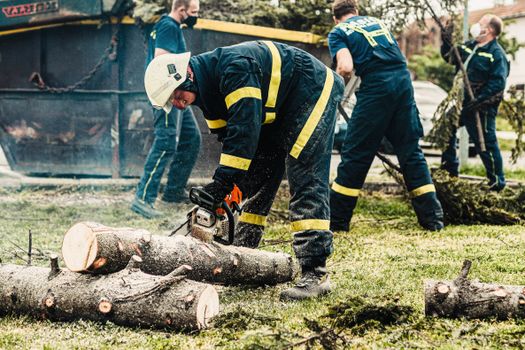
A tree surgeon, also called an arborist, plants, prunes, inspects and removes trees. The work can include cutting branches, treating tree diseases, carrying out safety checks and clearing storm damage. Tree surgeons may climb trees using ropes and harnesses, operate chainsaws and use wood chippers and mobile elevated work platforms. They must follow strict safety procedures because the work involves working at height, heavy equipment and falling branches. Good physical fitness, confidence outdoors and an interest in trees are important. Employers usually expect practical training and relevant safety certificates, and a driving licence is often useful because workers travel to different sites.
Tree surgeons in the UK commonly earn about £22,000 to £35,000 a year. Experienced climbers, team leaders and specialist contractors may earn more than £40,000.
A normal working week is around 37 to 40 hours, although early starts, overtime and occasional weekend work are common.
Relevant apprenticeships and college courses can take around 2 years to complete. Useful qualifications include chainsaw certificates, first aid and an industry recognised arboriculture qualification.
There are thousands of people employed in arboriculture and related grounds maintenance work across the UK. Job opportunities are available with local authorities, tree care companies, estates, utility providers and environmental organisations.

Assists with tree inspections, pruning, planting and maintenance in parks, gardens and woodland areas. This is a good starting role for gaining practical experience and industry qualifications.
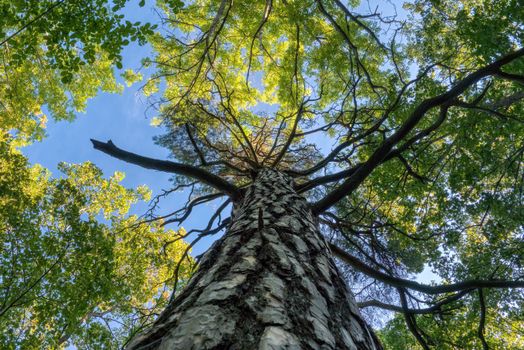
Inspects trees for health, safety and structural problems, then prepares reports and recommends suitable work. The role combines outdoor work with record keeping and basic technical skills.

Cares for woodland habitats by managing trees, maintaining paths, controlling invasive species and supporting conservation projects. This role is suitable for someone who enjoys practical outdoor work and the natural environment.
Research the daily responsibilities, working conditions and safety requirements of tree surgeons.
Tree surgeons often work outdoors in difficult weather and may climb trees, use chainsaws, operate wood chippers and remove branches or whole trees. The work can be physically demanding and requires careful planning.
Look for volunteering, work shadowing or entry level work with a tree surgery, landscaping or grounds maintenance company.
Practical experience will help you decide whether you enjoy outdoor manual work and working at height. Contact local arboricultural businesses, councils, parks departments and woodland organisations to ask about opportunities.
Build your strength, stamina, balance and confidence around tools and outdoor working environments.
Good fitness is important because tree surgeons may carry equipment, climb with ropes and work for long periods. You should also be comfortable following risk assessments, wearing personal protective equipment and working as part of a team.
Consider a college course or apprenticeship in arboriculture, forestry, horticulture or countryside management.
Relevant courses can teach tree identification, pruning, planting, pests, diseases, chainsaw operation and climbing techniques. Search for courses through local colleges and the National Careers Service.
Work towards recognised chainsaw qualifications before using a chainsaw professionally.
Common UK awards include City and Guilds NPTC units for chainsaw maintenance, cross cutting and small tree felling. Training should be completed with an approved provider and must include safe working practices.
Gain training in tree climbing, aerial cutting and rescuing an injured climber.
Aerial tree work requires specialist instruction and assessment. Training may cover climbing systems, harnesses, ropes, branch cutting and emergency procedures. Never attempt professional tree climbing without suitable training and supervision.
Apply for positions such as ground worker, trainee arborist, tree surgery assistant or grounds maintenance worker.
Starting as a ground worker allows you to learn site safety, equipment handling, branch processing and communication with the climbing team. Employers often value reliability, a willingness to learn and a clean safety record.
Highlight outdoor work, driving, machinery, first aid, volunteering, fitness and any arboriculture qualifications.
Include examples that show responsibility and teamwork, such as landscaping work, warehouse work, sport or outdoor volunteering. List certificates clearly and explain any experience with tools or machinery.
Learn how to complete risk assessments, use personal protective equipment and follow site procedures.
Tree work involves serious risks from falling branches, chainsaws, vehicles, electricity and unstable trees. You should understand emergency planning, exclusion zones and safe communication before progressing to more advanced duties.
Work towards qualifications in aerial tree rescue, aerial cutting, rigging, tree inspection and specialist machinery.
Additional certificates can allow you to take on more complex work and improve your earning potential. Discuss a training plan with your employer so that each qualification matches the work you are expected to undertake.
Work towards a full UK driving licence and consider additional vehicle or trailer qualifications if required.
Arborists often travel between sites and may need to drive vans, chipper equipment or trailers. A driving licence can make you more employable and may be essential for supervisory or self employed work.
Progress towards roles such as climbing arborist, tree inspector, team leader, consultant or business owner.
With experience, you may specialise in tree climbing, large tree removal, tree surveys, woodland management or utility arboriculture. Professional development may include membership of the Arboricultural Association and further study in arboriculture or forestry.
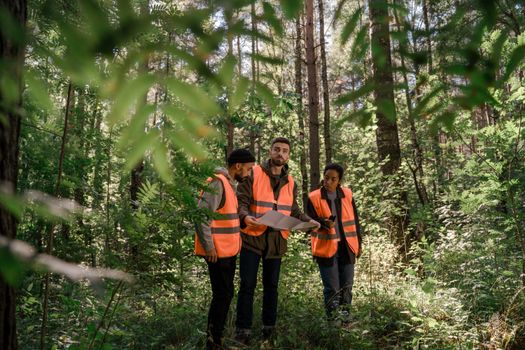
Inspects trees, writes reports and advises landowners, councils and developers about tree health, safety and planning requirements.

Manages woodland areas by planting, protecting and harvesting trees, while using machinery and following environmental guidance.

Maintains parks, gardens, sports grounds and public spaces by cutting vegetation, planting trees and keeping outdoor areas safe.

Protects habitats and wildlife through practical countryside management, surveys, habitat restoration and environmental education.
Explore relevant apprenticeships that can help you kickstart your career in Tree Surgeon. Apprenticeships offer hands-on experience and training while earning a wage.
This page showcases various career options and the pathways to reach them. Each career listed here shares transferable skills and knowledge, making it easier for individuals to transition between them.
Your current career is highlighted to help you see how it fits into the broader landscape of potential career choices. By clicking on any career, you can learn more about it, including the training and education required to pursue it.
Remember, progressing in your career often involves further learning and training. This page provides insights into future career options as well as those that can lead up to your current one.
These career progression decisions are informed by comparing the skills and knowledge needed for different occupations, along with data on how people move between them. Explore the possibilities and discover the exciting journey ahead in your career!
Pruning, felling and maintaining trees.
Explore other careers or use our AI to discover personalised paths based on your interests.
Address
Developing Experts Limited
Exchange Street Buildings
35-37 Exchange Street
Norwich
NR2 1DP
UK
Phone
01603 273515
Email
[email protected]
Copyright 2026 Developing Experts, All rights reserved.

Unlock expert-designed lessons, resources, and assessments tailored for educators. No credit card required.
Claim Your Free Trial →We use cookies to enhance your browsing experience and analyze our traffic. Learn more.

