A tree surgeon, also called an arborist, looks after trees in parks, gardens, streets and woodland. Their work can include planting trees, checking tree health, removing damaged branches, cutting trees safely and helping to protect trees from disease. They may climb trees using ropes and use tools such as chainsaws, wood chippers and stump grinders. Safety is very important because the work is often done high above the ground and near roads, buildings or power lines. Tree surgeons usually work outdoors in different weather conditions and need to be physically fit, careful and comfortable working at heights. Useful school subjects include science, maths and design and technology. Practical training, work experience and certificates in chainsaw use or tree climbing can help someone enter this career.
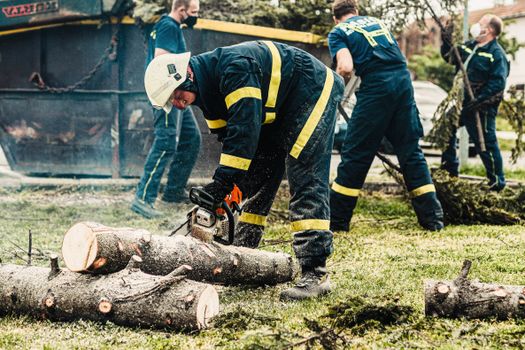
Tree surgeons in the UK often earn about 22000 to 40000 pounds per year. Experienced specialists or team leaders may earn more.
A trainee or junior tree surgeon may start at around 18000 to 24000 pounds per year, depending on their training and location.
Many tree surgeons work around 35 to 40 hours each week. Extra hours may be needed for emergency work after storms.
There are more than 10 common National Proficiency Tests Council qualifications for tree work, covering skills such as chainsaw use, climbing and aerial rescue.
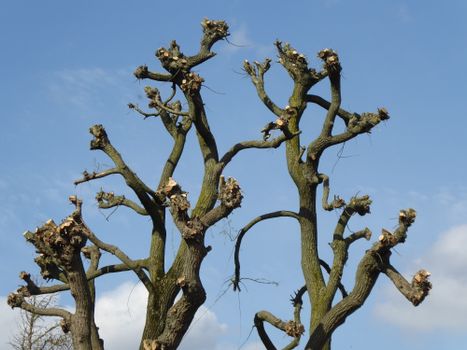
Looks after trees by checking their health, pruning branches and helping to keep trees safe in parks, gardens and woodland.

Cares for forests and woodlands, protects wildlife habitats and helps visitors enjoy the countryside safely.
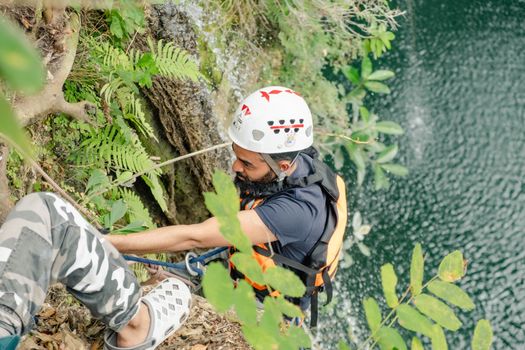
Uses ropes and climbing equipment to reach high branches, carry out tree inspections and remove damaged wood safely.
Study how trees grow and learn to recognise common UK tree species.
Use books, websites, parks and nature groups to learn about tree roots, leaves, bark and seasonal changes. Notice how trees are affected by weather, insects and diseases.
Spend time outdoors and practise activities that improve fitness, balance and awareness.
Walking, climbing, gardening and wildlife activities can help you become comfortable working outside. Tree surgeons often work in changing weather and on uneven ground.
Ask a tree surgeon about their daily work, training and safety responsibilities.
You could contact a local tree care company, visit a careers event or ask your school careers adviser for help. Prepare questions about equipment, working at height and qualifications.
Develop your knowledge of biology, plants, soil and the environment.
Science can help you understand photosynthesis, plant health, habitats and diseases. These topics are useful when deciding how to care for trees safely.
Practise measuring, estimating and working with distances and angles.
Tree surgeons may need to estimate branch lengths, calculate working distances and understand measurements when planning jobs. Good maths skills also support equipment checks and safety planning.
Practise explaining ideas clearly and listening carefully to instructions.
Tree surgeons work with customers, colleagues and other outdoor workers. Clear communication is important when discussing prices, risks, traffic and safe working areas.
Learn basic plant care, pruning and safe use of simple garden tools.
School gardening clubs, community gardens and supervised work at home can help you build practical skills. Always use tools with permission and follow instructions from an adult.
Look for supervised opportunities with parks, gardens, woodland groups or environmental projects.
Volunteering can teach you about habitats, conservation and outdoor teamwork. You must not use chainsaws, climbing equipment or other dangerous machinery unless you are properly trained and legally old enough.
Write down activities, skills and achievements that relate to tree care.
A simple folder can include photographs of supervised projects, certificates, notes from volunteering and feedback from adults. This may help when applying for a course, apprenticeship or job.
After school, consider a college course in arboriculture, horticulture, forestry or countryside management.
Courses may cover tree identification, pruning, planting, tree health, climbing and work safety. Check entry requirements with colleges and training providers.
Look for an arborist or tree worker apprenticeship that combines employment with study.
An apprenticeship allows you to learn from experienced workers while gaining practical skills and working towards recognised qualifications. Search on the official UK government apprenticeship website and ask a careers adviser for support.
Complete approved training for equipment, climbing, first aid and working near roads or electricity lines.
Tree work can be dangerous, so employers expect workers to follow industry safety standards. Qualifications may include chainsaw use, aerial rescue, tree climbing and emergency first aid, depending on the job.
Apply for trainee tree worker, grounds maintenance or junior arborist roles.
Look for vacancies with tree surgery companies, local councils, parks departments, woodland organisations and landscaping businesses. Highlight your outdoor experience, safety awareness and willingness to learn.
Learn to inspect trees, use equipment correctly and complete work to a high standard.
With experience, you may carry out pruning, tree removal, planting, pest checks and site surveys. Always follow risk assessments and work under suitable supervision while developing your skills.
Work towards senior tree surgeon, climbing specialist, tree inspector or business owner roles.
Further qualifications and experience can lead to specialist work in tree inspections, woodland management, conservation or consultancy. Some experienced arborists start their own tree care business.
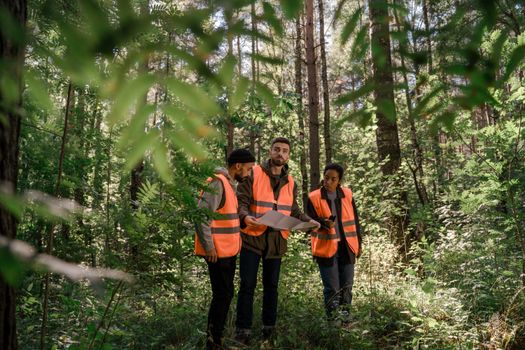
A forester manages woodland and forests, including tree planting, wildlife protection, timber production and conservation.
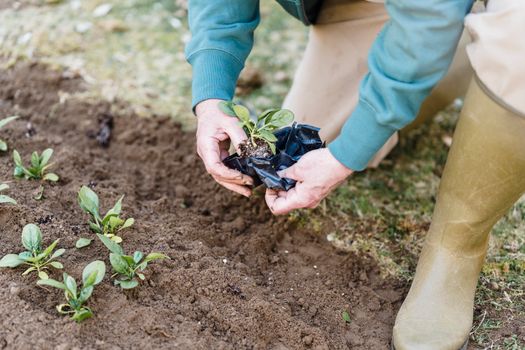
A gardener looks after plants, lawns, trees and flowers in gardens, parks or other outdoor spaces.
A countryside ranger protects natural areas, cares for habitats and helps visitors enjoy parks, forests and nature reserves.

A landscape gardener designs, builds and maintains outdoor spaces such as gardens, parks and public areas.
Explore relevant apprenticeships that can help you kickstart your career in Tree Surgeon. Apprenticeships offer hands-on experience and training while earning a wage.
This page showcases various career options and the pathways to reach them. Each career listed here shares transferable skills and knowledge, making it easier for individuals to transition between them.
Your current career is highlighted to help you see how it fits into the broader landscape of potential career choices. By clicking on any career, you can learn more about it, including the training and education required to pursue it.
Remember, progressing in your career often involves further learning and training. This page provides insights into future career options as well as those that can lead up to your current one.
These career progression decisions are informed by comparing the skills and knowledge needed for different occupations, along with data on how people move between them. Explore the possibilities and discover the exciting journey ahead in your career!
Pruning, felling and maintaining trees.
Explore other careers or use our AI to discover personalised paths based on your interests.
Address
Developing Experts Limited
Exchange Street Buildings
35-37 Exchange Street
Norwich
NR2 1DP
UK
Phone
01603 273515
Email
[email protected]
Copyright 2026 Developing Experts, All rights reserved.

Unlock expert-designed lessons, resources, and assessments tailored for educators. No credit card required.
Claim Your Free Trial →We use cookies to enhance your browsing experience and analyze our traffic. Learn more.

