A tree surgeon, also called an arborist, looks after trees. They check trees for damage and disease, cut away unsafe branches and sometimes remove trees that could fall. They use ropes, climbing equipment, saws and safety clothing. The job can be high up, so being careful and following safety rules is very important. Tree surgeons also help protect wildlife and keep roads, gardens and parks safe.
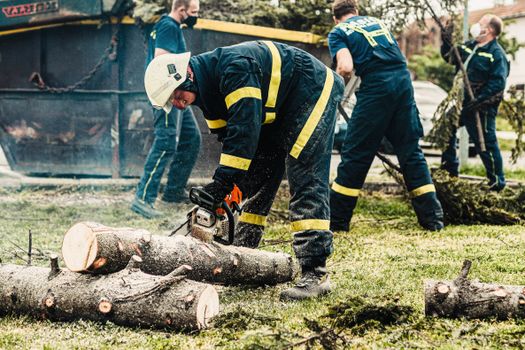
A tree surgeon in the UK can earn about 22000 to 45000 pounds a year, depending on skills and experience.
Tree surgeons often work about 35 to 40 hours each week. Some work at weekends or start early.
Many tree surgeons begin with a college course or an apprenticeship. Useful subjects include tree care, countryside work and health and safety.
Tree surgeons work for tree care companies, local councils, parks, gardens and woodland organisations across the UK.

A tree climbing arborist climbs trees safely to trim branches and check that trees are healthy.
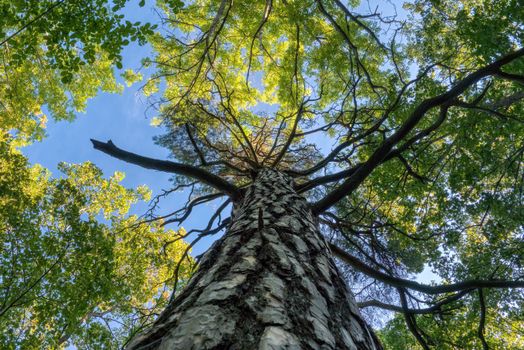
A tree health specialist looks for diseases and pests that can harm trees and suggests ways to protect them.
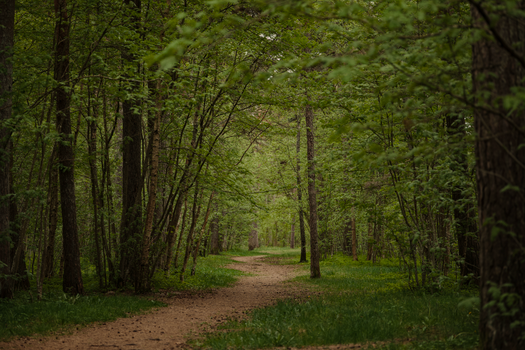
A woodland ranger cares for forests and parks by looking after trees paths wildlife and visitors.
Learn how trees grow and what they need to stay healthy.
You can learn by looking at trees in parks, gardens and woodlands. Notice their leaves, bark, branches and seeds. Science lessons can help you understand plants, weather, soil and living things.
Spend time outdoors and practise being careful around plants, tools and uneven ground.
Tree surgeons often work outside in changing weather. Walking, climbing safely and following instructions can help you prepare. Always ask an adult before using gardening tools or exploring woodland areas.
Look closely at trees and learn to spot healthy and damaged branches.
A tree surgeon needs to notice broken branches, loose bark, holes and signs of insects or disease. You could keep a simple tree diary with drawings and notes about how trees change through the seasons.
Understand that saws, ropes and climbing equipment must be used carefully.
As you get older, you may learn to use gardening tools under the guidance of a trained adult. Safety rules should always come first. Never use a chainsaw or climbing equipment without proper training and supervision.
Develop strength, balance and stamina for working at height and carrying equipment.
Tree surgeons may climb, bend, lift and walk for much of the day. Activities such as swimming, cycling and team sports can help build fitness. A healthy routine with sleep, food and exercise is useful for outdoor work.
Learn to communicate clearly and work well with other people.
Tree surgeons often work in teams. One person may climb while others watch the area, manage ropes and keep people safe. Listening carefully and speaking clearly are important skills for this job.
Work hard in science, mathematics, English and physical education.
Science can help you understand trees and nature. Mathematics can help with measuring heights, distances and amounts. English is useful for reading instructions and writing safety notes, while physical education can help with fitness and balance.
When you are old enough, ask about work experience with a tree care company, garden centre or woodland group.
Work experience can show you what a normal day is like. You may learn about checking trees, clearing branches and caring for equipment. Always use approved organisations and follow their safety rules.
Take a college course or apprenticeship in arboriculture when you are ready.
Arboriculture is the study and care of trees. Courses can teach tree identification, pruning, climbing, chainsaw safety and first aid. In the UK, an apprenticeship can combine classroom learning with paid work and training.
Complete the correct training and certificates for climbing, cutting and using tree care equipment.
Tree surgeons need strong safety knowledge because the work can involve heights, heavy branches and powerful tools. Training may include first aid, climbing techniques, chainsaw use and emergency rescue procedures.
Look for trainee tree surgeon or arborist jobs with trusted companies, councils or woodland organisations.
A simple CV can include your training, work experience, safety skills and interest in trees. Ask a teacher, careers adviser or trusted adult to check it. You may begin as a ground worker and learn more skills before climbing trees.
Continue learning about tree health, new equipment and safe working methods.
Experienced tree surgeons may become team leaders, tree inspectors or business owners. Some specialise in large trees, conservation or woodland care. Keeping skills up to date helps protect workers, members of the public and trees.
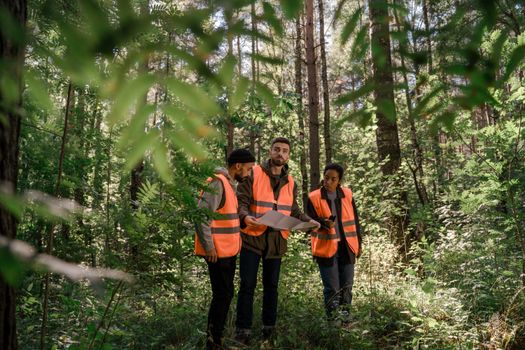
A forester looks after large areas of woodland and helps plan how trees are grown and protected.
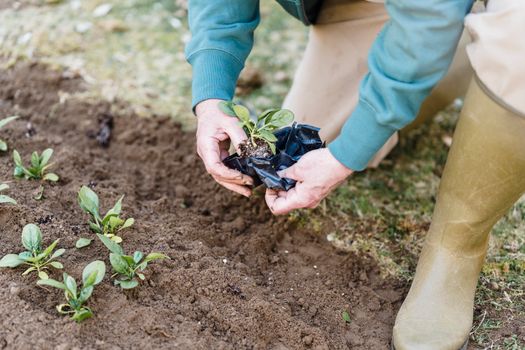
A gardener cares for plants, lawns, flowers, shrubs and small trees in gardens and parks.

A countryside ranger protects nature areas, helps visitors and cares for habitats, paths and wildlife.

A landscape gardener designs and builds outdoor spaces using plants, trees, paths and other features.
Explore relevant apprenticeships that can help you kickstart your career in Tree Surgeon. Apprenticeships offer hands-on experience and training while earning a wage.
This page showcases various career options and the pathways to reach them. Each career listed here shares transferable skills and knowledge, making it easier for individuals to transition between them.
Your current career is highlighted to help you see how it fits into the broader landscape of potential career choices. By clicking on any career, you can learn more about it, including the training and education required to pursue it.
Remember, progressing in your career often involves further learning and training. This page provides insights into future career options as well as those that can lead up to your current one.
These career progression decisions are informed by comparing the skills and knowledge needed for different occupations, along with data on how people move between them. Explore the possibilities and discover the exciting journey ahead in your career!
Pruning, felling and maintaining trees.
Explore other careers or use our AI to discover personalised paths based on your interests.
Address
Developing Experts Limited
Exchange Street Buildings
35-37 Exchange Street
Norwich
NR2 1DP
UK
Phone
01603 273515
Email
[email protected]
Copyright 2026 Developing Experts, All rights reserved.

Unlock expert-designed lessons, resources, and assessments tailored for educators. No credit card required.
Claim Your Free Trial →We use cookies to enhance your browsing experience and analyze our traffic. Learn more.

