Imagine soaring high above the clouds, flying amazing aeroplanes to protect our country! That is what an RAF Pilot does. RAF stands for Royal Air Force, and it is the UK's air defence team. Pilots learn to fly many different types of aeroplanes, from speedy fighter jets to big transport planes that carry important equipment or people. They train really hard to be very skilled and brave. Their job is super important, as they help keep the UK safe, sometimes by watching our skies or by helping out in other countries around the world when needed. It is a job that needs lots of concentration and teamwork. Being an RAF Pilot is not just about flying; it is also about being a leader and working with a team on the ground. Pilots need to be very good at making quick decisions and following instructions. They learn how to use all the buttons and screens in the cockpit, understanding weather, and how to fly safely in all sorts of conditions. They might fly on exciting missions, practice flying, or help during emergencies. It is a very special job for people who love aeroplanes, adventures, and helping others.
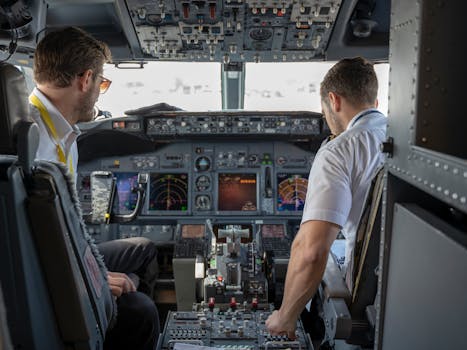
When you first join as a pilot in the RAF and complete your training, you could earn around 27,200 pounds a year. As you gain more experience, this will go up.
Experienced RAF Pilots can earn much more, with some reaching over 60,000 pounds a year. Some senior pilots can earn even more.
Becoming an RAF Pilot takes a lot of training. You will spend around three years learning to fly different aircraft and becoming an officer in the RAF.

An astronaut is like a pilot, but they fly into space! They get to explore other planets and stars, and float around in a spaceship. You need to be very brave and smart to be an astronaut.
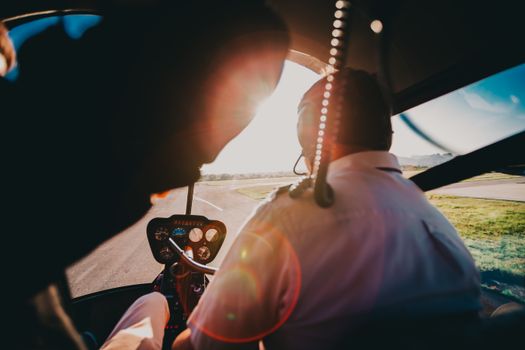
An Air Ambulance Pilot flies a special helicopter very quickly to help people who are poorly or hurt. They help doctors and paramedics get to emergencies fast, making a big difference to people's lives.
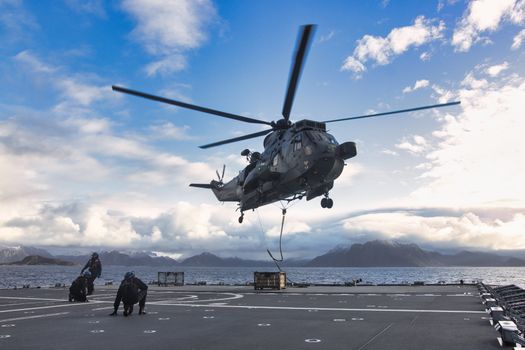
A Search and Rescue Pilot flies a helicopter to find people who are lost or in danger, perhaps at sea or on a mountain. They are heroes who help bring people to safety when they really need it.
Find out all about different types of aeroplanes and how they fly. Look at pictures and videos of RAF jets!
Start by looking at books or websites about planes. You can learn about how wings help planes stay up, what makes them go fast, and all the cool buttons in the cockpit. Understanding the basics of flight is a great first step to becoming a pilot.
RAF Pilots need to be very fit and strong. Play lots of sports, eat healthy food, and get plenty of sleep.
Being physically active is super important. Try running, swimming, or playing football with your friends. Eating your fruit and vegetables and getting a good night's sleep helps your body grow strong and keeps your mind sharp, which is essential for any pilot.
Pay attention in lessons, especially maths and science, as these subjects help you understand how planes work.
Maths helps you understand things like speed and distance, and science teaches you about gravity and engines. Reading and writing are also important for understanding instructions and communicating clearly. Doing well in all your school subjects will build a strong foundation for your future.
When you're a bit older, you could join the Air Cadets! You'll learn about flying and even get to go on gliders.
The Air Cadets is a fantastic way to learn more about the RAF and aviation. You'll make new friends, go on exciting trips, and even have the chance to experience flying in a glider or a small aeroplane. It's a brilliant way to see if flying is really for you.
Try flying simulators or games that teach you how to control an aeroplane. This helps you get used to the controls.
Computer flight simulators are a fun way to practise without leaving the ground. You can learn how to take off, land, and navigate. These games can help you understand the different instruments in a cockpit and how a pilot uses them to fly safely.
Pilots work with many people, so practise being a good team player in games and school projects.
Working together is key in the RAF. Whether it's playing a team sport or doing a group project at school, learning to listen to others, share ideas, and support your friends are all important skills. Pilots rely on their ground crew and other pilots, so teamwork is essential.
When you are old enough (usually 17-18 years old), you can apply to join the Royal Air Force as a pilot.
You'll need to fill out an application form and show that you've worked hard at school and kept fit. The RAF looks for people who are enthusiastic, determined, and ready for a challenge. This is the first official step to starting your pilot journey.
You'll do some special tests to see how good you are at problem-solving, fitness, and thinking quickly.
These tests check your brain power with puzzles and your body's strength and stamina. There will also be interviews where you can show how keen you are and talk about why you want to be an RAF Pilot. They want to make sure you're the right person for the job.
If you pass, you'll go to special training schools to learn everything about flying military planes safely.
This is where the real flying adventure begins! You'll learn from expert instructors, first in small planes, then in jets. You'll master flying different manoeuvres, navigation, and how to use all the amazing equipment in an RAF cockpit. It's challenging but very exciting!
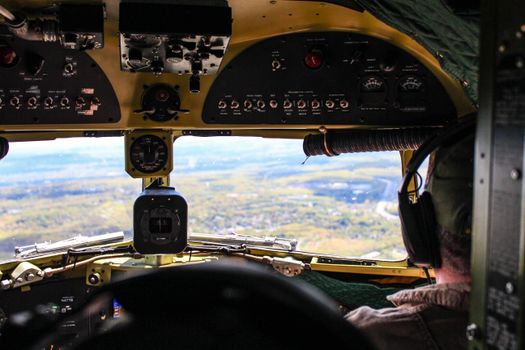
A Commercial Pilot flies aeroplanes for airlines, taking people on holidays or business trips all around the world.
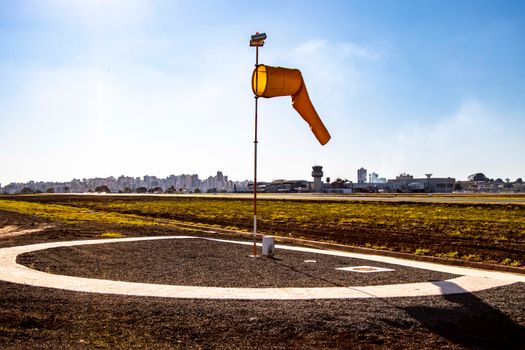
An Air Traffic Controller works in a control tower, guiding pilots from the ground, telling them when it is safe to take off, land, and fly in the sky.
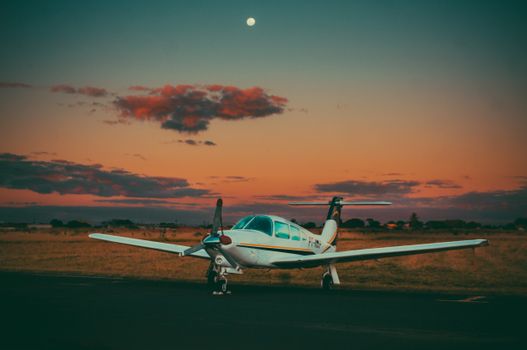
An Aerospace Engineer helps design, build, and maintain the aeroplanes and helicopters that pilots fly, making sure they are safe and work perfectly.
Explore relevant apprenticeships that can help you kickstart your career in RAF Pilot. Apprenticeships offer hands-on experience and training while earning a wage.
This page showcases various career options and the pathways to reach them. Each career listed here shares transferable skills and knowledge, making it easier for individuals to transition between them.
Your current career is highlighted to help you see how it fits into the broader landscape of potential career choices. By clicking on any career, you can learn more about it, including the training and education required to pursue it.
Remember, progressing in your career often involves further learning and training. This page provides insights into future career options as well as those that can lead up to your current one.
These career progression decisions are informed by comparing the skills and knowledge needed for different occupations, along with data on how people move between them. Explore the possibilities and discover the exciting journey ahead in your career!
Explore other careers or use our AI to discover personalised paths based on your interests.
Address
Developing Experts Limited
Exchange Street Buildings
35-37 Exchange Street
Norwich
NR2 1DP
UK
Phone
01603 273515
Email
[email protected]
Copyright 2026 Developing Experts, All rights reserved.

Unlock expert-designed lessons, resources, and assessments tailored for educators. No credit card required.
Claim Your Free Trial →We use cookies to enhance your browsing experience and analyze our traffic. Learn more.

