

Creating Career Path...

Finding Further Careers...

Furniture Maker

View this career for different education levels:

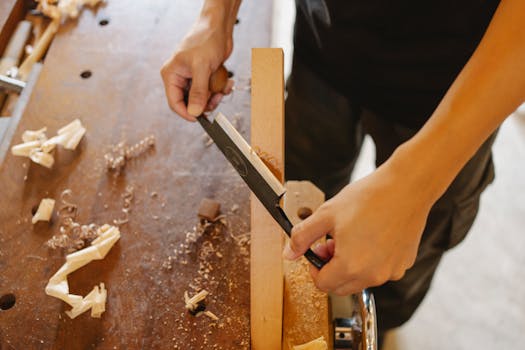
Imagine building beautiful chairs, tables, and cupboards with your own hands! That's what a Furniture Maker does. They are like artists who work with wood and other materials to create useful and lovely things for our homes and offices. They might draw their own designs, carefully cut and shape pieces of wood, and then join them together with special tools to make strong and elegant furniture. It's a job that needs a lot of patience, skill, and an eye for detail to make sure everything fits perfectly and looks wonderful. Sometimes they fix old furniture too, bringing it back to life. They can work in a big factory, a small workshop, or even from their own home studio, making bespoke items for people.

Furniture Maker

Flag Media

Please select a reason for flagging this content.

📊 Statistics

Starting Salary

A new Furniture Maker in the UK might earn around 18,000 to 22,000 pounds a year.

Experienced Salary

An experienced Furniture Maker in the UK could earn between 25,000 and 40,000 pounds a year, or even more if they run their own business.

Job Openings

There are usually many smaller workshops and businesses across the UK looking for skilled Furniture Makers. It's a craft that's always in demand for unique pieces.

🚀 Careers in this path

Flag Media

Please select a reason for flagging this content.

Toy Maker

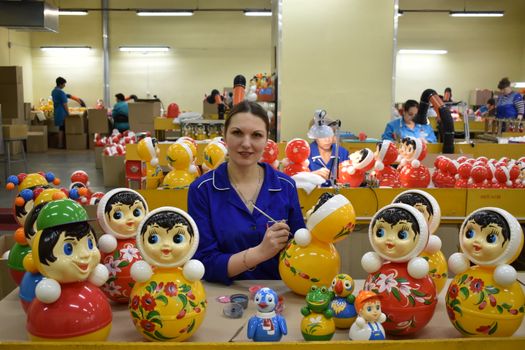
Imagine making all sorts of fun toys from wood, like wooden cars, dolls houses, or building blocks for children to play with. You'd get to design and create wonderful things.

Flag Media

Please select a reason for flagging this content.

Treehouse Builder

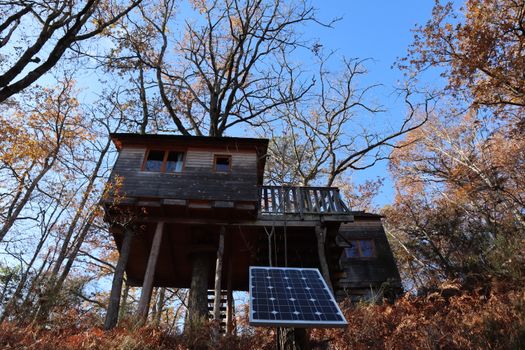
If you love trees and making things, you could build amazing treehouses for people's gardens. Think of all the cool ladders, platforms, and secret dens you could create high up in the branches.

Flag Media

Please select a reason for flagging this content.

Garden Bench Maker

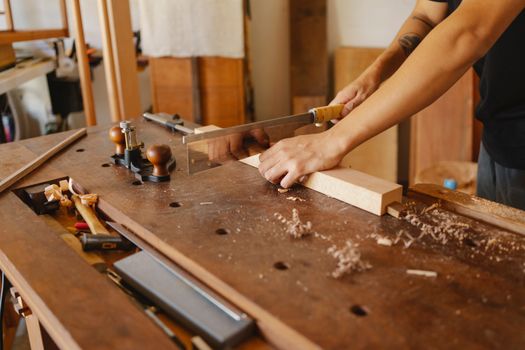
You could make strong and comfy wooden benches for people to sit on in their gardens, parks, or even outside their schools. You'd choose the best wood and make sure they look lovely.

Starting Young: Discovering Wood Fun!

Play with Building Blocks

Start by playing with building blocks or LEGO at home or school. This helps you learn how to put things together and make them strong.

Playing with building blocks is a fantastic way to develop your spatial awareness, which means understanding how things fit together in space. It also helps with problem-solving – figuring out how to make your creations stable and balanced. You can experiment with different shapes and sizes, just like a furniture maker does with wood.

Visit a Furniture Shop

Ask a grown-up to take you to a furniture shop. Look at all the different tables, chairs, and beds. Notice how they are made!

When you visit a furniture shop, try to spot how different pieces of furniture are put together. Are they smooth or rough? Can you see how the legs are attached to the table top? This is a great way to see real-life examples of what furniture makers create and get ideas for your own future projects. You might even see different types of wood!

Try Simple Craft Kits

Ask a grown-up for a simple craft kit that involves wood or construction, like making a birdhouse or a small wooden toy. Always have a grown-up help you with tools!

Simple craft kits are a wonderful introduction to working with materials. They often come with pre-cut pieces that you need to join together, which is exactly what a furniture maker does. You'll learn to follow instructions, use child-safe tools (like a small hammer or screwdriver with supervision), and feel the joy of completing a project with your own hands. Remember, safety first!

Learning and Practising Wood Skills

Join a School Woodwork Club

When you're a bit older, see if your school has a woodwork or design and technology club. This is where you can learn to use real tools safely.

Joining a club like this is a brilliant step! You'll get to use proper tools like saws, chisels, and sanders in a safe environment with a teacher to guide you. You'll learn about different types of wood, how to measure accurately, and how to create strong joints. It's a fantastic way to get hands-on experience and make exciting projects.

Learn About Different Woods

Discover different types of wood like oak, pine, and beech. Each one is special and used for different things.

Just like artists choose different colours of paint, furniture makers choose different types of wood. Some woods are hard and strong, perfect for tables, while others are softer and easier to carve. Learning about their colours, textures, and how they behave will help you choose the best wood for your projects. You can look at pictures or even feel different wood samples.

Draw Your Ideas

Practice drawing pictures of the furniture you want to make. Planning on paper helps you think about all the details before you start building.

Before a furniture maker even touches a piece of wood, they often draw detailed plans. Drawing your ideas helps you work out how big things need to be, what shapes you'll use, and how all the pieces will fit together. It's like creating a map for your building project and can help you spot any problems before you even start cutting wood.

Becoming a Furniture Pro

Study Design and Technology

At secondary school, choose subjects like Design and Technology (D&T). You'll learn advanced skills for making things.

D&T is the perfect subject for aspiring furniture makers. You'll delve deeper into product design, material science, and advanced construction techniques. You'll use more sophisticated tools and machinery, learn about computer-aided design (CAD), and undertake longer, more complex projects that will build a strong portfolio of your work. This subject gives you a solid foundation for further studies.

Consider College or Apprenticeship

After school, you could go to college to study furniture design or join an apprenticeship to learn on the job with an experienced maker.

At college, you can study courses specifically in furniture design, cabinet making, or woodworking. You'll gain a deeper understanding of design principles, material properties, and workshop safety. Alternatively, an apprenticeship means you get to work alongside a skilled furniture maker, learning practical skills every day while also earning a wage. Both are excellent paths to becoming a professional.

Build Your Own Workshop

Over time, you can set up your own workshop, maybe in a garage or shed, to create your unique furniture pieces for people to buy and enjoy.

Once you have enough experience and skills, you might dream of having your own space to work. This could start small, perhaps in a spare room or garden shed, and grow as you do. Having your own workshop allows you to be fully creative, design your own brand of furniture, and even start your own business. It's where you'll bring all your learned skills together to make beautiful things for others.

🎬 Useful Videos

🎯 View Apprenticeships

Explore relevant apprenticeships that can help you kickstart your career in Furniture Maker. Apprenticeships offer hands-on experience and training while earning a wage.

Career Progressions

This page showcases various career options and the pathways to reach them. Each career listed here shares transferable skills and knowledge, making it easier for individuals to transition between them.

Your current career is highlighted to help you see how it fits into the broader landscape of potential career choices. By clicking on any career, you can learn more about it, including the training and education required to pursue it.

Remember, progressing in your career often involves further learning and training. This page provides insights into future career options as well as those that can lead up to your current one.

These career progression decisions are informed by comparing the skills and knowledge needed for different occupations, along with data on how people move between them. Explore the possibilities and discover the exciting journey ahead in your career!

Sample Qualifications

The user's input 'Furniture Maker' directly matches the official job title 'Furniture maker' from the provided list, indicating a perfect alignment in role and responsibilities for crafting furniture.

How to become

You can get into this job through:

  • a college course
  • an apprenticeship
  • applying directly

College

You could do a college course to get some of the skills needed for a trainee position with a company. 

Courses include:

  • furniture making
  • furniture design
  • wood machining
  • furnishings - traditional and modern upholstery
  • T Level in Craft and Design

Entry requirements

Entry requirements for these courses vary.

  • 4 or 5 GCSEs at grades 9 to 4 (A* to C), or equivalent, including English and maths for a T Level

More Information

Apprenticeship

You can apply to do a Level 2 Intermediate Apprenticeship with a furniture manufacturing business. There are several to choose from, including:

  • Furniture Manufacturer
  • Furniture Making Operative
  • Mattress Manufacturing Operative
  • Wood Product Manufacturing Operative

You can also apply for a Level 3 Advanced Apprenticeship, such as:

  • Bespoke Furniture Maker
  • Advanced Furniture CNC Technician
  • Fitted Furniture Design Technician
  • Advanced Upholsterer

Entry requirements

You'll usually need:

  • some GCSEs, usually including English and maths, or equivalent, for an intermediate apprenticeship
  • 5 GCSEs at grades 9 to 4 (A* to C), or equivalent, including English and maths, for an advanced apprenticeship

More Information

Direct Application

You could apply directly for jobs if you have experience and qualifications in furniture or cabinet making, carpentry or upholstery.

More Information

Professional and industry bodies

You could join The Furniture Makers' Company or the Association of Master Upholsterers and Soft Furnishers for professional development training opportunities and to make industry contacts.

Interested in More Career Paths?

Explore other careers or use our AI to discover personalised paths based on your interests.

Stay connected

Join our newsletter to stay up to date on features and releases

Address
Developing Experts Limited
Exchange Street Buildings
35-37 Exchange Street
Norwich
NR2 1DP
UK

Phone
01603 273515

Email
[email protected]

Copyright 2026 Developing Experts, All rights reserved.
