
Creating Career Path...

Finding Further Careers...

Furniture Maker

View this career for different education levels:

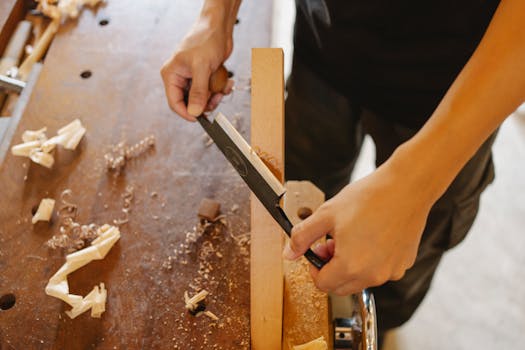
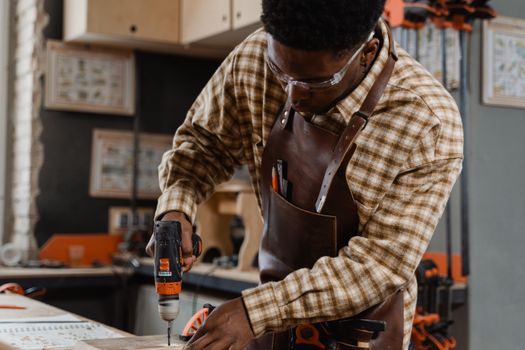
A Furniture Maker is someone who designs, creates, and repairs all sorts of furniture, from chairs and tables to wardrobes and cabinets. This job involves working mostly with wood, but you might also use other materials like metal, glass, or fabric. You need to be really good with your hands and enjoy making things. You might start by drawing plans and choosing the best wood for the project. Then, you will use tools like saws, chisels, and sanders to cut, shape, and join pieces of wood together. It is a bit like being an artist, but instead of painting, you are sculpting with wood to make something beautiful and useful. This career is perfect if you like solving problems and seeing a project through from start to finish. You will need to be very precise and pay close attention to detail to make sure everything fits together perfectly and looks great. Furniture Makers often work in workshops, and sometimes they get to meet customers to understand exactly what kind of furniture they want. It is a satisfying job because you get to create lasting items that people will use and enjoy in their homes.

Furniture Maker

Flag Media

Please select a reason for flagging this content.

📊 Statistics

Average Starting Salary

A new Furniture Maker in the UK might start on a salary of around 16,000 to 20,000 pounds per year.

Experienced Salary

With more experience, a Furniture Maker could earn between 22,000 and 35,000 pounds annually. Very skilled or self-employed makers might earn even more.

Number of Positions

There are many small businesses and workshops across the UK employing furniture makers. While not a huge industry, there are steady opportunities for skilled craftspeople, with apprenticeships often available.

🚀 Careers in this path

Flag Media

Please select a reason for flagging this content.

Cabinet Maker

Making beautiful wooden cupboards, shelves, and other storage furniture for homes and businesses. You would learn how to measure, cut, and join wood to create custom pieces.

Flag Media

Please select a reason for flagging this content.

Upholsterer

Repairing and recovering old chairs, sofas, and other soft furniture. You would learn about different fabrics, foams, and how to use tools to give old furniture a new look.

Flag Media

Please select a reason for flagging this content.

Set Designer for Theatre/TV

Designing and building the furniture and props that you see on stage or in TV shows. You would combine your furniture making skills with creativity to bring a story to life.

Discover Your Passion

Get Creative at Home

Start by exploring your interest in making things with your hands, especially with wood or other materials that furniture is made from.

Try building simple models using craft sticks, cardboard, or even LEGOs to get a feel for design and construction. You could also help out with DIY projects around your home, like putting together flat-pack furniture or repairing a wobbly chair. This helps you understand how things fit together and the satisfaction of creating something practical.

Learn About Different Woods

Find out about the different types of wood and materials that furniture makers use and why they choose them.

Woods like oak, pine, and mahogany each have different strengths, colours, and textures, making them suitable for different types of furniture. You can learn about these by visiting local timber yards, reading books or websites about woodworking, or even watching videos online. Understanding materials is key to designing strong and beautiful furniture.

Visit Workshops or Museums

See real furniture makers at work or explore historical furniture to understand the craft better.

Visiting a local woodworking shop or furniture maker's studio can show you the tools, techniques, and types of projects they work on. You could also visit museums that have antique furniture collections to see how designs have changed over time and appreciate the skill involved in older pieces. This can inspire your own ideas and show you the possibilities within the craft.

Develop Your Skills

Take Design & Technology Classes

In secondary school, choose Design & Technology (DT) to learn practical skills and how to design and make things.

DT classes will teach you how to use tools safely, work with different materials like wood and plastic, and understand basic design principles. You'll get to complete your own projects, which is fantastic for building a portfolio of your work. This subject is really important for anyone thinking about a career in making things, including furniture.

Try a Short Course or Workshop

Look for local clubs or short courses where you can learn basic woodworking or craft skills outside of school.

Community centres, local colleges, or even private workshops sometimes offer weekend or evening courses in basic woodworking, carving, or joinery. These are great opportunities to learn new skills from experienced crafters and use specialist equipment in a safe environment. It's a fun way to try out the craft and see if you really enjoy it.

Practise Your Drawing & Design

Improve your drawing skills to help you sketch out your ideas for furniture before you start making them.

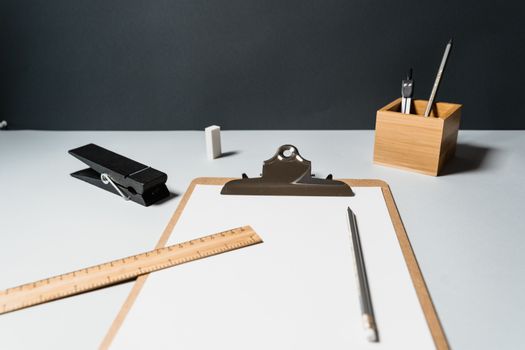
Learning to draw helps you plan your projects, think about measurements, and visualise how your furniture will look. You don't need to be an amazing artist; simple sketches that show your ideas clearly are enough. You can also try using computer programmes for 3D design if you enjoy technology, which many modern furniture makers use.

Future Education & Training

Consider Further Education

After secondary school, look into college courses or apprenticeships in furniture design, making, or joinery.

Colleges often offer BTEC or NVQ courses that focus on practical skills and the theory behind furniture making. These programmes can last from one to three years and give you a qualification that is recognised in the industry. They cover everything from design and construction to the use of machinery and different materials.

Search for an Apprenticeship

An apprenticeship lets you learn on the job with a real furniture maker, earning money while you train.

Apprenticeships are a fantastic way to gain hands-on experience and learn from skilled professionals. You'll work in a workshop, gaining practical skills and knowledge directly from experienced craftspeople, usually while also attending college part-time for formal learning. It's a great path if you prefer learning by doing and want to start your career sooner.

Build a Portfolio of Your Work

Keep examples of all the furniture or wooden items you have made, including sketches and designs.

A portfolio is like a show-and-tell of your best work. It demonstrates your skills, creativity, and passion to potential employers or art schools. Include photos of finished pieces, drawings, and even notes about your design process. Even simple projects you made at home or school are valuable additions. This will be very important when applying for jobs or further studies.

🎬 Useful Videos

🎯 View Apprenticeships

Explore relevant apprenticeships that can help you kickstart your career in Furniture Maker. Apprenticeships offer hands-on experience and training while earning a wage.

Career Progressions

This page showcases various career options and the pathways to reach them. Each career listed here shares transferable skills and knowledge, making it easier for individuals to transition between them.

Your current career is highlighted to help you see how it fits into the broader landscape of potential career choices. By clicking on any career, you can learn more about it, including the training and education required to pursue it.

Remember, progressing in your career often involves further learning and training. This page provides insights into future career options as well as those that can lead up to your current one.

These career progression decisions are informed by comparing the skills and knowledge needed for different occupations, along with data on how people move between them. Explore the possibilities and discover the exciting journey ahead in your career!

Sample Qualifications

The user's input 'Furniture Maker' directly corresponds to the official job title 'Furniture maker', indicating identical core duties of constructing furniture.

How to become

You can get into this job through:

  • a college course
  • an apprenticeship
  • applying directly

College

You could do a college course to get some of the skills needed for a trainee position with a company. 

Courses include:

  • furniture making
  • furniture design
  • wood machining
  • furnishings - traditional and modern upholstery
  • T Level in Craft and Design

Entry requirements

Entry requirements for these courses vary.

  • 4 or 5 GCSEs at grades 9 to 4 (A* to C), or equivalent, including English and maths for a T Level

More Information

Apprenticeship

You can apply to do a Level 2 Intermediate Apprenticeship with a furniture manufacturing business. There are several to choose from, including:

  • Furniture Manufacturer
  • Furniture Making Operative
  • Mattress Manufacturing Operative
  • Wood Product Manufacturing Operative

You can also apply for a Level 3 Advanced Apprenticeship, such as:

  • Bespoke Furniture Maker
  • Advanced Furniture CNC Technician
  • Fitted Furniture Design Technician
  • Advanced Upholsterer

Entry requirements

You'll usually need:

  • some GCSEs, usually including English and maths, or equivalent, for an intermediate apprenticeship
  • 5 GCSEs at grades 9 to 4 (A* to C), or equivalent, including English and maths, for an advanced apprenticeship

More Information

Direct Application

You could apply directly for jobs if you have experience and qualifications in furniture or cabinet making, carpentry or upholstery.

More Information

Professional and industry bodies

You could join The Furniture Makers' Company or the Association of Master Upholsterers and Soft Furnishers for professional development training opportunities and to make industry contacts.

Interested in More Career Paths?

Explore other careers or use our AI to discover personalised paths based on your interests.

Stay connected

Join our newsletter to stay up to date on features and releases

Address
Developing Experts Limited
Exchange Street Buildings
35-37 Exchange Street
Norwich
NR2 1DP
UK

Phone
01603 273515

Email
[email protected]

Copyright 2026 Developing Experts, All rights reserved.
