
Creating Career Path...

Finding Further Careers...

Furniture Maker

View this career for different education levels:

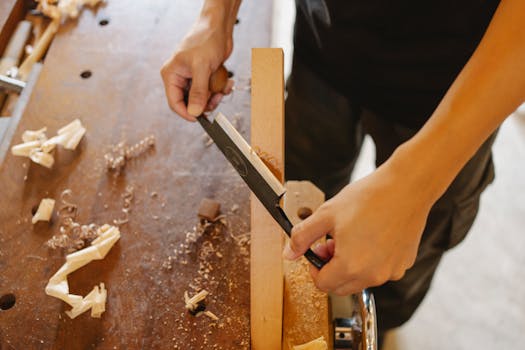
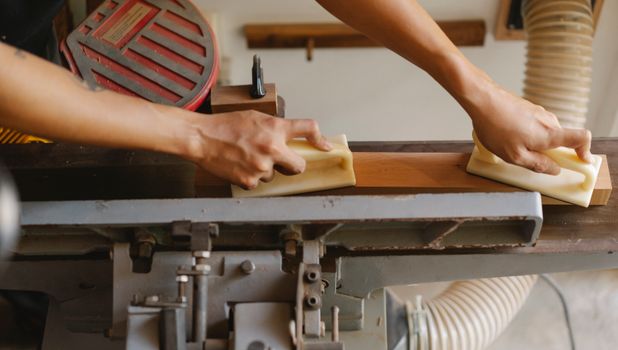
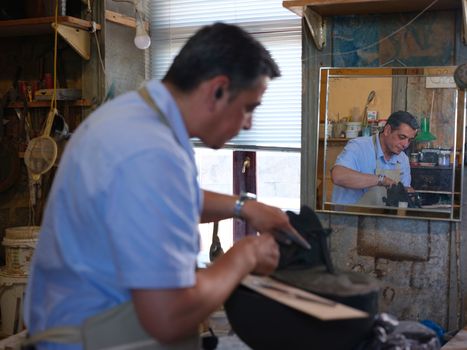
A Furniture Maker, often referred to as a Cabinet Maker or Wood Machinist depending on specialisation, is a skilled craftsperson who designs, constructs, repairs, and finishes wooden furniture. This career involves a blend of artistic flair and technical precision. You could be working on anything from a custom-designed dining table and chairs for a private client, to fitted wardrobes, kitchen units, or restoring antique pieces. Typical daily tasks might include interpreting drawings and specifications, selecting appropriate timber and materials, cutting and shaping wood using both hand tools and machinery, assembling components using various joinery techniques, and applying finishes such as polishing, waxing, or varnishing. Health and safety are paramount, especially when operating machinery. Many furniture makers also get involved in the design process, collaborating with clients to bring their visions to life, making communication skills just as important as manual dexterity. It's a hugely rewarding career for those who enjoy working with their hands and seeing a tangible product of their skill and creativity.

Furniture Maker

Flag Media

Please select a reason for flagging this content.

📊 Statistics

Average Salary (UK)

Starting salaries for furniture makers in the UK typically range from 18,000 to 22,000 pounds per year. Experienced professionals with specialist skills or those running their own workshops can earn between 25,000 and 35,000 pounds, with highly skilled artisans or designers potentially exceeding 40,000 pounds.

Weekly Working Hours

Most full-time furniture makers in the UK work around 37-40 hours per week. This can vary depending on whether they are employed by a larger company, work for a small bespoke workshop, or are self-employed, where hours might be more flexible but potentially longer during busy periods.

Job Outlook

While larger-scale furniture manufacturing jobs have seen some shifts, the demand for skilled bespoke furniture makers and restorers in the UK remains steady. There's a particular appreciation for handcrafted and sustainable pieces, creating opportunities in smaller workshops and for self-employed craftspeople.

🚀 Careers in this path

Flag Media

Please select a reason for flagging this content.

Cabinet Maker

Specialises in crafting fine furniture, particularly cabinets, wardrobes, and bespoke storage solutions. This role often involves detailed joinery, material selection, and finishing to a high standard. A good option for someone keen on precision and custom work.

Flag Media

Please select a reason for flagging this content.

Upholsterer

Focuses on the restoration or creation of soft furnishings for furniture, such as chairs, sofas, and headboards. This involves working with fabrics, springs, foam, and webbing. Great for someone who enjoys combining woodworking with textiles and has an eye for comfort and aesthetics.

Flag Media

Please select a reason for flagging this content.

Bespoke Furniture Designer

Combines artistic vision with practical knowledge of woodworking to design unique, custom pieces for clients. This role involves client consultation, sketching, CAD design, and often overseeing the manufacturing process. Ideal for a creative individual with a strong understanding of materials and construction techniques.

Build Foundational Skills

Gain Woodworking Basics

Start by acquiring fundamental woodworking skills and safety practices, which are essential for any aspiring furniture maker.

Consider taking an introductory course at a local college, community workshop, or through online tutorials. Focus on learning about different types of timber, hand tool usage (chisels, planes, saws), basic power tool operation (routers, sanders), measuring and marking techniques, and understanding joinery methods like dovetails and mortise and tenon. Safety is paramount, so familiarise yourself with Personal Protective Equipment (PPE) and safe machine operation.

Explore Formal Education or Apprenticeship

Decide on a structured learning path, either through further education or practical apprenticeship, to deepen your knowledge and skills.

Look into Level 2 or Level 3 Diplomas or NVQs in Furniture Making, Cabinet Making, or Bench Joinery offered by colleges across the UK. These programmes provide comprehensive training in design, construction, and finishing. Alternatively, seek out an apprenticeship with an experienced furniture maker or workshop. Apprenticeships offer hands-on experience, mentorship, and a chance to learn directly from industry professionals while earning a wage.

Develop Design Principles

Understand the principles of furniture design, including aesthetics, ergonomics, and functionality, to create well-conceived pieces.

Study design history, contemporary furniture trends, and the elements of good design. Learn about material properties beyond wood, such as metals, glass, and upholstery, and how they can be incorporated. Practise sketching and technical drawing, potentially using CAD software, to bring your ideas to life before cutting any timber. Consider taking short courses in design or even basic art and sculpture to hone your eye for form and proportion.

Gain Practical Experience

Build a Portfolio

Create a strong portfolio showcasing your best work to demonstrate your skills and unique style to potential employers or clients.

Your portfolio should include high-quality photographs of finished pieces, design sketches, technical drawings, and perhaps even process shots. Document the challenges you overcame and the skills you employed on each project. Start with smaller, personal projects if you haven't worked professionally yet. A well-curated portfolio is crucial for securing jobs, commissions, or even further educational opportunities.

Seek Workshop Experience

Gain hands-on experience by working in a professional workshop, either through employment, internships, or volunteering.

Look for entry-level positions like workshop assistant, junior cabinet maker, or intern. This allows you to work alongside experienced professionals, learn workshop routines, and get accustomed to producing work to client specifications and deadlines. Networking within the industry can also open doors to these opportunities. Be proactive in reaching out to local furniture makers and small businesses.

Specialise Your Craft

Consider specialising in a particular area of furniture making to develop niche expertise and market appeal.

You might specialise in bespoke joinery, antique restoration, modern furniture design, specific materials (e.g., bentwood, marquetry), or even production furniture. Specialisation can help you stand out in a competitive market and attract specific types of clients. Continuously research new techniques, tools, and materials to stay at the forefront of your chosen specialism.

Establish Your Career

Network and Promote

Actively network with other professionals, attend industry events, and promote your work to build your reputation and client base.

Join professional organisations such as The Furniture Makers' Company or local craft guilds. Attend trade shows, craft fairs, and design exhibitions. Create a professional website and use social media platforms (like Instagram or Pinterest) to showcase your portfolio and process. Word-of-mouth is powerful in this industry, so always strive for excellent craftsmanship and client satisfaction.

Consider Self-Employment

Explore the possibility of setting up your own furniture making business, offering bespoke services or selling your designs.

This involves developing a business plan, managing finances, marketing your services, and potentially setting up your own workshop. You'll need to understand pricing, sourcing materials, client communication, and project management. Starting small, perhaps from a home workshop, can be a good way to test the waters before scaling up. Seek advice from business support organisations if you plan to go freelance.

Continual Learning & Development

Commit to lifelong learning to refine your skills, adapt to new technologies, and stay inspired within the craft.

The world of design and craftsmanship is always evolving. Attend advanced workshops, experiment with new tools and materials, and keep an eye on emerging trends. Reading industry journals and visiting exhibitions can also provide ongoing inspiration. Continuous professional development ensures your skills remain sharp and your work stays innovative and relevant.

🎬 Useful Videos

🎯 View Apprenticeships

Explore relevant apprenticeships that can help you kickstart your career in Furniture Maker. Apprenticeships offer hands-on experience and training while earning a wage.

Career Progressions

This page showcases various career options and the pathways to reach them. Each career listed here shares transferable skills and knowledge, making it easier for individuals to transition between them.

Your current career is highlighted to help you see how it fits into the broader landscape of potential career choices. By clicking on any career, you can learn more about it, including the training and education required to pursue it.

Remember, progressing in your career often involves further learning and training. This page provides insights into future career options as well as those that can lead up to your current one.

These career progression decisions are informed by comparing the skills and knowledge needed for different occupations, along with data on how people move between them. Explore the possibilities and discover the exciting journey ahead in your career!

Sample Qualifications

This is the most direct and accurate match as 'Furniture maker' explicitly describes the craftsperson who constructs furniture, aligning perfectly with the user's input.

How to become

You can get into this job through:

  • a college course
  • an apprenticeship
  • applying directly

College

You could do a college course to get some of the skills needed for a trainee position with a company. 

Courses include:

  • furniture making
  • furniture design
  • wood machining
  • furnishings - traditional and modern upholstery
  • T Level in Craft and Design

Entry requirements

Entry requirements for these courses vary.

  • 4 or 5 GCSEs at grades 9 to 4 (A* to C), or equivalent, including English and maths for a T Level

More Information

Apprenticeship

You can apply to do a Level 2 Intermediate Apprenticeship with a furniture manufacturing business. There are several to choose from, including:

  • Furniture Manufacturer
  • Furniture Making Operative
  • Mattress Manufacturing Operative
  • Wood Product Manufacturing Operative

You can also apply for a Level 3 Advanced Apprenticeship, such as:

  • Bespoke Furniture Maker
  • Advanced Furniture CNC Technician
  • Fitted Furniture Design Technician
  • Advanced Upholsterer

Entry requirements

You'll usually need:

  • some GCSEs, usually including English and maths, or equivalent, for an intermediate apprenticeship
  • 5 GCSEs at grades 9 to 4 (A* to C), or equivalent, including English and maths, for an advanced apprenticeship

More Information

Direct Application

You could apply directly for jobs if you have experience and qualifications in furniture or cabinet making, carpentry or upholstery.

More Information

Professional and industry bodies

You could join The Furniture Makers' Company or the Association of Master Upholsterers and Soft Furnishers for professional development training opportunities and to make industry contacts.

Interested in More Career Paths?

Explore other careers or use our AI to discover personalised paths based on your interests.

Stay connected

Join our newsletter to stay up to date on features and releases

Address
Developing Experts Limited
Exchange Street Buildings
35-37 Exchange Street
Norwich
NR2 1DP
UK

Phone
01603 273515

Email
[email protected]

Copyright 2026 Developing Experts, All rights reserved.
