Creating Career Path...

Finding Further Careers...

Potter

View this career for different education levels:

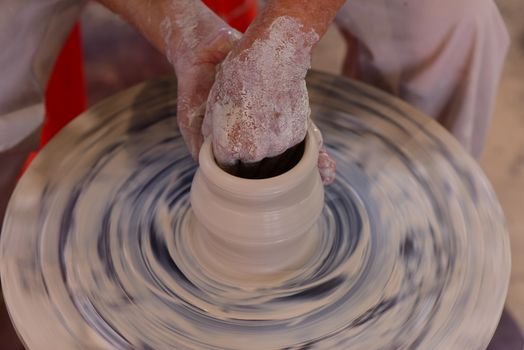
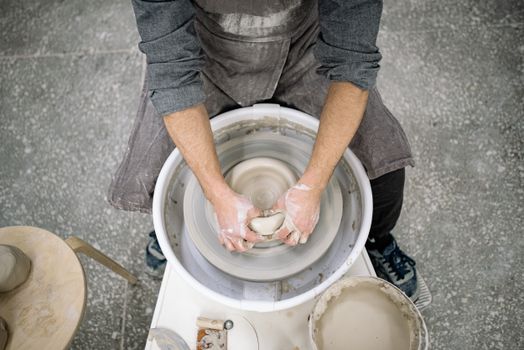
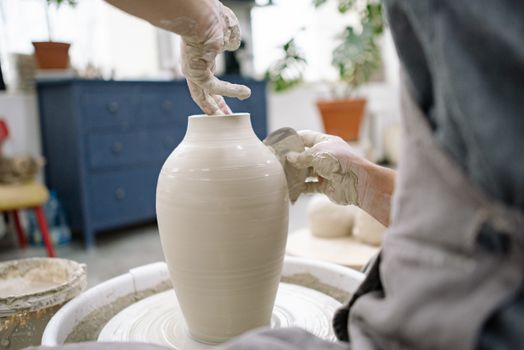
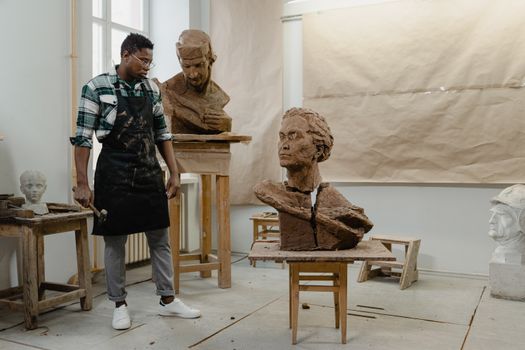
A potter is a skilled artisan who creates objects from clay and other ceramic materials using a range of techniques. This can involve throwing clay on a potter's wheel to create symmetrical forms like bowls and vases, or hand-building methods such as coiling, slab building, or pinching for more sculptural pieces. The process typically includes preparing the clay, forming the object, drying it thoroughly, firing it in a kiln (a special oven for ceramics), and then often glazing and refiring it to achieve a desired finish, colour, and durability. Potters might specialise in functional pottery for everyday use, decorative art pieces, or even large-scale sculptural installations. Working as a potter often involves a blend of artistic vision, technical skill, and a deep understanding of materials science, including glazes and firing temperatures. Many potters are self-employed, running their own studios, selling their work through galleries, craft fairs, online platforms, or taking commissions. Others might work as studio technicians, teach pottery classes, or be employed in larger ceramic production companies. It's a career that demands patience, precision, and continuous learning, as mastering the craft takes years of dedication and practice.

Potter

Flag Media

Please select a reason for flagging this content.

📊 Statistics

Average UK Salary (Ceramic Artist/Maker)

Salaries for potters and ceramic artists in the UK can vary significantly based on experience, reputation, and whether they work independently or for a company. A self-employed potter's income is often tied to sales volume and pricing. For those in employed roles, Glassdoor suggests an average base pay for a 'Ceramic Artist' in the UK around £25,000 per year, though this can range from entry-level positions earning closer to £18,000 to experienced artists or those in management roles earning over £35,000.

Number of Positions (Artisanal Craft)

While specific data for 'potter' positions is challenging to isolate, the broader 'Artistic, literary and media occupations' category in the UK covers a wide range of creative roles. The Office for National Statistics (ONS) reported approximately 342,000 people employed in this category in Q4 2023. Within this, the craft sector, including pottery, is typically made up of a large number of self-employed individuals and small businesses rather than a high volume of employed roles. Opportunities often come from studio apprenticeships, running workshops, or setting up one's own business.

Growth in Arts and Crafts Sector

The UK's arts and crafts sector has shown resilience and growth, particularly with increased interest in handmade and unique items. The Crafts Council UK highlights the craft sector as a significant contributor to the creative economy, with an estimated value of £3.4 billion in 2022. This suggests a healthy market for skilled potters who can produce high-quality, desirable products, offer workshops, or secure commissions.

🚀 Careers in this path

Flag Media

Please select a reason for flagging this content.

Ceramic Artist

If you enjoy the creative aspects of pottery, becoming a Ceramic Artist allows you to design and create unique ceramic pieces, ranging from functional ware to sculptures. This path often involves developing a distinctive style and potentially selling your work through galleries, markets, or online platforms. You could also offer workshops.

Flag Media

Please select a reason for flagging this content.

Pottery Tutor or Workshop Leader

Leverage your skills by teaching pottery to others. This could involve leading workshops for beginners, teaching in community centres, art schools, or even setting up your own studio for classes. It combines your passion for pottery with sharing knowledge and fostering creativity in others, offering a rewarding experience.

Flag Media

Please select a reason for flagging this content.

Production Potter for a Studio

Rather than teaching or creating one-off art pieces, you could work within a larger pottery studio or small business producing a consistent line of ceramic products. This might involve throwing multiple pieces of the same design, glazing, and firing them for sale. It requires precision, efficiency, and consistency.

Foundation & Skill Building

Explore the Craft

Begin by familiarising yourself with the fundamental techniques and diverse styles of pottery. This initial phase is about hands-on exploration and understanding the basics.

Join a local pottery workshop or evening class to get practical experience. Many community centres, art schools, and independent studios across the UK offer introductory courses covering hand-building (e.g., pinch pots, coil pots, slab work) and basic wheel-throwing. Experiment with different clay types to understand their properties. Visit galleries or exhibitions featuring ceramic art to inspire your aesthetic and technical understanding of what's possible in the medium.

Formal Education (Optional but Recommended)

Consider enrolling in a college or university programme to gain a comprehensive understanding of ceramic art and design, alongside developing advanced skills.

While not strictly essential, a HND, Foundation Degree, or BA (Hons) in Ceramics, 3D Design, or Fine Art can provide a structured learning environment, access to professional equipment, and critical feedback. Institutions like Central Saint Martins, Cardiff Met, and Manchester Met offer excellent programmes. These courses often cover art history, design principles, advanced throwing and hand-building, glaze chemistry, kiln operation, and professional practice, which are invaluable for a serious career. They also provide opportunities for networking with peers and established artists.

Set Up a Home Studio

Establish a dedicated space where you can practise regularly and develop your personal style without the constraints of shared facilities.

Even a small corner of a garage, shed, or spare room can be transformed into a functional pottery studio. Initially, you might only need basic tools, a sturdy table, and space for drying. As you progress, consider investing in a potter's wheel (new or second-hand) and perhaps a small electric kiln. Research local regulations regarding kiln installation and ventilation. Having your own space allows for continuous experimentation, refining techniques, and building a consistent body of work, which is crucial for development.

Skill Refinement & Specialisation

Master Core Techniques

Focus on perfecting your wheel-throwing or hand-building skills, achieving consistency, and exploring various forms and functions.

Dedicate significant time to repetition and practice. For wheel-throwing, aim for consistency in wall thickness, centering, and form. Experiment with different types of forms – bowls, mugs, vases, platters – and consider their functionality. For hand-building, explore more complex structures and sculptural forms. Attend advanced workshops focused on specific techniques like large-scale throwing, decorative surfacing, or intricate sculptural methods. Seek feedback from experienced potters to identify areas for improvement.

Explore Glaze & Firing

Develop an understanding of glaze chemistry, application methods, and various firing techniques to achieve desired aesthetic and functional outcomes.

Glaze development is a critical aspect of pottery. Learn about different types of glazes (e.g., stoneware, earthenware, raku, porcelain) and their chemical compositions. Experiment with various application techniques like dipping, brushing, spraying, and pouring. Understand how firing temperatures and atmospheres (oxidation, reduction) impact glazes and clay bodies. If you have access to a kiln, begin experimenting with your own glaze recipes. Books, online resources, and specialised workshops are excellent for deepening this knowledge.

Develop a Signature Style

Cultivate a unique artistic voice that differentiates your work from others, reflecting your personal aesthetic and values.

This stage involves introspection and experimentation. What themes are you drawn to? What forms or surface decorations resonate with you? Look at the work of other artists, but always strive for originality. Your signature style might emerge from your choice of clay, specific glazes, decorative motifs, or the overall feeling your pieces evoke. Don't be afraid to experiment and even fail; every experiment is a step towards defining your artistic identity. Building a cohesive body of work will be essential for exhibitions and sales.

Professional Practice & Career Launch

Build a Portfolio & Online Presence

Create a professional portfolio showcasing your best work and establish an online presence to reach potential customers and galleries.

Take high-quality photographs of your finished pieces from multiple angles. A strong portfolio should highlight your range of skills, consistency, and unique style. Create a professional website or an online shop (e.g., Etsy, Shopify) to display your work, share your story, and handle sales. Utilise social media platforms like Instagram and Pinterest to share your process, new creations, and engage with a wider audience. Consistent and aesthetically pleasing content is key to attracting interest.

Market & Sell Your Work

Engage in various avenues to sell your pottery, from local markets to gallery representation, to establish your career.

Start by participating in local craft fairs, art markets, and open studio events in your area. This provides direct interaction with customers and valuable feedback. Approach independent galleries, gift shops, and art centres that might be interested in stocking your work on a consignment or wholesale basis. Attend trade shows relevant to craft and design. Consider collaborating with other artists or designers. Networking within the arts community is crucial for discovering new opportunities and making connections.

Continuous Learning & Growth

Stay updated with new techniques, materials, and trends in the ceramic world to keep your work fresh and engaging.

The world of ceramics is constantly evolving. Attend masterclasses, workshops, and artist talks. Read ceramic journals and magazines (e.g., Ceramic Review, Pottery Barn). Experiment with new materials, glazes, and firing methods. Visit international ceramic exhibitions to broaden your perspective. Networking with fellow potters, joining ceramic associations (e.g., Craft Potters Association), and seeking mentorship can also provide invaluable insights and support for long-term growth and innovation in your craft.

🎯 View Apprenticeships

Explore relevant apprenticeships that can help you kickstart your career in Potter. Apprenticeships offer hands-on experience and training while earning a wage.

Career Progressions

No career progressions found for Potter

Sample Qualifications

A Potter creates ceramic items, often involving both the design and manual production of these items, which directly aligns with the role of a Ceramics designer-maker.

How to become

You can get into this job through:

  • a university course
  • a college course
  • an apprenticeship
  • working towards this role
  • workshop courses with a private studio

University

You could do a foundation degree, higher national diploma or degree in an art and craft subject like:

  • visual arts
  • 3D design and craft
  • ceramics
  • fine art

Entry requirements

You'll usually need:

  • a foundation diploma in art and design
  • 1 or 2 A levels, or equivalent, for a foundation degree or higher national diploma
  • 2 to 3 A levels, or equivalent, for a degree

More Information

College

You could do a Level 3 Diploma in Art and Design at college. You'll need to check that the course covers ceramics or pottery before you start.

An interest in art and crafts is usually more important than qualifications to join a course.

Entry requirements

Entry requirements for these courses vary.

More Information

Apprenticeship

You can apply to do a Craft Technician Level 3 Advanced Apprenticeship with a design studio or workshop.

This can take up to 2 years to complete.

Entry requirements

You'll usually need:

  • 5 GCSEs at grades 9 to 4 (A* to C), or equivalent, including English and maths, for an advanced apprenticeship

More Information

Work

You could start as a design studio assistant and specialise in ceramics through workshops and training on the job.

Other Routes

You could attend workshops and training courses offered by ceramic artists and design studios. These can help you to develop your skills and make contacts in the industry, which could lead to work.

Courses vary in length and cost and are often open to all abilities.

More Information

Career tips

You'll need to put together a portfolio of work to show to potential employers and course providers. You can also use social media and online craft communities to market yourself and get your work recognised.

Further information

You can learn more about the life of a ceramics designer from the Crafts Council.

Interested in More Career Paths?

Explore other careers or use our AI to discover personalised paths based on your interests.

Stay connected

Join our newsletter to stay up to date on features and releases

Address
Developing Experts Limited
Exchange Street Buildings
35-37 Exchange Street
Norwich
NR2 1DP
UK

Phone
01603 273515

Email
[email protected]

Copyright 2026 Developing Experts, All rights reserved.
