Creating Career Path...

Finding Further Careers...

Potter

View this career for different education levels:

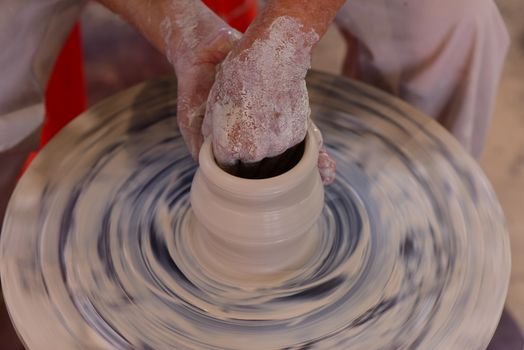
Being a potter means you get to play with clay and make all sorts of wonderful things! You use your hands and special tools to shape wet clay into bowls, mugs, plates, sculptures, or even tiles. Once you have shaped your clay, it needs to dry a bit before it goes into a very hot oven called a kiln. This makes the clay hard and strong. After the first bake, you might paint your creations with special glazes, which are like colourful liquid glass. Then, they go back into the kiln for another bake, which makes them shiny and colourful, and safe to use for food or just to look at. Potters need to be patient, artistic, and enjoy working with their hands to turn a lump of clay into a beautiful piece of art.

Potter

Flag Media

Please select a reason for flagging this content.

📊 Statistics

Average Salary for a Potter

In the UK, a potter might earn around 18,000 to 25,000 pounds a year, especially when starting out or working for a small business. If they become very famous or run a successful pottery, they could earn more.

Number of Potters in the UK

It is a creative job, so there are not as many full-time potters as some other jobs. However, many people enjoy pottery as a hobby, and there are likely a few thousand professional potters or ceramic artists across the UK.

Starting a Pottery Business

Many potters choose to set up their own small business or studio. This allows them to make their own special creations and sell them directly to people, often at craft fairs, markets, or online.

🚀 Careers in this path

Flag Media

Please select a reason for flagging this content.

Ceramic Artist

Someone who makes beautiful things from clay, like bowls, plates, and sculptures. You get to use a pottery wheel and paint your creations.

Flag Media

Please select a reason for flagging this content.

Pottery Teacher

Someone who teaches other children and grown-ups how to work with clay and make lovely pottery. You show them all the cool tricks.

Flag Media

Please select a reason for flagging this content.

Model Maker (Clay)

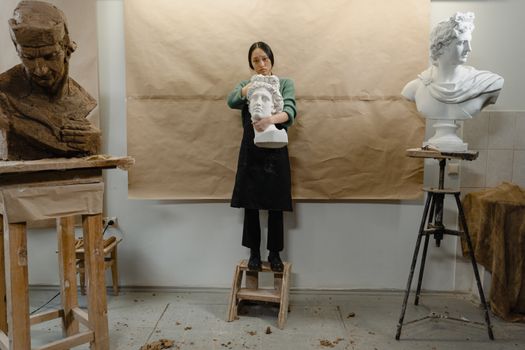
Someone who sculpts small models and figures out of clay for games, stories, or just for fun. You can make characters or tiny buildings.

Playing with Clay

Get Messy!

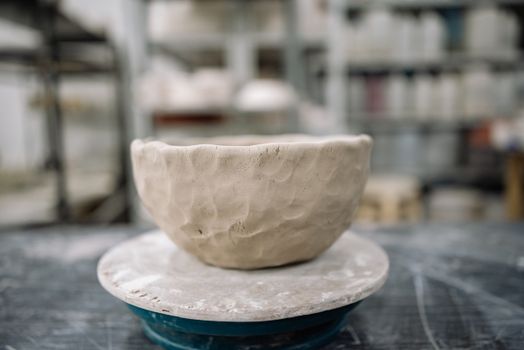
Start by playing with play-doh or air-dry clay at home. Squish it, roll it, and try to make different shapes. This helps your hands learn how clay feels.

Playing with play-doh or air-dry clay is a fantastic way to begin. These materials are safe and easy for young children to handle. Try making simple shapes like balls, snakes, or flat pancakes. You can also experiment with pressing objects into the clay to make patterns. This helps develop fine motor skills and encourages creativity without the need for special equipment or firing.

Visit a Pottery Shop

Ask a grown-up to take you to a shop that sells pottery. Look at all the different things potters make, like colourful mugs and fancy plates.

Visiting a pottery shop, local market stall, or even a museum with ceramic displays can be incredibly inspiring. Pay attention to the variety of items available, from functional dinnerware to decorative sculptures. Notice the different glazes, colours, and textures. This exposure helps you understand the wide range of possibilities within pottery and sparks ideas for what you might want to create yourself one day.

Watch a Potter at Work

See if you can find videos online of potters shaping clay on a spinning wheel. It's like magic how they make things grow from a lump of clay!

There are many wonderful videos on websites like YouTube that show potters working. Look for videos that demonstrate throwing on a potter's wheel, hand-building techniques, or even glazing. Seeing the process unfold can be fascinating and helps you understand the steps involved in transforming raw clay into a finished piece. It's a great way to learn visually about the tools and techniques potters use.

Learning New Tricks

Try a Pottery Class

When you're a bit older, you could join a pottery club or a class. A teacher will show you how to use real clay and tools safely.

Local art centres, community colleges, or even some primary schools offer pottery classes for children. These classes provide a structured environment to learn fundamental techniques. You'll be taught how to prepare clay, basic hand-building methods like pinch pots and coil building, and how to use simple tools. Working with a teacher ensures you learn good habits and safety practices, especially when dealing with clay that needs to be fired in a kiln.

Experiment with Glazes

Learn about the special paints called glazes that potters use. These make your clay creations colourful and shiny after they've been baked!

Glazes are like magical paints for pottery. They are liquid solutions that, when applied to clay and fired in a very hot oven called a kiln, melt and turn into a colourful, glassy coating. You'll learn how to apply glazes carefully, understanding that their final colour can look very different before and after firing. Experimenting with different colours and textures of glazes can add a whole new dimension to your pottery creations, making them beautiful and waterproof.

Practise, Practise, Practise!

Keep making things! The more you practise, the better your hands will get at shaping clay and making exactly what you want.

Like any skill, becoming a good potter takes lots of practice. Don't worry if your first few attempts aren't perfect; every piece you make teaches you something new. Try making things for friends and family, or just for fun. Focus on improving your control over the clay, making your walls even, and experimenting with different forms. The more you work with clay, the more intuitive your movements will become, and you'll develop your own unique style.

Becoming a Real Potter

Go to Art College

When you're older, you might go to an art college or university to learn even more about pottery and art, and meet other creative people.

For those serious about a career in pottery, pursuing further education at an art college or university is a great path. These programmes offer in-depth training in ceramic techniques, art history, design principles, and business skills. You'll work with advanced equipment, learn from experienced artists, and develop a strong portfolio of your work. It's also a fantastic opportunity to network with other artists and gain a broader understanding of the art world.

Set Up Your Own Studio

You could have your very own pottery studio where you make and sell your creations. It's a special place just for your art!

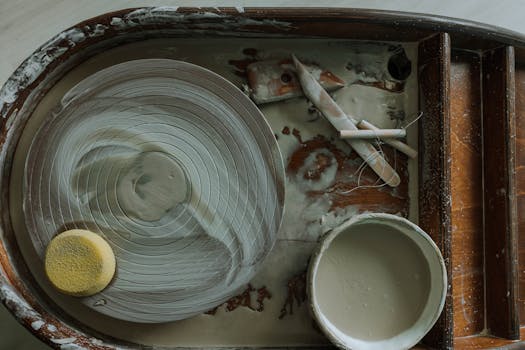
Many potters dream of having their own studio. This could be a dedicated space at home, a shared workshop, or a rented unit. You'll need equipment like a potter's wheel, a kiln, and various tools. Setting up a studio allows you to work independently, develop your unique style, and manage your own creative process. You'll also learn about the business side of being an artist, from sourcing materials to marketing and selling your work.

Share Your Art

Show your beautiful pottery at markets, art shows, or online. People will love to see and buy the wonderful things you've made!

Once you're creating beautiful pottery, sharing it with the world is the next step. You can sell your work at local craft markets, art fairs, or through online shops like Etsy or your own website. Participating in exhibitions at galleries or community spaces can also help you gain recognition. This is where you connect with customers, receive feedback, and build a reputation for your unique pottery. It's a wonderful feeling to see others appreciate and enjoy the art you've created with your own hands.

🎬 Useful Videos

🎯 View Apprenticeships

Explore relevant apprenticeships that can help you kickstart your career in Potter. Apprenticeships offer hands-on experience and training while earning a wage.

Career Progressions

No career progressions found for Potter

Sample Qualifications

A Potter is someone who creates objects from clay, often involving both design and the physical making process, which aligns perfectly with the role of a Ceramics designer-maker.

How to become

You can get into this job through:

  • a university course
  • a college course
  • an apprenticeship
  • working towards this role
  • workshop courses with a private studio

University

You could do a foundation degree, higher national diploma or degree in an art and craft subject like:

  • visual arts
  • 3D design and craft
  • ceramics
  • fine art

Entry requirements

You'll usually need:

  • a foundation diploma in art and design
  • 1 or 2 A levels, or equivalent, for a foundation degree or higher national diploma
  • 2 to 3 A levels, or equivalent, for a degree

More Information

College

You could do a Level 3 Diploma in Art and Design at college. You'll need to check that the course covers ceramics or pottery before you start.

An interest in art and crafts is usually more important than qualifications to join a course.

Entry requirements

Entry requirements for these courses vary.

More Information

Apprenticeship

You can apply to do a Craft Technician Level 3 Advanced Apprenticeship with a design studio or workshop.

This can take up to 2 years to complete.

Entry requirements

You'll usually need:

  • 5 GCSEs at grades 9 to 4 (A* to C), or equivalent, including English and maths, for an advanced apprenticeship

More Information

Work

You could start as a design studio assistant and specialise in ceramics through workshops and training on the job.

Other Routes

You could attend workshops and training courses offered by ceramic artists and design studios. These can help you to develop your skills and make contacts in the industry, which could lead to work.

Courses vary in length and cost and are often open to all abilities.

More Information

Career tips

You'll need to put together a portfolio of work to show to potential employers and course providers. You can also use social media and online craft communities to market yourself and get your work recognised.

Further information

You can learn more about the life of a ceramics designer from the Crafts Council.

Interested in More Career Paths?

Explore other careers or use our AI to discover personalised paths based on your interests.

Stay connected

Join our newsletter to stay up to date on features and releases

Address
Developing Experts Limited
Exchange Street Buildings
35-37 Exchange Street
Norwich
NR2 1DP
UK

Phone
01603 273515

Email
[email protected]

Copyright 2026 Developing Experts, All rights reserved.
