Creating Career Path...

Finding Further Careers...

Potter

View this career for different education levels:

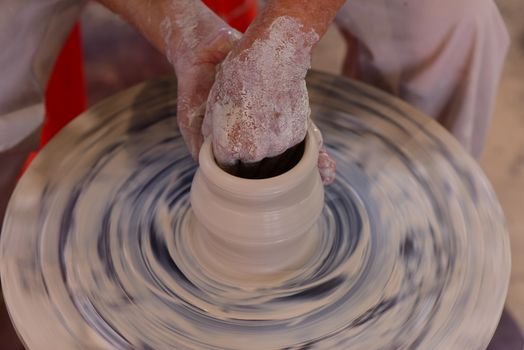
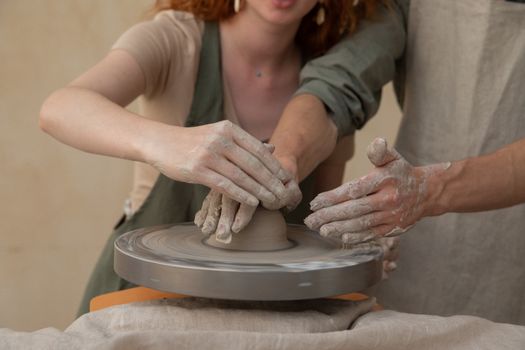
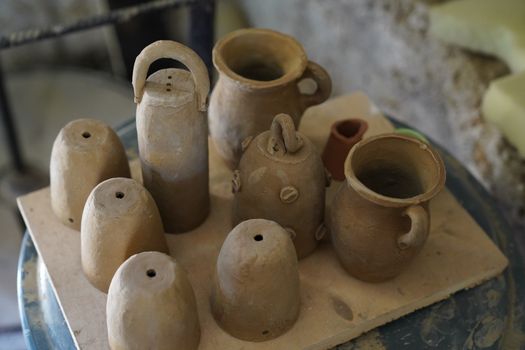
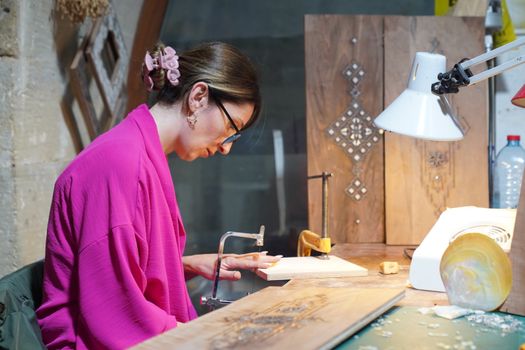
A potter is someone who makes things out of clay, like bowls, plates, mugs, or even decorative sculptures. They use special techniques to shape the clay, often using a spinning wheel called a 'potter's wheel' or by hand-building. Once the clay is shaped, it needs to be dried and then fired in a very hot oven called a 'kiln'. This firing process makes the clay hard and strong, turning it into 'ceramics'. Many potters also glaze their pieces, which is like painting them with a special liquid that melts in the kiln to create a colourful, shiny, and waterproof surface. Being a potter is a mix of art and science. You need to be creative to design unique pieces, but you also need to understand how different types of clay and glazes work and how the kiln will affect them. Potters often work in their own studios, selling their creations at craft fairs, through galleries, or online. It takes patience, skill, and a good eye for detail to become a successful potter. Some potters might also teach workshops or repair ceramic items.

Potter

Flag Media

Please select a reason for flagging this content.

📊 Statistics

Starting Salary

For potters just starting out in the UK, especially if working for a larger studio or producing their own work to sell, an estimated starting salary could be around 17,000 to 20,000 pounds per year. This can vary a lot depending on how much they sell and where they work.

Experienced Salary

Experienced potters in the UK, particularly those with an established reputation or running a successful studio, might earn between 25,000 and 40,000 pounds annually. Very successful artists creating highly sought-after pieces can earn much more.

Number of Positions

Becoming a professional potter often means being self-employed. While exact numbers for 'potter' jobs are hard to find, craft and design professions are competitive. Many potters create their own opportunities by setting up studios, selling online, or at craft markets across the UK.

🚀 Careers in this path

Flag Media

Please select a reason for flagging this content.

Ceramic Artist

If you love making things with clay, this job involves designing and creating beautiful pottery pieces, like bowls, mugs, and sculptures. You could even sell your creations at markets or online.

Flag Media

Please select a reason for flagging this content.

Pottery Teacher

If you enjoy showing others how to make things, you could teach children or adults how to mould and shape clay, use a pottery wheel, and decorate their own unique items.

Flag Media

Please select a reason for flagging this content.

Restoration Expert (Pottery)

If you are careful and good at fixing things, this role involves repairing old or broken pottery and ceramics, making them look new again. You might work in museums or for collectors.

Learn the Basics

Explore Clay

Start by getting hands-on with clay to understand how it feels and what you can do with it.

Look for local art clubs, community centres, or school art classes that offer pottery tasters or workshops. Playing with modelling clay at home can also be a great start to understand how to shape and sculpt. Focus on simple forms first, like pinch pots or coil pots, to get comfortable with the material.

Visit Pottery Studios

See professional potters at work and explore different styles of pottery.

Many potteries or craft centres in the UK offer open days, workshops, or have viewing areas where you can watch potters throw clay on a wheel or hand-build items. This is a fantastic way to see the tools they use, how a kiln works, and the wide variety of items that can be created. You might even get to ask them questions about their job!

Read and Watch

Learn about pottery techniques and history from books, videos, and online resources.

There are many brilliant books for beginners on pottery, covering techniques like hand-building, wheel-throwing, and glazing. Websites like YouTube also host countless tutorials from experienced potters demonstrating different stages of the process. Learning about the history of pottery from different cultures can also inspire your own creative journey.

Develop Your Skills

Join a Pottery Class

Enrol in a structured class to learn core pottery techniques properly.

Finding a local pottery class is a crucial step. A good teacher will guide you through essential techniques like preparing clay, wedging, centering clay on the wheel, forming different shapes, and the basics of glazing and firing. These classes provide access to equipment like pottery wheels and kilns, which are expensive to own yourself.

Practice Regularly

The more you practise, the better you will become at shaping clay.

Pottery requires a lot of muscle memory and control. Try to get regular time on the pottery wheel or practise hand-building techniques as often as you can. Even if you only have access to clay for short periods, consistent practice will help you improve your technique and develop your own style. Don't be afraid to make mistakes – that's how you learn!

Experiment with Glazes and Firing

Learn how to add colour and make your pottery strong and waterproof.

Glazes are like special paints that melt and turn into a glassy coating when fired in a very hot oven called a kiln. Experiment with different types of glazes, colours, and application methods (dipping, brushing, pouring). Understanding how kilns work and the different firing temperatures for various clays and glazes is also a key part of becoming a skilled potter.

Advance Your Craft

Consider Further Education

Think about studying pottery or ceramics at a college or university level.

While not always essential, a college course (like a BTEC or A-levels in Art and Design) or a university degree in Ceramics or Applied Arts can deepen your knowledge. These programmes often cover advanced techniques, design principles, material science, and the business side of being an artist, providing a comprehensive education in the field.

Build a Portfolio

Create a collection of your best pottery pieces to show off your skills.

A portfolio is like a showcase of your work. It should include high-quality photographs of your best pieces, showing a range of techniques, forms, and glazes. This is essential if you want to apply for further education, exhibitions, or sell your work, as it demonstrates your talent and potential to others.

Network and Exhibit

Meet other potters, join craft fairs, and show your creations to the public.

Attending local craft fairs, pottery exhibitions, and joining pottery groups can help you connect with other artists and potential customers. Showing your work in public, even in a small local exhibition, is a great way to get feedback, build confidence, and start to establish yourself as a potter. Many potters also sell their work online through platforms like Etsy.

🎬 Useful Videos

🎯 View Apprenticeships

Explore relevant apprenticeships that can help you kickstart your career in Potter. Apprenticeships offer hands-on experience and training while earning a wage.

Career Progressions

No career progressions found for Potter

Sample Qualifications

A Potter creates objects from clay, which aligns directly with the role of a Ceramics designer-maker who designs and produces ceramic items.

How to become

You can get into this job through:

  • a university course
  • a college course
  • an apprenticeship
  • working towards this role
  • workshop courses with a private studio

University

You could do a foundation degree, higher national diploma or degree in an art and craft subject like:

  • visual arts
  • 3D design and craft
  • ceramics
  • fine art

Entry requirements

You'll usually need:

  • a foundation diploma in art and design
  • 1 or 2 A levels, or equivalent, for a foundation degree or higher national diploma
  • 2 to 3 A levels, or equivalent, for a degree

More Information

College

You could do a Level 3 Diploma in Art and Design at college. You'll need to check that the course covers ceramics or pottery before you start.

An interest in art and crafts is usually more important than qualifications to join a course.

Entry requirements

Entry requirements for these courses vary.

More Information

Apprenticeship

You can apply to do a Craft Technician Level 3 Advanced Apprenticeship with a design studio or workshop.

This can take up to 2 years to complete.

Entry requirements

You'll usually need:

  • 5 GCSEs at grades 9 to 4 (A* to C), or equivalent, including English and maths, for an advanced apprenticeship

More Information

Work

You could start as a design studio assistant and specialise in ceramics through workshops and training on the job.

Other Routes

You could attend workshops and training courses offered by ceramic artists and design studios. These can help you to develop your skills and make contacts in the industry, which could lead to work.

Courses vary in length and cost and are often open to all abilities.

More Information

Career tips

You'll need to put together a portfolio of work to show to potential employers and course providers. You can also use social media and online craft communities to market yourself and get your work recognised.

Further information

You can learn more about the life of a ceramics designer from the Crafts Council.

Interested in More Career Paths?

Explore other careers or use our AI to discover personalised paths based on your interests.

Stay connected

Join our newsletter to stay up to date on features and releases

Address
Developing Experts Limited
Exchange Street Buildings
35-37 Exchange Street
Norwich
NR2 1DP
UK

Phone
01603 273515

Email
[email protected]

Copyright 2026 Developing Experts, All rights reserved.
