Imagine studying some of Earths most powerful and exciting natural events: volcanoes! A volcanologist is a scientist who does exactly that. They study volcanoes to understand how and why they erupt, what they are made of, and what impacts they have on the environment and people. This often involves a mix of field work, which means travelling to volcanic areas around the world to collect samples and observe volcanoes up close, and lab work, where they analyse rocks, gases, and ash samples. They also use lots of high-tech equipment like sensors and drones to monitor volcanic activity from a distance. Their work helps predict eruptions, which can save lives and protect communities. It's a job that requires a lot of curiosity about the natural world, a love for science, and sometimes a willingness to work in remote or challenging locations. Volcanologists in the UK might work at universities as researchers or lecturers, teaching students and conducting new studies. They could also work for organisations like the British Geological Survey, helping to monitor natural hazards. They use their knowledge of geology, chemistry, and physics to understand these incredible natural phenomena. They write scientific papers to share their discoveries and sometimes advise governments or emergency services on how to prepare for volcanic risks, even though the UK doesnt have many active volcanoes itself, British scientists travel all over the world to study them. If you love science, adventure, and want to understand how our planet works, volcanology could be a really exciting career path!
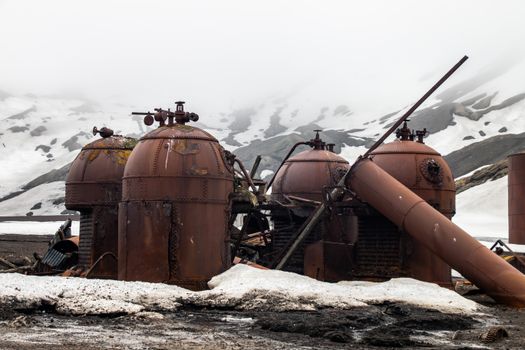
A new volcanologist or research assistant in the UK might expect to earn around 25,000 to 30,000 pounds per year.
With more experience, especially in a senior research or academic role, salaries can range from 35,000 to 50,000 pounds or more annually.
Volcanology is a very specialised field, so there are not a huge number of specific volcanologist jobs in the UK. Most roles are within universities, research institutions like the British Geological Survey, or sometimes in risk assessment for engineering firms.
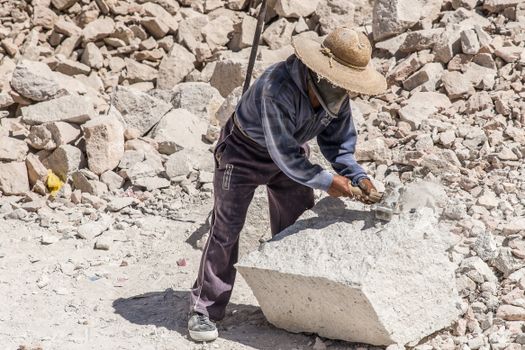
If you're fascinated by volcanoes, you might also love studying all kinds of rocks, mountains, and the Earth's history as a Geologist. You could help find important natural resources or understand how our planet changes.
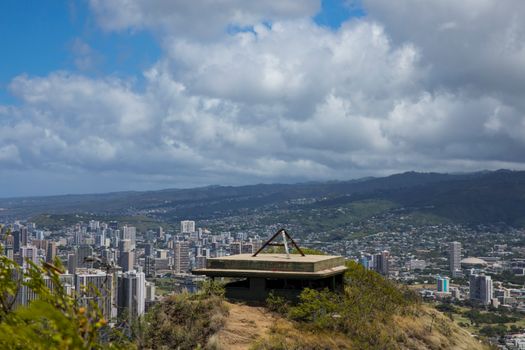
Volcanoes often come with earthquakes. A Seismologist studies earthquakes and seismic waves to understand what's happening deep inside the Earth and how to keep people safe.

Volcanoes can impact the environment quite a lot. An Environmental Scientist might look at how volcanic ash affects air quality, water, or local wildlife, and find ways to protect nature.
Focus on doing really well in science subjects like Physics, Chemistry, and especially Geography and Geology if your school offers it. These subjects teach you about the Earth and the natural world.
At school, try to pay close attention in your science lessons. Understanding concepts like rocks, minerals, plate tectonics, and how the Earth's crust moves is super important for a volcanologist. Geography is also key, as it covers landscapes and natural hazards. If your school has a science club, definitely join it to do extra experiments and learn more!
Read books, watch documentaries, and visit museums about volcanoes, geology, and Earth sciences. The more you learn now, the more exciting it will be!
There are lots of amazing resources out there! Look for documentaries on TV or online about famous volcanoes like Mount Vesuvius or Mount Etna. Books on dinosaurs or ancient Earth can also spark your interest in geology. If you live near a natural history museum, they often have fantastic exhibits on rocks, fossils, and the Earth's history that can give you a peek into what a volcanologist studies.
Learn to observe details in nature around you. Scientists need to notice small changes and patterns.
Even in your garden or local park, you can practice being a scientist! Look closely at different types of rocks, how puddles form after rain, or how plants grow. Try to describe what you see, what you think might be happening, and why. This helps you develop the keen eye that a volcanologist needs when looking at a volcano or analysing samples.
After your GCSEs, you'll need to choose A-Levels that prepare you for university. Maths, Physics, Chemistry, and Geography are excellent choices.
To get into a good university degree course for geology or Earth sciences, universities usually look for strong A-Levels in science subjects. Maths and Physics are often highly recommended because they teach you how to analyse data and understand physical processes. Chemistry helps you understand the make-up of rocks and lava, and Geography builds on your knowledge of the Earth's systems.
You'll need to go to university and study for a degree like Geology, Earth Sciences, Geophysics, or Environmental Science. This is where you learn lots of specialised knowledge.
Most volcanologists have at least a Bachelor's degree (BSc) in a related field. During your degree, you'll learn about different types of rocks, how mountains form, earthquakes, and of course, volcanoes! Many courses include field trips where you get to visit interesting geological sites and learn practical skills. Look for universities with strong geology or Earth science departments.
Many volcanologists go on to do a Master's degree (MSc) or a PhD. This allows you to specialise even further and conduct your own research.
While a Bachelor's degree is a great start, a Master's or PhD is often needed for research roles or university positions. A Master's degree lets you delve deeper into specific areas of volcanology, and a PhD is a research degree where you become an expert in a very specific area, like studying the gases released by a certain volcano or developing new ways to predict eruptions. This is where you really start to contribute new knowledge to the scientific community.
During and after your studies, try to get hands-on experience by participating in fieldwork or internships with research groups or geological surveys.
Practical experience is incredibly valuable. Universities often have opportunities for students to join research teams on fieldwork, which might involve going to active volcanoes or other geological sites to collect data and samples. Internships with organisations like the British Geological Survey or university research centres can give you a real taste of what a volcanologist does day-to-day and help you build connections.
Meet and talk to other scientists in the field. Go to conferences and join scientific societies to learn from experts and make connections.
Making friends with other scientists is a great way to learn about different career paths and opportunities. Attending scientific conferences, even as a student, allows you to hear about the latest research and meet people who work in volcanology. Joining professional bodies like The Geological Society can also provide resources, networking events, and information about jobs.
Once you have the right qualifications and experience, you can start applying for jobs in volcanology research, monitoring, or education.
Volcanologists can work in various places, including universities (doing research and teaching), government geological surveys (monitoring volcanoes and advising on hazards), or even for private companies. Roles might involve monitoring volcanic activity using special equipment, analysing rock samples in a lab, creating hazard maps, or educating the public about volcanoes. Keep an eye on job boards from universities, government bodies, and scientific organisations.
A Geologist studies the Earths physical structure, substances, and processes. They might look at rocks, minerals, and how landforms change over time. Volcanology is a special type of geology.
A Seismologist studies earthquakes and the movement of energy waves through the Earth. Volcanic eruptions can often cause small earthquakes, so these careers are closely linked.
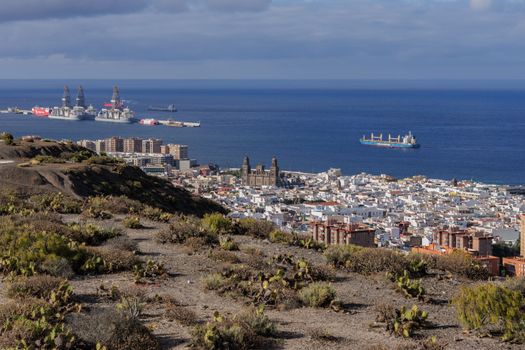
A Geophysicist uses physics to study the Earth, including its magnetic fields, gravity, and how heat moves inside it. They often use instruments to measure and monitor Earth processes, which is very useful for understanding volcanoes.
Explore relevant apprenticeships that can help you kickstart your career in Volcanologist. Apprenticeships offer hands-on experience and training while earning a wage.
Explore other careers or use our AI to discover personalised paths based on your interests.
Address
Developing Experts Limited
Exchange Street Buildings
35-37 Exchange Street
Norwich
NR2 1DP
UK
Phone
01603 273515
Email
[email protected]
Copyright 2026 Developing Experts, All rights reserved.

Unlock expert-designed lessons, resources, and assessments tailored for educators. No credit card required.
Claim Your Free Trial →We use cookies to enhance your browsing experience and analyze our traffic. Learn more.

