Imagine a giant mountain that can sometimes rumble and send out smoke and fire! A volcanologist is like a detective for these amazing mountains called volcanoes. They study volcanoes to understand how they work and why they erupt. They might collect rocks and gas from around volcanoes, use special instruments to listen to the sounds inside the Earth, or even fly drones over them to see what's happening. Their important job helps keep people safe who live near volcanoes by predicting when an eruption might happen. It's an exciting job that often involves travelling to different parts of the world where volcanoes are found, sometimes even very hot or cold places. They spend time both outside, exploring volcanoes, and inside, in labs and offices, looking at all the information they've gathered.
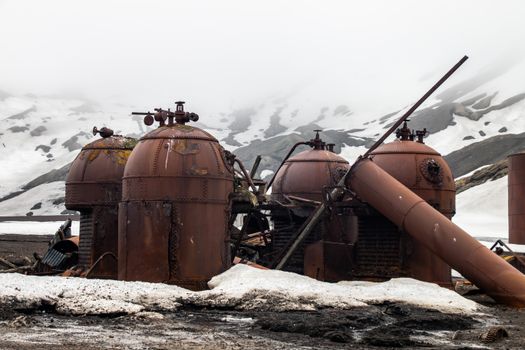
A new volcanologist might start on about 25,000 to 30,000 pounds a year. With lots of experience, they could earn up to 50,000 pounds or more.
There are not hundreds of volcanologist jobs in the UK, but there are a few important ones in universities and research centres. Often, they work on volcanoes all around the world!
Most volcanologists work standard office hours, often around 37-40 hours a week. But if a volcano is erupting, they might need to work unusual hours, sometimes even at night or on weekends, to keep everyone safe.
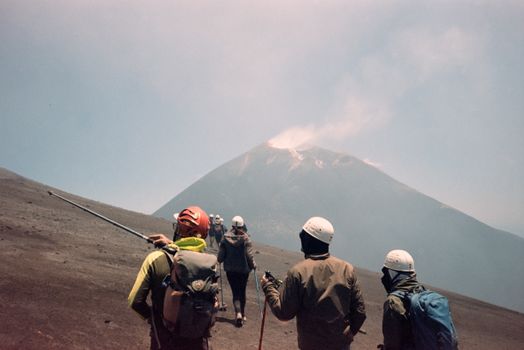
Imagine helping people stay safe around volcanoes, teaching them about the hot rocks and what to do if a volcano rumbles. You could even help design special volcano parks!
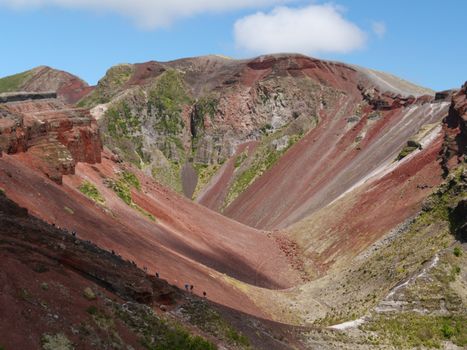
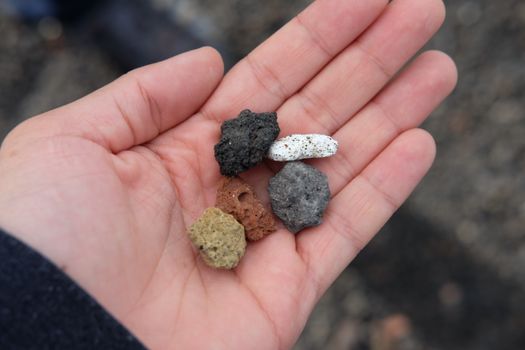
You could be a scientist who hunts for cool and unusual lava rocks and volcanic ash after an eruption. You'd study them to learn how volcanoes work and what they are made of.

Your job would be to draw amazing pictures and diagrams of volcanoes, showing how they erupt and what they look like inside. These drawings help everyone understand these giant mountains better.
Start by being super curious about everything around you, especially rocks, mountains, and how our Earth works. Look at pictures and videos of volcanoes and think about how amazing they are.
When you're at school, pay extra attention in science lessons, especially when you learn about the Earth. Read books about different types of rocks and minerals. You can even try to make your own volcano model at home with baking soda and vinegar to see a mini 'eruption'!
Ask your grown-ups to take you to museums that have rocks and dinosaur bones, or to parks where you can see different kinds of rocks and hills.
Many museums, like the Natural History Museum in London, have amazing exhibits about volcanoes and geology. Seeing real rocks and learning about Earth's history can make science feel really exciting. Look for local nature parks where you can spot different types of soil and stones.
There are lots of cool TV shows and videos that teach you about volcanoes, earthquakes, and the Earth's fiery insides. Watch them to learn new things!
Look for documentaries about natural wonders or Earth science. Programmes like 'Blue Planet' or 'Planet Earth' often show amazing landscapes and explain how volcanoes are formed. Ask a grown-up to help you find safe, educational videos online about volcanoes erupting or scientists studying them.
When you get a bit older, try your very best in science lessons at school. Things like chemistry, physics, and especially geography are super important for volcanologists.
In primary school, this means trying hard in all your science experiments and asking lots of questions. As you move to secondary school, really focus on your science and maths subjects. These subjects teach you how to observe, measure, and understand the natural world, which are key skills for studying volcanoes.
Geography is all about the Earth's land, sea, and air. Learning about geography will help you understand where volcanoes are and why they are there.
Geography lessons will teach you about tectonic plates, which are like giant puzzle pieces that make up the Earth's surface. When these plates move, they can cause volcanoes to erupt! Understanding maps and different landforms is also a big part of geography that helps volcanologists.
If your school has a science club or a geology club, join it! It's a great way to do more fun experiments and learn with friends.
Science clubs often do cool projects that you might not do in regular lessons, like making rockets or exploring different types of rocks. You might even go on trips to places of scientific interest. This helps you meet other kids who love science as much as you do and learn from each other.
After school, you'll go to university to learn even more about the Earth, like geology or Earth sciences. This is where you become an expert!
At university, you would study subjects like geology, geophysics, or Earth sciences. You would learn about how volcanoes form, the types of rocks they produce, and how to use special equipment to monitor them. You might also go on field trips to study rocks and landscapes in person, which is a bit like being a real explorer!
Some volcanologists choose to study even more after their first university degree to become super-duper experts in volcanoes. This is called postgraduate study.
After your first degree, you could do a Master's degree or a PhD. This is where you get to focus on a very specific area of volcanology, maybe even studying one particular volcano very closely. This deep learning helps you to contribute new ideas and discoveries to the world of science.
As a volcanologist, you'll work with other clever scientists, visiting volcanoes, collecting samples, and helping people understand these amazing giants.
Volcanologists often work for universities, government agencies, or research institutes. You might spend time in a laboratory analysing rock samples or using computers to model volcano behaviour. You'll also likely travel to different parts of the world to study active or dormant volcanoes, sometimes in exciting and challenging environments. It's a job that helps keep communities safe by predicting eruptions.
A geologist studies all sorts of rocks, mountains, and how the Earth changes over long periods, like a giant puzzle solver for our planet.
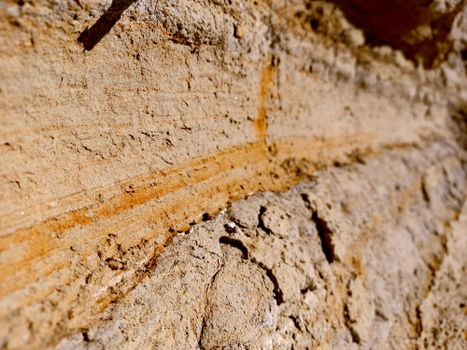
A seismologist studies earthquakes and the movements of the Earth's ground, often using special machines to listen for tremors.

An environmental scientist looks at how things like air, water, and land are doing, and how people can help keep our planet healthy and safe.
Explore relevant apprenticeships that can help you kickstart your career in Volcanologist. Apprenticeships offer hands-on experience and training while earning a wage.
Explore other careers or use our AI to discover personalised paths based on your interests.
Address
Developing Experts Limited
Exchange Street Buildings
35-37 Exchange Street
Norwich
NR2 1DP
UK
Phone
01603 273515
Email
[email protected]
Copyright 2026 Developing Experts, All rights reserved.

Unlock expert-designed lessons, resources, and assessments tailored for educators. No credit card required.
Claim Your Free Trial →We use cookies to enhance your browsing experience and analyze our traffic. Learn more.

