A volcanologist is a scientist who studies volcanoes and volcanic phenomena. This fascinating and often challenging career involves understanding the processes that create volcanoes, how they erupt, and the impacts these eruptions have on the environment and human populations. In the UK, while we don't have active volcanoes, volcanologists play a crucial role in international research, hazard assessment for overseas territories, and teaching the next generation of geoscientists. Your work might involve fieldwork in volcanic regions globally, collecting samples of rocks, ash, and gases, or monitoring seismic activity and ground deformation using sophisticated equipment. Back in the lab, you'd analyse these samples and data, using computer models to predict eruptions, assess risks, and develop early warning systems. This career demands a strong foundation in geology, physics, chemistry, and mathematics, coupled with excellent problem-solving skills and a willingness to travel to often remote and demanding locations.
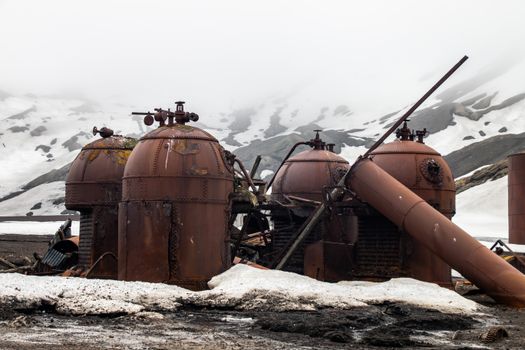
For entry-level roles, such as a research assistant or junior volcanologist within a university or governmental body, salaries in the UK typically range from 25,000 to 32,000 pounds per year.
With several years of experience, a PhD, and a strong publication record, a volcanologist in the UK can expect to earn between 35,000 and 55,000 pounds. Senior roles or professorships can exceed 60,000 pounds.
The volcanology job market in the UK is relatively niche, with a limited number of dedicated positions. Most opportunities arise within universities (research and lecturing), geological surveys (e.g., British Geological Survey), and some environmental consultancies. Direct volcanology roles are likely in the low hundreds across the country, often project-based or requiring significant international travel.
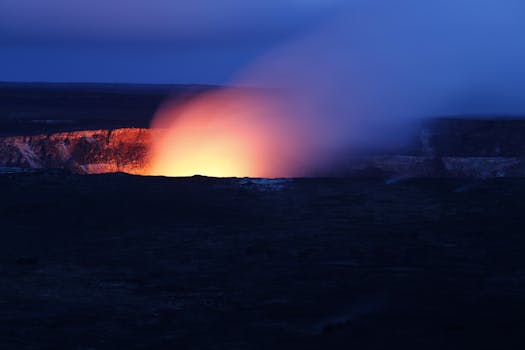
As a Geophysicist specialising in Volcanology, you would use seismic data, satellite imagery, and ground-based instruments to monitor volcanic activity, predict eruptions, and understand the Earth's interior processes. This role often involves fieldwork in volcanic regions, data analysis, and collaborating with other scientists. Relevant university degrees include Geophysics, Geology, or Earth Sciences.
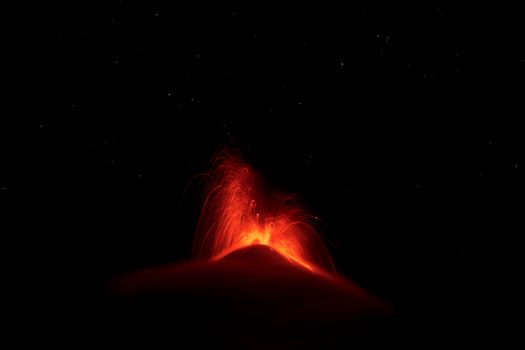
A Volcanic Hazard Analyst assesses the risks posed by active volcanoes to nearby populations and infrastructure. This involves mapping lava flows, pyroclastic deposits, and lahars, modelling potential eruption scenarios, and advising civil authorities on evacuation plans and risk mitigation strategies. This role combines scientific understanding with practical application and often involves working for governmental agencies or geological surveys.
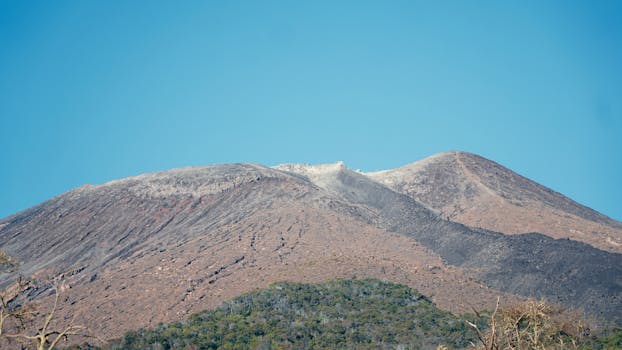
Working for a national geological survey (like the British Geological Survey or an equivalent overseas agency), you would contribute to long-term research and monitoring of volcanoes. This could involve field mapping, laboratory analysis of volcanic rocks and gases, developing early warning systems, and publishing scientific papers. It often offers a balance of research, fieldwork, and public service, contributing to a deeper understanding of volcanic processes globally.
Focus on science and mathematics subjects during your post-16 education to prepare for a university degree in a relevant field.
To pursue a career in volcanology, it's crucial to excel in subjects like Physics, Chemistry, Mathematics, and especially Geography or Geology, if available. These subjects provide the foundational knowledge required for understanding Earth sciences and the physical processes involved in volcanism. Aim for good grades, typically ABB or higher, to gain admission to competitive university courses. Consider taking part in science clubs or competitions to boost your application.
Enrol in a Bachelor's degree programme in subjects like Geology, Earth Sciences, Geophysics, or a related scientific discipline.
A BSc in Geology, Earth Sciences, Geophysics, or Natural Sciences with a strong geology component is the standard entry point. Look for courses accredited by the Geological Society of London, which often ensures a good curriculum. Pay attention to modules covering igneous petrology, structural geology, geochemistry, and natural hazards. Engaging with professors and attending departmental seminars can provide invaluable insights and networking opportunities. Universities with strong research departments in volcanology might offer specific modules or projects.
Most volcanologist roles require an MSc or PhD to specialise and gain advanced research skills.
An MSc in Volcanology, Geophysics, or a similar specialisation is highly recommended, if not essential, for most research and professional roles. This allows for deeper theoretical understanding and practical skill development. A PhD is almost always required for academic research positions, allowing you to conduct original research, contribute new knowledge, and become an expert in a specific area of volcanology. When choosing a programme, look for supervisors whose research aligns with your interests and for opportunities to conduct fieldwork.
Seek opportunities to gain hands-on experience in geological fieldwork, ideally in volcanic regions.
Practical fieldwork is invaluable. Many university courses include field trips, but actively seek out additional opportunities through summer internships, volunteer roles with geological surveys, or research assistant positions with university projects. These experiences allow you to apply theoretical knowledge, learn data collection techniques in challenging environments, and develop critical problem-solving skills. Networking during fieldwork can also open doors to future collaborations and job prospects. Look for opportunities with organisations like the British Geological Survey or international research groups.
Acquire proficiency in relevant technical skills such as GIS, remote sensing, and programming.
Modern volcanology relies heavily on technological tools. Learning Geographic Information Systems (GIS) for mapping and spatial analysis, remote sensing techniques for monitoring volcanoes from satellites, and programming languages like Python or R for data analysis and modelling are highly beneficial. These skills make you a more versatile and attractive candidate for research and monitoring roles. Many universities offer workshops or modules in these areas, or you can pursue online courses to build your expertise. Strong analytical and statistical skills are also paramount.
Connect with professionals in the field and stay updated on the latest research by attending scientific conferences and workshops.
Attending conferences such as those organised by the Geological Society of London, the American Geophysical Union (AGU), or the European Geosciences Union (EGU) is crucial. It allows you to present your own research, learn about cutting-edge developments, and meet leading experts in volcanology. Networking can lead to mentorship opportunities, collaborations, and awareness of job openings that might not be publicly advertised. Engage actively in discussions and make a positive impression.
Look for initial job opportunities in academia, government geological surveys, or private consultancies.
Entry-level positions might include research assistant roles, jobs with national geological surveys (like the British Geological Survey), or opportunities within natural hazard observatories worldwide. If you have a PhD, postdoctoral research positions are a common next step, allowing you to further specialise and build your research portfolio. Be prepared to apply for roles internationally, as volcanology is a global field. Tailor your CV and cover letter to highlight your specific skills and experiences relevant to each role.
Stay current with scientific advancements and continuously develop your skills throughout your career.
The field of volcanology is constantly evolving with new discoveries and technologies. Commit to lifelong learning by reading scientific journals, attending advanced workshops, and participating in continuous professional development courses. This ensures you remain competitive and at the forefront of your specialisation. Contributing to scientific publications and peer reviews is also a vital aspect of career progression in research-focused roles, enhancing your reputation and expertise.
Over time, develop a niche area of expertise and aim to lead your own research initiatives.
As you gain experience, you'll likely develop a deeper specialisation within volcanology, such as gas geochemistry, seismic monitoring, physical volcanology, or hazard assessment. Aim to secure funding for your own research projects, publish your findings in reputable journals, and potentially teach at a university. Leading research allows you to shape the direction of scientific inquiry, mentor junior scientists, and make significant contributions to our understanding of volcanic processes and hazard mitigation.
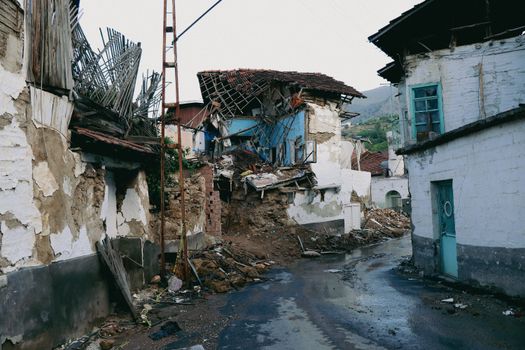
Studies earthquakes and seismic waves, often using similar geophysical techniques to monitor crustal movements and potential volcanic activity. They might work closely with volcanologists on hazard assessment.
Applies physics principles to study the Earth's physical processes, including its internal structure, magnetic field, and gravitational field. Many volcanologists begin their careers with a geophysics background.
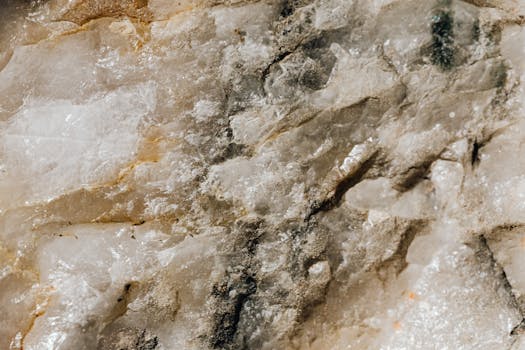
Works for national geological organisations (like the British Geological Survey) conducting mapping, research, and resource assessment. This can involve studying ancient volcanic landscapes or advising on geological hazards.
Explore relevant apprenticeships that can help you kickstart your career in Volcanologist. Apprenticeships offer hands-on experience and training while earning a wage.
Explore other careers or use our AI to discover personalised paths based on your interests.
Address
Developing Experts Limited
Exchange Street Buildings
35-37 Exchange Street
Norwich
NR2 1DP
UK
Phone
01603 273515
Email
[email protected]
Copyright 2026 Developing Experts, All rights reserved.

Unlock expert-designed lessons, resources, and assessments tailored for educators. No credit card required.
Claim Your Free Trial →We use cookies to enhance your browsing experience and analyze our traffic. Learn more.

