
Creating Career Path...

Finding Further Careers...

Building Designer

View this career for different education levels:

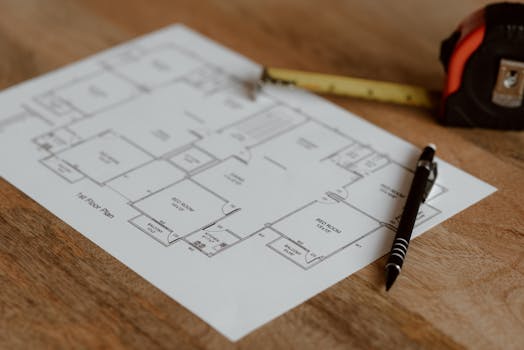
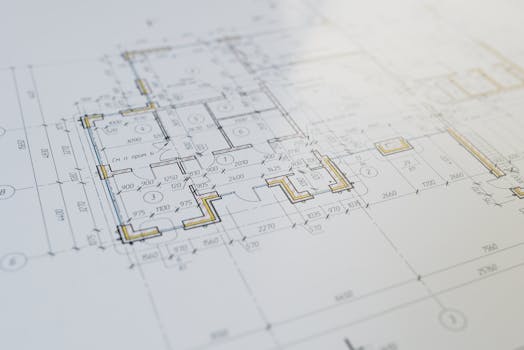
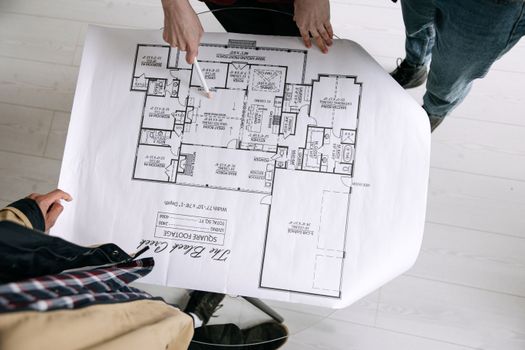
A Building Designer is someone who helps create the plans for new buildings or changes to existing ones. Imagine you want to build a new house or a school; a Building Designer is one of the first people you would talk to. They listen to what people need and want, and then use their creativity and technical skills to draw up detailed plans and blueprints. They think about things like how much space is needed, where the doors and windows should go, what materials to use, and how the building will look and feel. They use special computer software to create 2D and 3D models so everyone can see what the finished building will look like before any construction even begins. They also make sure the designs meet all the important safety rules and building regulations in the UK. This job involves a lot of problem-solving and working with other people, like engineers, builders, and clients. You get to see your ideas come to life from a drawing on a screen to a real building. It's a great career for someone who enjoys drawing, designing, and thinking about how spaces work, and who wants to help shape the places where people live, learn, and play across the United Kingdom.

Building Designer

Flag Media

Please select a reason for flagging this content.

📊 Statistics

Average Starting Salary

For someone just starting as a Building Designer in the UK, you might expect to earn around 20,000 to 25,000 GBP per year.

Experienced Salary

With more experience, a Building Designer in the UK can typically earn between 35,000 to 50,000 GBP annually, and even more for very senior roles.

Job Outlook

The construction and design sector in the UK generally sees a steady demand for skilled professionals, including Building Designers, as new buildings are always needed and old ones are updated.

🚀 Careers in this path

Flag Media

Please select a reason for flagging this content.

Architectural Technologist

If you enjoy designing buildings and making sure they can actually be built, this role is for you. You'd draw detailed plans and work out how all the parts fit together, like a super-organised building planner.

Flag Media

Please select a reason for flagging this content.

Interior Designer

Do you love thinking about how rooms look and feel inside? An Interior Designer chooses colours, furniture, and layouts to make homes, shops, or offices beautiful and practical for the people who use them.

Flag Media

Please select a reason for flagging this content.

Landscape Architect

Instead of buildings, imagine designing parks, gardens, and outdoor spaces! You'd plan where paths, trees, and flowers go, making lovely places for people to enjoy outside, thinking about both beauty and nature.

Build Your Foundations

Get Good at Maths and Art

Maths helps you understand measurements and shapes, which are super important for designing buildings. Art helps you with drawing and making things look good.

In school, pay close attention in your maths lessons, especially topics like geometry and measurement. For art, practice drawing different shapes and objects, and try to sketch buildings you see around you. These skills are fundamental for understanding space, proportion, and visual aesthetics in building design. You could even try building models with LEGO or other construction toys to get a feel for structures.

Explore Design and Technology

Design and Technology (DT) lessons often involve designing and making things, which is great practice for a building designer.

In DT, you might get to design and build small structures or models. This gives you hands-on experience with materials, tools, and the design process. It helps you think about how things fit together and what makes a design practical. If your school offers it, try to choose DT as one of your subjects as you get older.

Look at Buildings Around You

Start noticing the different types of buildings in your town, how they are made, and what you like or dislike about them.

When you walk around, take time to really look at houses, shops, and other buildings. How are they shaped? What materials are they made from? Do they have big windows or small ones? Thinking about these details helps you develop an 'eye' for design and understand what makes a building work well (or not so well). You could even draw some of your favourite buildings.

Develop Your Skills

Study Relevant Subjects at GCSE

When you choose your GCSEs, pick subjects that will help you with building design, like Maths, Art & Design, and Resistant Materials (DT).

Strong passes in GCSE Maths are usually essential for any further study in design or engineering. Art and Design will boost your creative and drawing abilities, while Resistant Materials gives you practical knowledge of construction and materials. English is also important for clear communication, which you'll need when explaining your designs.

Consider A-Levels or a Vocational Course

After GCSEs, you can choose A-Levels like Maths, Art, Physics, or a vocational course in construction or design.

A-Levels like Maths and Physics provide a strong academic foundation, while Art and Design will refine your creative and visual skills. Alternatively, a vocational course like a BTEC in Construction and the Built Environment or Art and Design can give you more practical, hands-on experience and industry-specific knowledge. Both paths can lead to university or apprenticeships.

Start Practising Design Software

Building designers often use special computer programmes to create their plans. You can start exploring some free or simpler versions now.

Programmes like SketchUp Free, Tinkercad, or even Minecraft's creative mode can help you understand 3D design and spatial awareness. Later, you'll learn industry-standard software like AutoCAD, Revit, or ArchiCAD. Getting familiar with the basics of computer-aided design (CAD) early on will give you a head start.

Professional Path

Go to University or Do an Apprenticeship

You can go to university to study architecture or architectural technology, or do an apprenticeship to learn on the job.

Many building designers complete a university degree in Architecture, Architectural Technology, or a related field. These courses usually last 3-5 years and teach you everything from design principles to building regulations. Another great option is a higher apprenticeship in Architectural Design or Construction Design and Build, where you work for a company and study at the same time, earning a salary while gaining qualifications and practical experience.

Gain Work Experience

Working with experienced building designers helps you learn how things are done in the real world.

Look for opportunities for work experience during school holidays or university breaks. Even a few days or weeks in an architect's office or a construction company can be incredibly valuable. You'll see how plans are made, how projects progress, and what challenges designers face daily. This practical insight will make you more appealing to future employers.

Get Registered and Keep Learning

Once qualified, you'll need to register with a professional body and keep your skills up to date.

Depending on your specific role (e.g., architect or architectural technologist), you might need to register with a body like the Architects Registration Board (ARB) or the Chartered Institute of Architectural Technologists (CIAT). This shows you're a qualified professional. The world of building design is always changing with new materials and technologies, so you'll need to keep learning through courses and reading to stay excellent at your job.

🎬 Useful Videos

🎯 View Apprenticeships

Explore relevant apprenticeships that can help you kickstart your career in Building Designer. Apprenticeships offer hands-on experience and training while earning a wage.

Career Progressions

This page showcases various career options and the pathways to reach them. Each career listed here shares transferable skills and knowledge, making it easier for individuals to transition between them.

Your current career is highlighted to help you see how it fits into the broader landscape of potential career choices. By clicking on any career, you can learn more about it, including the training and education required to pursue it.

Remember, progressing in your career often involves further learning and training. This page provides insights into future career options as well as those that can lead up to your current one.

These career progression decisions are informed by comparing the skills and knowledge needed for different occupations, along with data on how people move between them. Explore the possibilities and discover the exciting journey ahead in your career!

Sample Qualifications

A Building Designer primarily focuses on the design and technical aspects of buildings, preparing drawings and specifications, which aligns closely with the responsibilities of an Architectural technologist in developing building designs and solutions.

How to become

You can get into this job through:

  • a university course
  • an apprenticeship
  • working towards this role

University

You can do a degree or postgraduate course like architectural technology or architectural design and technology, accredited by the Chartered Institute of Architectural Technologists (CIAT).

Employers may also accept a foundation degree, or higher national certificate or diploma in a similar subject.

If you choose the non-degree route, you'll need to demonstrate you have the right skills and knowledge, if you want to become a member of CIAT at a later stage.

Some courses may include a 12-month industry placement. This is a good way to get practical experience and make contacts, which may help when looking for work after completing your studies.

Entry requirements

You'll usually need:

  • 2 to 3 A levels, or equivalent, for a degree
  • a degree in a relevant subject for postgraduate study

More Information

Apprenticeship

You could apply for an apprenticeship, which would give you some of the relevant skills and knowledge needed for this job. It could also act as a stepping stone onto further training to qualify.

The Chartered Institute of Architectural Technologists (CIAT) approves the following:

  • Digital Engineering Technician Level 3 Advanced Apprenticeship
  • Construction Design and Build Technician Level 4 Higher Apprenticeship
  • Design and Construction Management Level 6 Degree Apprenticeship

These apprenticeships take between 3 and 4 years to complete, and are a mix of training on the job and off-site study.

Entry requirements

You'll usually need:

  • 5 GCSEs at grades 9 to 4 (A* to C), or equivalent, including English and maths, for an advanced apprenticeship
  • 4 or 5 GCSEs at grades 9 to 4 (A* to C) and A levels, or equivalent, for a higher or degree apprenticeship

More Information

Work

Employers may take you on as a trainee if you have 5 GCSEs at grades 9 to 4 (A* to C) and 2 A levels, in subjects like maths, science, IT and technology.

They might accept equivalent qualifications in engineering or construction, for example the Level 3 Extended Diploma in Construction and the Built Environment. Courses in 3D design could also be useful.

More Information

Career tips

Experience in computer-aided design or working in the construction industry could help you get into this career.

Professional and industry bodies

When you've completed an approved course you can apply for associate membership of the Chartered Institute of Architectural Technologists.

Further information

You'll find more details about becoming an architectural technologist through the Chartered Institute of Architectural Technologists.

Interested in More Career Paths?

Explore other careers or use our AI to discover personalised paths based on your interests.

Stay connected

Join our newsletter to stay up to date on features and releases

Address
Developing Experts Limited
Exchange Street Buildings
35-37 Exchange Street
Norwich
NR2 1DP
UK

Phone
01603 273515

Email
[email protected]

Copyright 2026 Developing Experts, All rights reserved.
