




Creating Career Path...

Finding Further Careers...

Building Designer

View this career for different education levels:

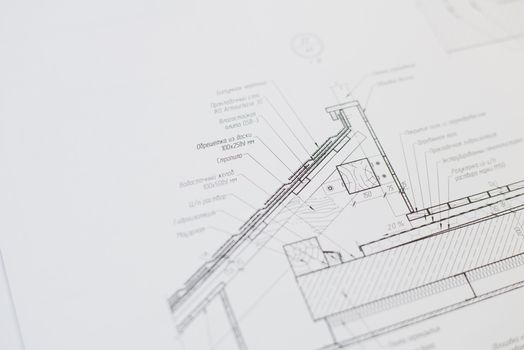
A Building Designer in the UK is a professional who specialises in the design and planning of buildings, ranging from residential homes to commercial properties and public spaces. They often work closely with clients to understand their needs and vision, translating these into functional, aesthetic, and structurally sound designs. This role involves creating detailed drawings, specifications, and 3D models using Computer-Aided Design (CAD) software, ensuring that all designs comply with UK building regulations, planning laws, and health and safety standards. They may also be involved in site analysis, material selection, and collaborating with engineers, surveyors, and construction teams throughout the project lifecycle. Beyond the technical aspects, a Building Designer also needs a strong understanding of environmental considerations, sustainability, and energy efficiency, given the UK's increasing focus on green building practices. They act as a key liaison between various stakeholders, guiding projects from initial concept through to completion. While their work overlaps with architects, Building Designers often focus more on the practical aspects of construction and direct client engagement for specific building types, often without the need for an ARB registration unless they also hold an architectural qualification. It is a rewarding career for those who enjoy problem-solving, creativity, and seeing their designs come to life.

Building Designer

Flag Media

Please select a reason for flagging this content.

📊 Statistics

Average Salary (UK)

Starting salaries for Building Designers in the UK typically range from 22,000 to 28,000 pounds per year. With experience, this can increase to 35,000 to 45,000 pounds, and senior or chartered professionals might earn 50,000 pounds or more annually.

Job Outlook (UK)

The demand for Building Designers remains consistent in the UK, often tied to the health of the construction and property development sectors. Major cities and urban regeneration projects tend to offer more opportunities. LinkedIn currently lists over 1,500 'Building Designer' or similar roles across the UK, indicating a healthy job market.

Working Hours

A standard working week for a Building Designer in the UK is typically 37-40 hours, Monday to Friday. However, project deadlines or client meetings might occasionally require longer hours.

🚀 Careers in this path

Flag Media

Please select a reason for flagging this content.

Architectural Technologist

Specialises in the science and technology of architecture, building design and construction. They apply their expertise to the design of buildings and often focus on the technical aspects and detailing of construction projects, ensuring they are practical, sustainable, and meet regulatory standards.

Flag Media

Please select a reason for flagging this content.

Structural Engineer

Focuses on the structural integrity of buildings and other constructions. They design and analyse the 'bones and skeleton' of large structures, ensuring they can withstand stresses and pressures from environmental conditions and human use, using maths and physics principles.

Flag Media

Please select a reason for flagging this content.

Building Surveyor

Advises on property and construction, often focusing on the condition and performance of buildings. This involves assessing defects, managing maintenance, overseeing renovations, and ensuring compliance with building regulations and health and safety standards.

Foundation & Education

Academic Qualifications

Obtain relevant academic qualifications to establish a strong theoretical base in building design and technology.

For aspiring Building Designers, a good foundation is typically a BTEC HNC/HND in Construction and the Built Environment or a bachelor's degree in Architectural Technology, Building Design, or a related field. Some may also pursue a master's degree for specialisation or advanced knowledge. Look for programmes accredited by professional bodies like CIAT (Chartered Institute of Architectural Technologists) as this can aid your future professional development and membership.

Develop Core Skills

Acquire essential technical, design, and communication skills crucial for a successful career in building design.

Focus on developing strong CAD (Computer-Aided Design) skills, particularly in software like AutoCAD, Revit, and ArchiCAD, as these are industry standards. Understanding building regulations, planning law, and sustainability principles is also vital. Cultivate excellent communication skills for client interaction and team collaboration, alongside problem-solving abilities for design challenges. Maths and physics knowledge will underpin your understanding of building performance.

Gain Industry Exposure

Seek opportunities to observe and participate in real-world building design projects to understand industry practices.

Consider internships, work placements, or part-time roles with architectural practices, architectural technologists' firms, or construction companies while studying. This practical experience is invaluable for applying theoretical knowledge, networking with professionals, and understanding the day-to-day operations of the industry. Even site visits and informal interviews with professionals can provide great insight.

Entry & Professional Development

Secure an Entry-Level Role

Begin your career by securing a junior position within a design or architectural practice to gain practical experience.

Look for roles such as 'Architectural Technologist (Junior)', 'CAD Technician', or 'Architectural Assistant'. These positions will allow you to work under the supervision of experienced professionals, contribute to live projects, and further develop your technical and practical skills. Focus on learning specific office standards, project workflows, and the intricacies of various building typologies.

Achieve Professional Membership

Work towards becoming a chartered member of a recognised professional body to enhance your credibility and career prospects.

The Chartered Institute of Architectural Technologists (CIAT) is the leading body for the profession in the UK. Becoming a Chartered Architectural Technologist (MCIAT) involves completing a Professional Assessment, which demonstrates your competency and experience. This professional recognition is highly valued by employers and clients, signifying your commitment to professional standards and ongoing development.

Continuous Learning

Stay current with industry trends, technologies, and regulations through ongoing professional development.

The construction industry is constantly evolving, with new materials, technologies (like BIM - Building Information Modelling), and sustainability standards emerging regularly. Engage in Continuous Professional Development (CPD) through workshops, seminars, online courses, and industry publications. This ensures your skills remain relevant and you can adopt the latest best practices, contributing to more innovative and efficient building designs.

Specialisation & Leadership

Specialise in an Area

Choose a specific niche within building design to develop expert knowledge and skills.

As you gain experience, you might find a particular area that interests you, such as sustainable design (Passivhaus, BREEAM), heritage conservation, BIM management, forensic architectural technology, or specific building typologies (e.g., residential, commercial, healthcare). Specialising can open doors to more advanced and consultancy roles, making you a go-to expert in that field. Pursue further certifications or advanced diplomas in your chosen specialism.

Lead Projects & Teams

Take on greater responsibility, managing projects and potentially leading design teams.

With increasing experience and a proven track record, you will be in a position to manage projects from conception to completion. This involves coordinating with clients, consultants (engineers, surveyors), and contractors, ensuring projects meet deadlines, budgets, and technical specifications. You might also mentor junior team members, delegate tasks, and oversee quality control. This stage often involves developing strong leadership and project management skills.

Consider Consultancy or Firm Ownership

Explore the option of becoming an independent consultant or establishing your own building design practice.

For experienced and highly skilled Building Designers, setting up your own practice offers autonomy and the opportunity to shape your own portfolio of work. This requires a strong business acumen, marketing skills, and a robust professional network. Alternatively, you could work as an independent consultant, offering specialist services to various clients or firms, leveraging your expertise without the overheads of running a full practice.

🎬 Useful Videos

🎯 View Apprenticeships

Explore relevant apprenticeships that can help you kickstart your career in Building Designer. Apprenticeships offer hands-on experience and training while earning a wage.

Career Progressions

This page showcases various career options and the pathways to reach them. Each career listed here shares transferable skills and knowledge, making it easier for individuals to transition between them.

Your current career is highlighted to help you see how it fits into the broader landscape of potential career choices. By clicking on any career, you can learn more about it, including the training and education required to pursue it.

Remember, progressing in your career often involves further learning and training. This page provides insights into future career options as well as those that can lead up to your current one.

These career progression decisions are informed by comparing the skills and knowledge needed for different occupations, along with data on how people move between them. Explore the possibilities and discover the exciting journey ahead in your career!

Sample Qualifications

A Building Designer's role involves the technical design of buildings and the application of architectural technology, which aligns closely with the responsibilities and qualifications of an Architectural technologist.

How to become

You can get into this job through:

  • a university course
  • an apprenticeship
  • working towards this role

University

You can do a degree or postgraduate course like architectural technology or architectural design and technology, accredited by the Chartered Institute of Architectural Technologists (CIAT).

Employers may also accept a foundation degree, or higher national certificate or diploma in a similar subject.

If you choose the non-degree route, you'll need to demonstrate you have the right skills and knowledge, if you want to become a member of CIAT at a later stage.

Some courses may include a 12-month industry placement. This is a good way to get practical experience and make contacts, which may help when looking for work after completing your studies.

Entry requirements

You'll usually need:

  • 2 to 3 A levels, or equivalent, for a degree
  • a degree in a relevant subject for postgraduate study

More Information

Apprenticeship

You could apply for an apprenticeship, which would give you some of the relevant skills and knowledge needed for this job. It could also act as a stepping stone onto further training to qualify.

The Chartered Institute of Architectural Technologists (CIAT) approves the following:

  • Digital Engineering Technician Level 3 Advanced Apprenticeship
  • Construction Design and Build Technician Level 4 Higher Apprenticeship
  • Design and Construction Management Level 6 Degree Apprenticeship

These apprenticeships take between 3 and 4 years to complete, and are a mix of training on the job and off-site study.

Entry requirements

You'll usually need:

  • 5 GCSEs at grades 9 to 4 (A* to C), or equivalent, including English and maths, for an advanced apprenticeship
  • 4 or 5 GCSEs at grades 9 to 4 (A* to C) and A levels, or equivalent, for a higher or degree apprenticeship

More Information

Work

Employers may take you on as a trainee if you have 5 GCSEs at grades 9 to 4 (A* to C) and 2 A levels, in subjects like maths, science, IT and technology.

They might accept equivalent qualifications in engineering or construction, for example the Level 3 Extended Diploma in Construction and the Built Environment. Courses in 3D design could also be useful.

More Information

Career tips

Experience in computer-aided design or working in the construction industry could help you get into this career.

Professional and industry bodies

When you've completed an approved course you can apply for associate membership of the Chartered Institute of Architectural Technologists.

Further information

You'll find more details about becoming an architectural technologist through the Chartered Institute of Architectural Technologists.

Interested in More Career Paths?

Explore other careers or use our AI to discover personalised paths based on your interests.

Stay connected

Join our newsletter to stay up to date on features and releases

Address
Developing Experts Limited
Exchange Street Buildings
35-37 Exchange Street
Norwich
NR2 1DP
UK

Phone
01603 273515

Email
[email protected]

Copyright 2026 Developing Experts, All rights reserved.
