


Creating Career Path...

Finding Further Careers...

Dental Hygienist

View this career for different education levels:

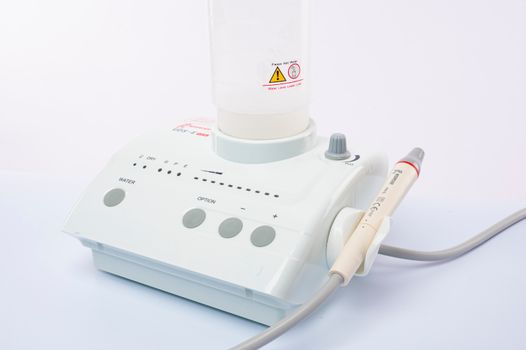
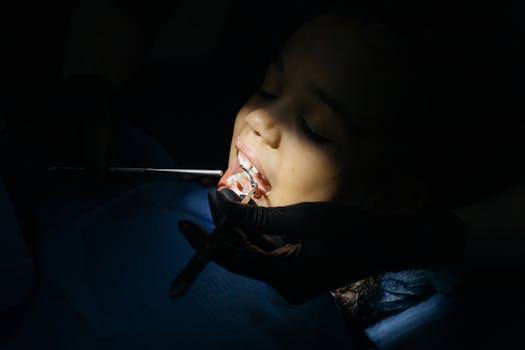
Imagine a superhero for your teeth! That's a bit like what a Dental Hygienist does. They are very important people who work in a dental surgery, helping people keep their teeth and gums really clean and healthy. They don't fill cavities like a dentist, but they are brilliant at cleaning teeth properly, getting rid of any sticky plaque and tartar that brushing at home might miss. They also show people, especially children, the best way to brush and floss their teeth so they stay strong and sparkly for a long, long time. They use special tools to make your teeth super clean and shiny, and they might even put a special fluoride varnish on your teeth to make them extra strong and protect them from sugar bugs. Being a Dental Hygienist means you get to meet lots of different people every day and help them feel good about their smile. You need to be very gentle and kind, especially with people who might be a little bit nervous about visiting the dentist. You also need to be good at explaining things simply, like why it's important to brush your teeth twice a day. It's a wonderful job for someone who likes helping others and is interested in health and looking after people's mouths.

Dental Hygienist

Flag Media

Please select a reason for flagging this content.

📊 Statistics

Starting Salary

A new Dental Hygienist in the UK might earn around 25,000 to 30,000 pounds a year.

Experienced Salary

With more experience, a Dental Hygienist in the UK can earn between 35,000 and 45,000 pounds or even more a year.

Number of Jobs

There are many dental practices across the UK always looking for friendly Dental Hygienists to help people keep their smiles healthy.

🚀 Careers in this path

Flag Media

Please select a reason for flagging this content.

Tooth Champion

Helps people brush their teeth really well and teaches them how to keep their smiles super sparkly and healthy. They might show you how to floss like a superhero!

Flag Media

Please select a reason for flagging this content.

Smile Artist

Works with dentists to make sure everyone's teeth are clean and shiny. They might use special tiny brushes and mirrors to get rid of any sugar bugs and make your teeth feel smooth.

Flag Media

Please select a reason for flagging this content.

Gum Guardian

Focuses on making sure your gums (the pink bits around your teeth) are healthy and strong. They teach you how to look after them so they dont get sore, which helps keep your teeth happy too!

Learning About Teeth

Learn About Healthy Eating

Discover which foods are good for your teeth and which ones might cause problems. Eating healthy helps keep your teeth strong and prevents sugar bugs!

Think about fruits, vegetables, and milk which are super good for your teeth. Sugary sweets and fizzy drinks can cause tiny holes called cavities, so it's best to have them only sometimes. Eating a balanced diet is a big part of keeping your whole body healthy, not just your teeth.

Practice Brushing and Flossing

Learn the best way to brush your teeth twice a day and use dental floss to clean between them. This helps get rid of all the food bits and sugar bugs.

Ask a grown-up or your dentist to show you the best way to brush. You should brush for two minutes, covering all your teeth! Flossing is important too, as it reaches places your toothbrush can't. Think of it as giving your teeth a thorough bath every day.

Visit the Dental Practice

Go for regular check-ups at the dentist. You can watch what the hygienist does and ask them lots of questions about their job.

Your dentist and dental hygienist are there to help you. They can show you all the cool tools they use and explain how they help people have super smiles. Don't be shy to ask them about their day and what they enjoy most about looking after teeth!

School Studies

Focus on Science

Try your best in science subjects at school, like biology and chemistry. These subjects help you understand how the human body and teeth work.

Learning about biology can teach you how different parts of your body, including your teeth and gums, function. Chemistry can help you understand how different foods and cleaning products affect your mouth. These subjects are really important for understanding dental health.

Learn Good Communication

Practice talking clearly and kindly to others. A dental hygienist needs to explain things to people in a way they can understand.

It's important to be able to tell people why brushing and flossing are so important, and how to do it properly. You'll need to be friendly and patient, especially with children or people who might be a bit nervous about visiting the dental practice. Joining school clubs like drama or public speaking can help you practice.

Help Others

Look for ways to help your friends and family understand how to keep their teeth healthy. Sharing your knowledge is a great way to learn more yourself!

You could make a poster about healthy snacks for teeth, or show a younger sibling how to brush their teeth properly. Helping others learn about oral hygiene makes you feel good and also reinforces what you've learned. It's like being a mini-teacher for tooth health!

Becoming a Dental Hygienist

Study at College or University

After school, you'll need to go to college or university to study a special course called 'Dental Hygiene' or 'Oral Health Science'.

These courses usually last about two or three years and teach you everything you need to know about teeth, gums, and how to look after them. You'll learn how to use special tools to clean teeth, take X-rays, and even help people with braces. You will get to practice on real people too, under careful supervision.

Get Practical Experience

During your studies, you will get to practice in real dental practices. This helps you learn how to work with patients and other dental professionals.

This practical experience is called 'clinical placement'. You'll work alongside experienced dental hygienists and dentists, learning how to talk to patients, make them feel comfortable, and perform different treatments. It's a chance to put all your classroom learning into practice.

Register as a Hygienist

Once you finish your course, you need to register with the General Dental Council (GDC) to officially become a Dental Hygienist in the UK.

The GDC makes sure that all dental professionals are properly trained and follow important rules to keep patients safe. It's like getting a special badge that says you are ready and qualified to help people with their teeth. After this, you can start working in a dental practice!

🎯 View Apprenticeships

Explore relevant apprenticeships that can help you kickstart your career in Dental Hygienist. Apprenticeships offer hands-on experience and training while earning a wage.

Career Progressions

This page showcases various career options and the pathways to reach them. Each career listed here shares transferable skills and knowledge, making it easier for individuals to transition between them.

Your current career is highlighted to help you see how it fits into the broader landscape of potential career choices. By clicking on any career, you can learn more about it, including the training and education required to pursue it.

Remember, progressing in your career often involves further learning and training. This page provides insights into future career options as well as those that can lead up to your current one.

These career progression decisions are informed by comparing the skills and knowledge needed for different occupations, along with data on how people move between them. Explore the possibilities and discover the exciting journey ahead in your career!

Sample Qualifications

The input career 'Dental Hygienist' directly matches the official job title 'Dental hygienist' from the provided list, indicating an exact fit for the role and its associated qualifications and duties.

How to become

You can get into this job through:

  • a university course
  • working towards this role

University

You'll need to complete a higher education diploma or degree approved by the General Dental Council.

Subjects include:

  • dental hygiene
  • oral health science
  • dental hygiene and dental therapy

When you apply for a university course, it might help to have some experience in a dental or healthcare setting, for example, shadowing a dental nurse or dental hygienist.

You might be able to get extra support with student finance, as a dental student, through the NHS Learning Support Fund.

Entry requirements

You'll usually need:

  • 5 GCSEs at grades 9 to 4 (A* to C), or equivalent, including English, maths and science
  • 2 or 3 A levels, or equivalent, including biology for a degree

More Information

Work

If you're a qualified dental nurse, you may be able to do a part-time training course with a dental school to become a dental hygienist.

More Information

Registration

Further information

You can get more details about a career as a dental hygienist and other roles in a dental team from Health Careers and the British Society of Dental Hygiene and Therapy.

Interested in More Career Paths?

Explore other careers or use our AI to discover personalised paths based on your interests.

Stay connected

Join our newsletter to stay up to date on features and releases

Address
Developing Experts Limited
Exchange Street Buildings
35-37 Exchange Street
Norwich
NR2 1DP
UK

Phone
01603 273515

Email
[email protected]

Copyright 2026 Developing Experts, All rights reserved.
