


Creating Career Path...

Finding Further Careers...

Dental Hygienist

View this career for different education levels:

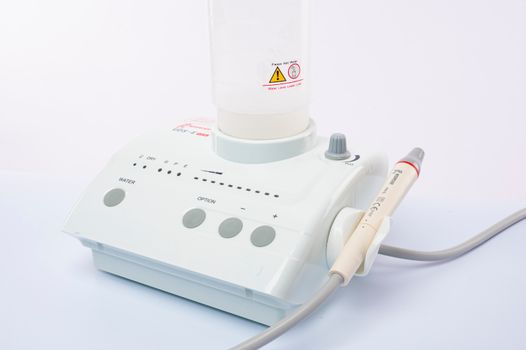
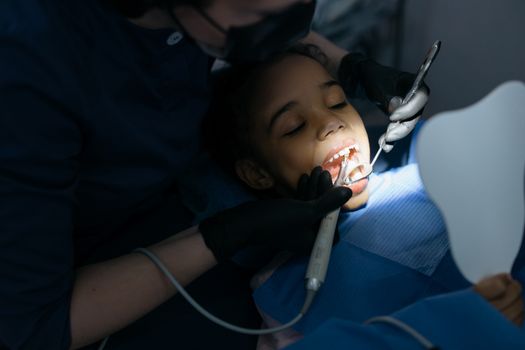
As a Dental Hygienist in the UK, you play a crucial role in preventative oral healthcare. Your primary focus is on helping patients maintain excellent gum health and prevent dental diseases like decay and periodontitis. This involves carrying out professional teeth cleaning, often referred to as 'scaling and polishing', to remove plaque and tartar. You also apply preventative treatments such as fluoride varnishes and fissure sealants, and provide tailored oral health advice covering brushing techniques, flossing, and diet. Working within a dental practice, you'll see a diverse range of patients, from children to adults, educating them on the importance of good oral hygiene for overall wellbeing. You'll work closely with dentists, often referring patients for further treatment when necessary, and contributing significantly to the overall patient care plan. It's a hands-on role that requires excellent communication skills, a compassionate approach, and a strong understanding of dental anatomy and pathology.

Dental Hygienist

Flag Media

Please select a reason for flagging this content.

📊 Statistics

Average UK Salary (Experienced)

Experienced Dental Hygienists in the UK can expect to earn between 35,000 and 45,000 per year, though this can vary based on location, type of practice (NHS or private), and hours worked. Some highly experienced hygienists working in private practices or specialist roles may earn more.

Entry Level UK Salary

For newly qualified Dental Hygienists in the UK, an entry-level salary typically ranges from 25,000 to 30,000 per year. This often increases with experience and as they build a patient base or take on more responsibilities.

Number of Registered Professionals (UK)

As of recent data, there are over 10,000 registered Dental Hygienists and Dental Therapists combined in the UK. This indicates a well-established profession within the dental healthcare sector, with a consistent demand for skilled practitioners.

🚀 Careers in this path

Flag Media

Please select a reason for flagging this content.

Orthodontic Therapist

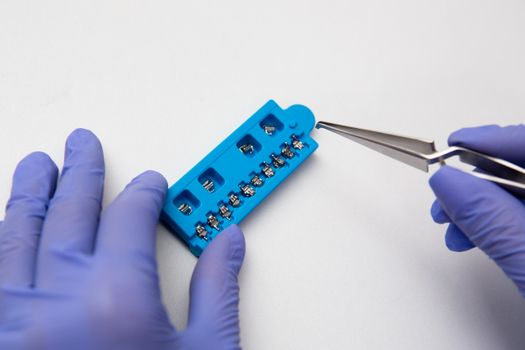
An Orthodontic Therapist works under the prescription of a specialist orthodontist, carrying out a range of orthodontic treatments. This includes fitting and adjusting braces and other orthodontic appliances. This role requires further specialist training after qualifying as a Dental Hygienist or Dental Therapist, often involving a postgraduate diploma.

Flag Media

Please select a reason for flagging this content.

Dental Therapist

A Dental Therapist has an expanded scope of practice beyond a Hygienist, able to carry out a wider range of restorative procedures like fillings, as well as tooth extractions for children and adults under prescription. They can also perform some cosmetic procedures like teeth whitening. Many Dental Hygienist programmes are integrated with Dental Therapy, or you can complete a top-up degree.

Flag Media

Please select a reason for flagging this content.

Restorative Dental Practitioner (with further training)

While not a direct role, a Dental Hygienist with a strong interest in restorative care could pursue further education to become a Dental Therapist, and then specialise further in restorative dentistry. This could involve advanced training in areas like composite bonding, crowns, and bridges, working closely with dentists to restore patient dentition and aesthetics. This path often involves advanced postgraduate courses and significant clinical experience.

Foundation & Education

Achieve Required Qualifications

To become a Dental Hygienist, you'll need to secure specific academic qualifications, typically A-levels or equivalent Level 3 qualifications, which will allow you to apply for an accredited dental hygiene course.

Most universities offering dental hygiene programmes will require A-levels in subjects such as Biology or Chemistry, alongside another science or relevant subject. You'll usually need grades ranging from BBB to CCC, depending on the institution. Some programmes may also accept BTEC Extended Diplomas in Applied Science or Health and Social Care, or Access to Higher Education Diplomas. It's crucial to check the specific entry requirements for each university you're interested in, as they can vary.

Complete an Accredited Degree or Diploma

Enrol in and successfully complete an approved course in dental hygiene or oral health science. This is a mandatory step to practice in the UK.

In the UK, you must complete either a Foundation Degree (FdSc), an Advanced Diploma, or a Bachelor of Science (BSc) degree in Dental Hygiene or Oral Health Science. These courses typically last 2-3 years full-time. They cover a comprehensive curriculum including human anatomy and physiology, oral health promotion, periodontology, restorative dentistry, local anaesthesia, radiography, and pharmacology. A significant portion of your training will involve hands-on clinical experience, working directly with patients under supervision.

Gain Clinical Experience

During your studies, you will gain practical, hands-on experience in various dental settings, working with patients under the supervision of qualified professionals.

Clinical placements are an integral part of your dental hygiene training. You will spend a substantial amount of time in university clinics, NHS practices, and potentially private dental practices. This experience allows you to apply theoretical knowledge to real-world scenarios, develop your clinical skills (e.g., scaling, polishing, applying fluoride, taking radiographs), refine patient communication, and learn about different patient needs and conditions. Maintaining a detailed log of your clinical hours and experiences is often a requirement.

Registration & Professional Development

Register with the GDC

Upon successful completion of your accredited programme, you must register with the General Dental Council (GDC) to legally practice as a Dental Hygienist in the UK.

The GDC is the regulatory body for dental professionals in the UK. Registration is a legal requirement to work as a Dental Hygienist. You will need to provide evidence of your qualifications and meet their professional standards. The registration process involves an application, often an online portal, and payment of an annual retention fee. Ensure you understand and adhere to the GDC's 'Standards for the Dental Team', which outlines the principles and standards of professional conduct expected of all registrants.

Secure Your First Role

Begin applying for Dental Hygienist positions in a variety of settings such as general dental practices, NHS clinics, or private practices.

Job searching can be done through professional dental recruitment agencies, NHS Jobs website, online job boards, and direct applications to dental practices. Prepare a strong CV highlighting your qualifications, clinical experience, and skills in patient care and communication. Practise your interview skills, focusing on scenarios related to patient management, GDC standards, and your clinical abilities. Networking during your studies and placements can also be beneficial in finding opportunities.

Commit to Continuing Professional Development (CPD)

As a registered healthcare professional, you are required to undertake ongoing training and learning to maintain your skills and stay updated with best practices.

The GDC mandates that Dental Hygienists complete a set number of hours of verifiable CPD within a five-year cycle. This includes a range of activities such as attending courses, workshops, seminars, reading professional journals, and engaging in online learning. CPD ensures you remain competent, up-to-date with new technologies and treatments, and can provide the best possible care to your patients. Common CPD topics include advanced periodontal therapy, local anaesthesia updates, radiography interpretation, and medical emergencies training.

Career Advancement & Specialisation

Develop Specialist Skills

Consider undertaking further training in specific areas to expand your scope of practice and offer more specialised treatments.

With experience and further training, you can develop expertise in areas such as advanced non-surgical periodontal therapy, management of anxious patients, direct access procedures (treating patients without a prior dentist's examination), or working with specific patient groups like children or those with complex medical histories. Some hygienists might also pursue qualifications in tooth whitening procedures or minor restorative work, where permitted by their scope of practice and GDC guidelines.

Consider Management or Education Roles

As you gain extensive experience, opportunities may arise to move into leadership, practice management, or educational roles within the dental sector.

Experienced Dental Hygienists can progress into roles such as Lead Hygienist, Practice Manager (with additional management qualifications), or even become a clinical tutor or lecturer in a university dental hygiene programme. These roles often require strong leadership, organisational skills, and a passion for mentoring and education. Contributing to professional bodies or local dental committees is another way to take on a leadership role and influence the profession.

Undertake Further Postgraduate Study

Explore options for postgraduate qualifications, such as a Master's degree, to deepen your knowledge and open up advanced career pathways.

While not essential for practice, a Master's degree (e.g., MSc in Periodontology, Oral Health, or even Public Health) can significantly enhance your career prospects, particularly if you are interested in research, academia, or highly specialised clinical roles. Postgraduate study can provide a deeper theoretical understanding and advanced research skills, positioning you as an expert in your field and potentially leading to consultant-level positions or roles in public health.

🎯 View Apprenticeships

Explore relevant apprenticeships that can help you kickstart your career in Dental Hygienist. Apprenticeships offer hands-on experience and training while earning a wage.

Career Progressions

This page showcases various career options and the pathways to reach them. Each career listed here shares transferable skills and knowledge, making it easier for individuals to transition between them.

Your current career is highlighted to help you see how it fits into the broader landscape of potential career choices. By clicking on any career, you can learn more about it, including the training and education required to pursue it.

Remember, progressing in your career often involves further learning and training. This page provides insights into future career options as well as those that can lead up to your current one.

These career progression decisions are informed by comparing the skills and knowledge needed for different occupations, along with data on how people move between them. Explore the possibilities and discover the exciting journey ahead in your career!

Sample Qualifications

The user's input career 'Dental Hygienist' directly matches an official job title in the provided list. This role involves preventive oral healthcare, which aligns precisely with the duties of a dental hygienist.

How to become

You can get into this job through:

  • a university course
  • working towards this role

University

You'll need to complete a higher education diploma or degree approved by the General Dental Council.

Subjects include:

  • dental hygiene
  • oral health science
  • dental hygiene and dental therapy

When you apply for a university course, it might help to have some experience in a dental or healthcare setting, for example, shadowing a dental nurse or dental hygienist.

You might be able to get extra support with student finance, as a dental student, through the NHS Learning Support Fund.

Entry requirements

You'll usually need:

  • 5 GCSEs at grades 9 to 4 (A* to C), or equivalent, including English, maths and science
  • 2 or 3 A levels, or equivalent, including biology for a degree

More Information

Work

If you're a qualified dental nurse, you may be able to do a part-time training course with a dental school to become a dental hygienist.

More Information

Registration

Further information

You can get more details about a career as a dental hygienist and other roles in a dental team from Health Careers and the British Society of Dental Hygiene and Therapy.

Interested in More Career Paths?

Explore other careers or use our AI to discover personalised paths based on your interests.

Stay connected

Join our newsletter to stay up to date on features and releases

Address
Developing Experts Limited
Exchange Street Buildings
35-37 Exchange Street
Norwich
NR2 1DP
UK

Phone
01603 273515

Email
[email protected]

Copyright 2026 Developing Experts, All rights reserved.
