

Creating Career Path...

Finding Further Careers...

Dental Hygienist

View this career for different education levels:

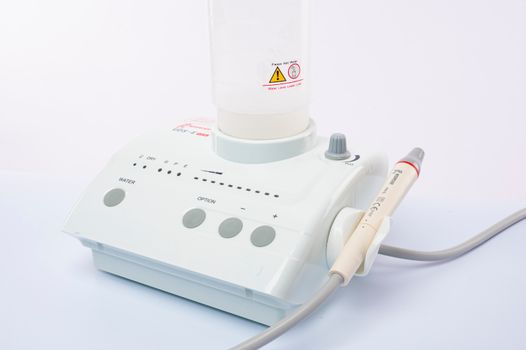
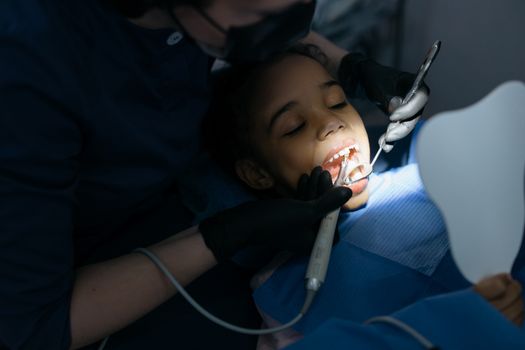
A Dental Hygienist is a really important member of the dental team, helping people keep their teeth and gums healthy. Their main job is to prevent dental problems like tooth decay and gum disease. They do this by giving teeth a really good clean, removing plaque and tartar that brushing at home might miss. They also polish teeth to make them shiny and smooth. But it's not just about cleaning! Dental Hygienists also teach patients, including children, the best ways to brush and floss their teeth. They give advice on healthy eating to protect teeth and might apply special treatments like fluoride varnishes or sealants to help prevent cavities. They work closely with dentists and can make a big difference in someone's smile and overall health.

Dental Hygienist

Flag Media

Please select a reason for flagging this content.

📊 Statistics

Starting Salary

A newly qualified Dental Hygienist in the UK can expect to earn around 25,000 to 30,000 pounds per year. This can increase with experience.

Experienced Salary

With more experience, a Dental Hygienist in the UK could earn between 35,000 to 45,000 pounds annually, and even more for highly experienced or specialised roles.

Working Hours

Many Dental Hygienists in the UK work typical surgery hours, which might be around 35-40 hours a week. Part-time work is also very common and flexible.

🚀 Careers in this path

Flag Media

Please select a reason for flagging this content.

Orthodontic Therapist

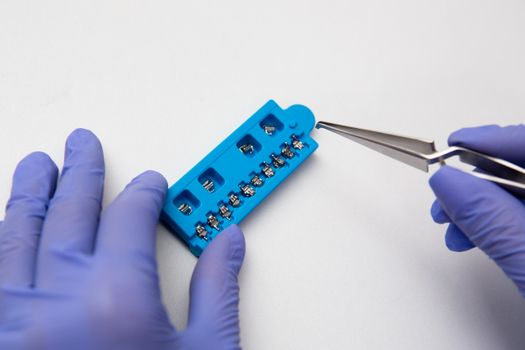
Helps dentists fit braces and other devices to straighten teeth. You'd learn how to help people get a beautiful, confident smile.

Flag Media

Please select a reason for flagging this content.

Dental Nurse

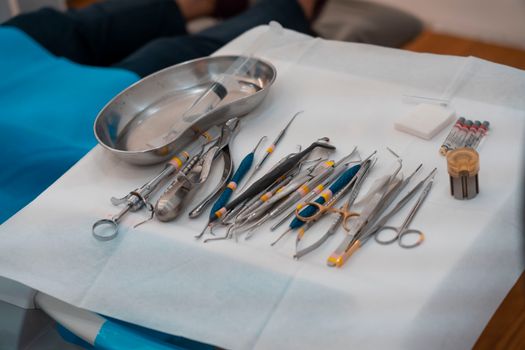
Works alongside a dentist, helping them during treatments and making sure the patient is comfortable. You would learn how to prepare instruments and keep the surgery tidy.

Flag Media

Please select a reason for flagging this content.

Dental Laboratory Assistant

Helps make things like dentures, crowns, and braces in a laboratory. You'd learn to use special tools to craft custom dental pieces.

Build a Strong Foundation

Do Well in School

Focus on your school subjects, especially science ones like Biology and Chemistry, and Maths. These subjects will give you a great start for understanding how the body works and how to keep it healthy.

To become a Dental Hygienist, you'll need good GCSEs (grades 9-4, or A*-C) in subjects like English, Maths, and Sciences. Try to take Triple Science if your school offers it, as this will give you a deeper understanding of Biology and Chemistry, which are very relevant to dental health. Paying attention in these classes now will make future learning much easier.

Learn About Oral Health

Start learning about healthy eating, good brushing habits, and why it's important to visit the dentist regularly. You can do this by reading books, watching videos, or even talking to your own dentist.

Understanding the basics of oral hygiene from a young age is really helpful. You can find lots of information online from reputable sources like the NHS website or the British Dental Association. Learn about what causes cavities, how gum disease starts, and the importance of a balanced diet for healthy teeth. The more you know, the more passionate you'll become.

Volunteer or Shadow

If you can, try to spend some time in a dental practice. You could ask your dentist if you could visit for a short time to see what they do, or look for volunteer opportunities in healthcare settings.

Gaining some experience in a dental environment is incredibly valuable. It will give you a real insight into the daily life of a Dental Hygienist and other dental professionals. You could ask your family dentist if you could 'shadow' them for a day during school holidays, meaning you watch and learn. Even volunteering at a local care home could help you develop communication skills needed for patient care.

Higher Education & Training

Choose Your A-Levels or Equivalent

After your GCSEs, you'll need to pick subjects for your A-Levels or another Level 3 qualification like a BTEC. Science subjects are usually a must for university courses in dental hygiene.

Most university degrees in Dental Hygiene or Oral Health Science will require A-Levels, typically including at least one science subject like Biology or Chemistry. Some universities might also ask for Physics or Maths. If you choose a BTEC National Diploma in Health and Social Care, ensure it's a suitable qualification that universities will accept for their Dental Hygiene programmes. Always check the specific entry requirements for the universities you're interested in.

Apply for a University Degree

You'll need to complete a degree programme in Dental Hygiene or Oral Health Science. This usually takes about three years and is offered at universities across the UK.

When applying to university through UCAS, you'll be looking for courses titled 'BSc Dental Hygiene and Therapy' or 'BSc Oral Health Science'. These courses are accredited by the General Dental Council (GDC), which is essential for you to be able to practise after graduation. The curriculum will cover a wide range of topics, including anatomy, physiology, pharmacology, dental diseases, and practical clinical skills.

Complete Clinical Placements

During your university course, you'll spend lots of time in real dental clinics, working with patients under the supervision of experienced dental professionals. This is where you put your learning into practice!

Clinical placements are a vital part of your training. You'll work with actual patients in university dental clinics or NHS and private practices. This hands-on experience allows you to develop your practical skills in cleaning teeth, applying preventive treatments, taking X-rays, and educating patients. It also helps you build confidence and learn how to communicate effectively with different people, which is a key skill for a Dental Hygienist.

Become a Registered Professional

Register with the GDC

Once you've successfully finished your degree, you must register with the General Dental Council (GDC) before you can start working as a Dental Hygienist in the UK. This shows you're qualified and safe to practise.

The General Dental Council (GDC) is the regulatory body for dental professionals in the UK. Registering with them means your qualifications have been checked and approved, and you meet the standards required to provide dental care. It's an essential step to legally work as a Dental Hygienist. You will need to maintain your registration throughout your career by fulfilling continuing professional development (CPD) requirements.

Find Your First Job

Start looking for job opportunities in dental practices, hospitals, or community dental services. Your university career service can often help with this, and online job boards are also a great resource.

As a newly qualified Dental Hygienist, you can look for roles in various settings. Many start in general dental practices, both NHS and private. Some opportunities also exist in hospitals, community dental clinics, or even within corporate settings. Networking during your placements and applying for positions that offer mentorship for new graduates can be very beneficial for your first role.

Keep Learning and Growing

The dental world is always changing, so it's important to keep learning throughout your career. Attend courses and workshops to keep your skills sharp and learn about new treatments.

Continuing Professional Development (CPD) is a requirement for GDC registration and is crucial for staying up-to-date with the latest advancements in dental care. This could involve attending seminars, online courses, reading professional journals, or gaining additional qualifications. You might specialise in areas like treating gum disease, working with children, or helping patients with specific health needs. Lifelong learning ensures you provide the best possible care to your patients.

🎯 View Apprenticeships

Explore relevant apprenticeships that can help you kickstart your career in Dental Hygienist. Apprenticeships offer hands-on experience and training while earning a wage.

Career Progressions

This page showcases various career options and the pathways to reach them. Each career listed here shares transferable skills and knowledge, making it easier for individuals to transition between them.

Your current career is highlighted to help you see how it fits into the broader landscape of potential career choices. By clicking on any career, you can learn more about it, including the training and education required to pursue it.

Remember, progressing in your career often involves further learning and training. This page provides insights into future career options as well as those that can lead up to your current one.

These career progression decisions are informed by comparing the skills and knowledge needed for different occupations, along with data on how people move between them. Explore the possibilities and discover the exciting journey ahead in your career!

Sample Qualifications

The input career 'Dental Hygienist' is an exact match for the official job title 'Dental hygienist' provided in the list. Both refer to professionals who provide preventative oral care, including scaling and polishing, and offer advice on oral hygiene.

How to become

You can get into this job through:

  • a university course
  • working towards this role

University

You'll need to complete a higher education diploma or degree approved by the General Dental Council.

Subjects include:

  • dental hygiene
  • oral health science
  • dental hygiene and dental therapy

When you apply for a university course, it might help to have some experience in a dental or healthcare setting, for example, shadowing a dental nurse or dental hygienist.

You might be able to get extra support with student finance, as a dental student, through the NHS Learning Support Fund.

Entry requirements

You'll usually need:

  • 5 GCSEs at grades 9 to 4 (A* to C), or equivalent, including English, maths and science
  • 2 or 3 A levels, or equivalent, including biology for a degree

More Information

Work

If you're a qualified dental nurse, you may be able to do a part-time training course with a dental school to become a dental hygienist.

More Information

Registration

Further information

You can get more details about a career as a dental hygienist and other roles in a dental team from Health Careers and the British Society of Dental Hygiene and Therapy.

Interested in More Career Paths?

Explore other careers or use our AI to discover personalised paths based on your interests.

Stay connected

Join our newsletter to stay up to date on features and releases

Address
Developing Experts Limited
Exchange Street Buildings
35-37 Exchange Street
Norwich
NR2 1DP
UK

Phone
01603 273515

Email
[email protected]

Copyright 2026 Developing Experts, All rights reserved.
