
Creating Career Path...

Finding Further Careers...

Recycling Worker

View this career for different education levels:

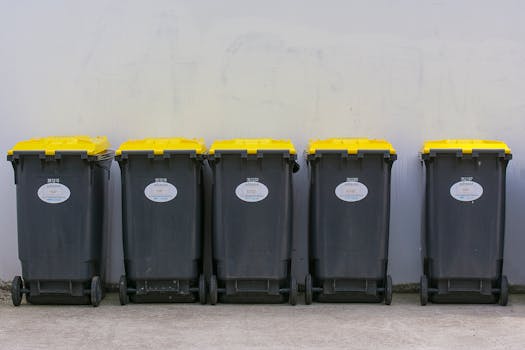
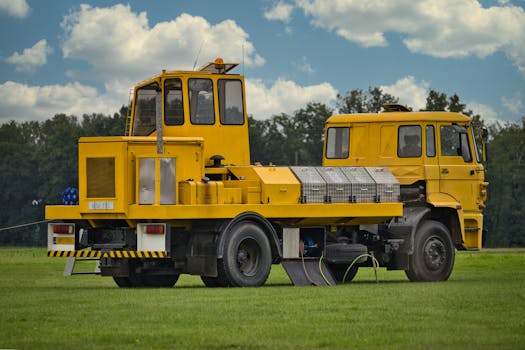
A Recycling Worker plays a crucial role in the UK's efforts towards sustainability and environmental protection. This career involves a range of duties focused on the collection, sorting, processing, and disposal of waste materials to be reused or repurposed. Depending on the specific role, you might be part of a team collecting kerbside recycling from homes and businesses, operating specialist machinery at a recycling centre, or manually sorting materials on a picking line to ensure quality and separate different waste streams like plastics, paper, glass, and metals. The work often requires a good level of physical fitness, as it can involve lifting, carrying, and extended periods of standing or walking. Beyond the physical tasks, a Recycling Worker also needs to adhere to strict health and safety regulations, understand waste segregation guidelines, and contribute to the efficient operation of recycling facilities. It's a hands-on job that directly contributes to reducing landfill waste, conserving natural resources, and mitigating climate change. Opportunities exist within local council waste services, private waste management companies, and specialist recycling plants.

Recycling Worker

Flag Media

Please select a reason for flagging this content.

📊 Statistics

Average Salary (UK)

The typical starting salary for a Recycling Worker in the UK is around 20,000 to 22,000 GBP per year, with experienced workers potentially earning up to 26,000 GBP or more, depending on location and responsibilities.

Entry Requirements

There are no formal academic qualifications required for most entry-level Recycling Worker roles. Employers typically look for practical skills, a good level of fitness, and a willingness to work outdoors in various weather conditions. A full UK driving licence (especially HGV) can be a significant advantage for some roles.

Job Outlook

The recycling and waste management sector in the UK is stable and growing, driven by increasing environmental regulations and public awareness. Demand for skilled and dedicated workers is consistent, with opportunities for progression into supervisory or specialised roles within the industry.

🚀 Careers in this path

Flag Media

Please select a reason for flagging this content.

Waste Management Operative

This role involves the collection, sorting, and processing of various waste materials, including recyclables, often operating machinery or driving specialist vehicles. It is a more formal and comprehensive term for a recycling worker, encompassing broader responsibilities within waste management.

Recycling Plant Technician

A technician at a recycling plant is responsible for the maintenance, repair, and operation of the machinery and systems that sort and process recyclable materials. This role requires a good understanding of mechanics and sometimes basic electronics.

Flag Media

Please select a reason for flagging this content.

Environmental Services Assistant

This broader role often involves practical work related to maintaining environmental standards and public spaces, which can include aspects of waste collection, litter picking, and promoting recycling initiatives within a local council or private contractor setting.

Foundation & Entry

Research and Understand the Role

Gain a clear understanding of what a recycling worker does, including the various tasks and responsibilities involved in waste management and recycling operations.

Start by looking at job descriptions for 'Recycling Operative', 'Waste Collector', 'Refuse Loader', or 'Sort Line Operative' on job sites like Indeed, Gov.uk, or local council websites. Understand the daily tasks, which might include collecting bins, operating compaction equipment, sorting materials on a conveyor belt, or maintaining cleanliness at a recycling centre. Familiarise yourself with the health and safety regulations pertinent to this sector, as it is paramount.

Meet Basic Requirements

Ensure you meet the fundamental requirements often sought by employers in the recycling and waste management sector.

Most entry-level recycling roles require a good level of physical fitness, as the job can be demanding and involve lifting, bending, and standing for long periods. You'll typically need to be over 18 for insurance and health and safety reasons. While formal qualifications are not always essential, having basic literacy and numeracy skills is beneficial for understanding safety instructions and completing simple paperwork. A clean driving licence can be a significant advantage, particularly for collection roles.

Gain Entry-Level Experience

Seek opportunities for direct experience to understand the day-to-day operations and demonstrate your commitment.

Look for entry-level positions like 'Recycling Operative', 'Refuse Collector', or 'Waste Sorter'. Many local councils or private waste management companies (e.g., Veolia, Biffa, Suez) offer these roles. Temporary or seasonal work can also be a good starting point. This hands-on experience is invaluable for learning about different waste streams, safety protocols, and the practicalities of the job. It also helps build a network within the industry.

Skill Development & Specialisation

Obtain Relevant Licences and Certifications

Acquire specific licences and certifications that can broaden your responsibilities and increase your employability within the sector.

For roles involving driving larger vehicles, obtaining a Category C (HGV Class 2) or C+E (HGV Class 1) driving licence is often required. This involves passing a theory and practical test. Additionally, consider certifications in operating specific plant machinery, such as forklift trucks (FLT) or loading shovels, if you aim to work at a recycling centre or processing plant. Many employers will offer training for these, or you can undertake them independently through approved training providers.

Undertake Health and Safety Training

Prioritise continuous learning in health and safety, which is crucial for a safe and effective working environment.

Participate in all provided health and safety training, which will cover topics like manual handling, COSHH (Control of Substances Hazardous to Health), fire safety, and safe operation of machinery. Beyond mandatory training, showing initiative by familiarising yourself with industry-specific safety guidelines (e.g., from the Waste Industry Safety and Health Forum - WISH) can demonstrate a strong commitment to best practices.

Develop Material Knowledge

Deepen your understanding of different recyclable materials, their properties, and proper sorting techniques.

Learn to identify various types of plastics, metals, paper, glass, and other materials. Understand the specific requirements for their collection and separation to maximise their recycling potential. This knowledge is crucial for roles on sort lines and for identifying contaminants. Engage with industry resources and internal training programs to become an expert in material segregation and quality control.

Career Advancement

Pursue Supervisory or Team Leader Roles

Aim for positions with increased responsibility, overseeing teams and operational processes.

With sufficient experience and demonstrated reliability, you can progress to roles such as 'Team Leader', 'Supervisor', or 'Chargehand'. These roles involve managing a small team, allocating tasks, ensuring targets are met, and maintaining health and safety standards. Developing leadership skills, good communication, and problem-solving abilities will be key to success in these positions. Many companies offer internal leadership development programmes.

Explore Specialised Operations

Consider moving into more specialised areas within waste management, focusing on particular processes or equipment.

This could involve becoming an 'Operator' for advanced recycling machinery, a 'Recycling Facility Technician', or even moving into areas like hazardous waste management or anaerobic digestion plants. These roles often require additional specific training and a deeper technical understanding of particular processes. Look for internal training opportunities or external courses in waste management operations or environmental science.

Consider Management or Technical Roles

Work towards higher-level management or technical positions, potentially requiring further education.

For ambitious individuals, progression paths can lead to 'Depot Manager', 'Operations Manager', or even roles in waste planning and environmental compliance. These often require a blend of extensive practical experience, strong management skills, and sometimes further qualifications like a degree or professional certification in waste management or environmental studies. Professional bodies like the Chartered Institution of Wastes Management (CIWM) offer qualifications and networking opportunities.

🎬 Useful Videos

🎯 View Apprenticeships

Explore relevant apprenticeships that can help you kickstart your career in Recycling Worker. Apprenticeships offer hands-on experience and training while earning a wage.

Career Progressions

This page showcases various career options and the pathways to reach them. Each career listed here shares transferable skills and knowledge, making it easier for individuals to transition between them.

Your current career is highlighted to help you see how it fits into the broader landscape of potential career choices. By clicking on any career, you can learn more about it, including the training and education required to pursue it.

Remember, progressing in your career often involves further learning and training. This page provides insights into future career options as well as those that can lead up to your current one.

These career progression decisions are informed by comparing the skills and knowledge needed for different occupations, along with data on how people move between them. Explore the possibilities and discover the exciting journey ahead in your career!

Sample Qualifications

A Recycling Worker directly corresponds to the role of a Recycling Operative, as both titles refer to individuals primarily responsible for sorting, processing, and handling recyclable materials.

How to become

You can get into this job through:

  • an apprenticeship
  • applying directly

Apprenticeship

You can apply to do a Metal Recycling General Operative Level 2 Intermediate Apprenticeship.

This takes around 1 year to complete and combines on-the-job training and time spent with a learning provider.

Entry requirements

You'll usually need:

  • some GCSEs, usually including English and maths, or equivalent, for an intermediate apprenticeship


More Information

Direct Application

You do not need any particular qualifications to apply for jobs although GCSEs in English and maths can be useful.

You may have an advantage if you've had forklift truck or telehandler training, or can drive a large goods vehicle.

More Information

Career tips

An employer will usually offer you training on the job, for example to get your large goods vehicle licence.

Further information

You can find out more about careers in recycling from Energy & Utilities Careers & Jobs and the Chartered Institute of Wastes Management.

Interested in More Career Paths?

Explore other careers or use our AI to discover personalised paths based on your interests.

Stay connected

Join our newsletter to stay up to date on features and releases

Address
Developing Experts Limited
Exchange Street Buildings
35-37 Exchange Street
Norwich
NR2 1DP
UK

Phone
01603 273515

Email
[email protected]

Copyright 2026 Developing Experts, All rights reserved.