
Creating Career Path...

Finding Further Careers...

Recycling Worker

View this career for different education levels:

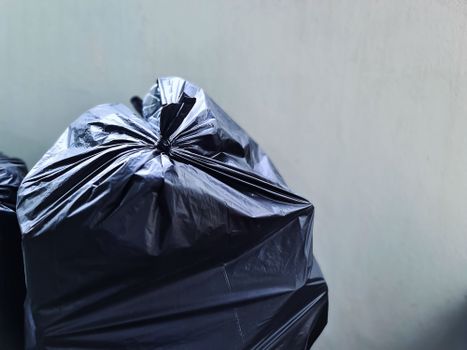
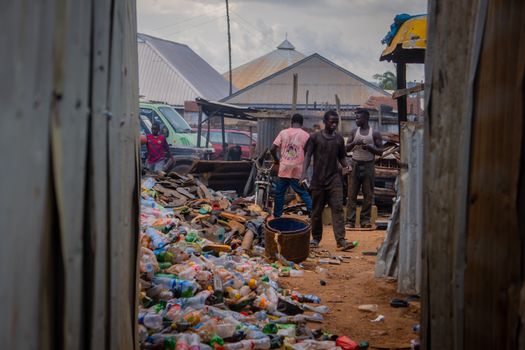
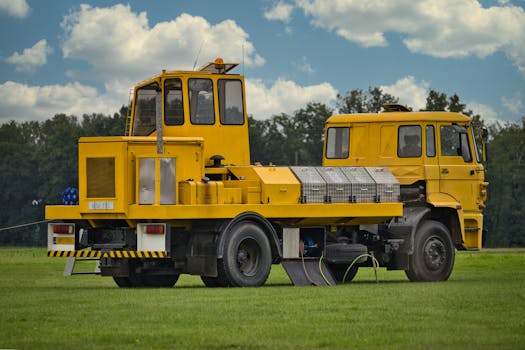
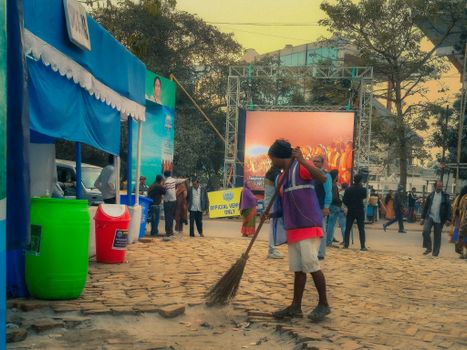
Imagine a superhero who helps keep our planet clean and tidy! That's a bit like a Recycling Worker. Their job is super important because they help collect all the things we want to recycle, like old newspapers, plastic bottles, and glass jars, from our homes and businesses. They often work in a team, driving special lorries that pick up the recycling bins. Once the recycling is collected, it goes to a special centre where it gets sorted. Recycling Workers might help with this too, making sure all the different materials like paper, plastic, and metal are put into the right piles. This means they can be turned into brand new things instead of being thrown away! It's an active job, often outdoors, and it helps make the UK a greener place for everyone.

Recycling Worker

Flag Media

Please select a reason for flagging this content.

📊 Statistics

Starting Salary

A new Recycling Worker in the UK might start earning around £19,000 to £22,000 a year.

Experienced Salary

With more experience, a Recycling Worker in the UK could earn between £23,000 and £28,000 a year.

Typical Hours

Most Recycling Workers in the UK work about 37 to 40 hours a week, usually during the daytime.

🚀 Careers in this path

Flag Media

Please select a reason for flagging this content.

Recycling Sorter

A Recycling Sorter helps to separate different types of rubbish, like paper, plastic, and glass, so they can be made into new things. It's like sorting toys into different boxes!

Flag Media

Please select a reason for flagging this content.

Rubbish Collection Assistant

A Rubbish Collection Assistant helps to collect the recycling bins from peoples' houses. They make sure the right bins are picked up and taken to the recycling centre.

Flag Media

Please select a reason for flagging this content.

Recycling Centre Visitor Guide

A Recycling Centre Visitor Guide helps people understand how recycling works when they visit a recycling centre. They show them where everything goes and explain why it's important to recycle.

Learning About Recycling

Recycle at Home

Start by helping your family recycle at home. Learn what things can go in the recycling bin and what goes in the regular bin.

Many homes in the UK have different bins for different types of rubbish. There might be one for paper and cardboard, another for plastic bottles and cans, and sometimes one for glass. Ask your grown-ups which bins are for recycling and what items go in each one. It's a great way to learn what recycling looks like every day.

Visit a Recycling Centre

Ask a grown-up if you can visit a local recycling centre. You can see big machines and lots of different materials being sorted.

Your local council often has a household waste recycling centre where people take their bigger items to be recycled, like old furniture, electronics, or garden waste. If you visit, you might see how different materials are separated and prepared to be sent off for processing. It helps you understand the scale of recycling beyond your home bin.

Read About Recycling

Find books or websites that teach you about recycling and why it's so important for the Earth.

There are many fun books and online games for kids that explain the journey of a plastic bottle or a newspaper once it's recycled. Learning about what happens to the materials and how they turn into new items, like a new toy or a park bench, can be really exciting and show you the bigger picture of why recycling matters.

Getting Ready for the Job

Stay Active and Healthy

Recycling workers need to be strong and fit. Playing outside and eating healthy food will help you stay active.

Being a recycling worker can involve a lot of moving, lifting, and walking, so it's a job that needs good physical health. Playing sports, running around, and eating fruits and vegetables are all excellent ways to build your strength and stamina. This will help you be ready for an active job like this when you're older.

Learn About Safety

Understanding how to stay safe around big vehicles and heavy items is very important for this job.

Recycling centres and collection routes can have big lorries and machinery. Learning about road safety, like looking both ways before crossing and being aware of vehicles, is a good start. When you're older, you'll learn about specific safety gear, like special gloves and bright jackets, and how to operate equipment safely.

Be a Team Player

Recycling workers often work in teams. Practise working with others and helping your friends.

Many jobs, including recycling, involve working closely with colleagues. You might be part of a team collecting rubbish, or working alongside others at a sorting facility. Learning to share, listen to others, and help out in group activities at school will help you become a great team player, which is a valuable skill for any job.

Starting the Career

Get Your Driving Licence

When you're old enough, you'll need to learn to drive, especially if you want to drive a recycling lorry.

To become a recycling worker who drives the collection vehicle, you'll need to pass your driving test for a regular car first when you're 17. After that, you'll need to get a special licence called an LGV (Large Goods Vehicle) licence, which allows you to drive bigger lorries. This involves more training and tests but is a key step for many roles in waste collection.

Look for Job Openings

When you're ready, look for jobs with your local council or waste management companies that handle recycling.

Most recycling collection and sorting services in the UK are run by local councils or by private companies that work for the councils. You can look at their websites or job boards for entry-level positions. Sometimes, you can start as a loader, helping to collect the recycling from homes, and then train to become a driver or sorter.

Learn on the Job

Once you get a job, you'll learn lots more by doing it every day, like how to use special equipment and sort materials correctly.

When you start as a recycling worker, you'll receive training from your employer. This might include how to safely lift and load recycling bins, how to operate specific machinery at a sorting plant, or how to identify different types of materials. You'll work alongside experienced colleagues who will teach you everything you need to know to become a brilliant recycling hero.

🎬 Useful Videos

🎯 View Apprenticeships

Explore relevant apprenticeships that can help you kickstart your career in Recycling Worker. Apprenticeships offer hands-on experience and training while earning a wage.

Career Progressions

This page showcases various career options and the pathways to reach them. Each career listed here shares transferable skills and knowledge, making it easier for individuals to transition between them.

Your current career is highlighted to help you see how it fits into the broader landscape of potential career choices. By clicking on any career, you can learn more about it, including the training and education required to pursue it.

Remember, progressing in your career often involves further learning and training. This page provides insights into future career options as well as those that can lead up to your current one.

These career progression decisions are informed by comparing the skills and knowledge needed for different occupations, along with data on how people move between them. Explore the possibilities and discover the exciting journey ahead in your career!

Sample Qualifications

A Recycling Operative is directly involved in the sorting, processing, and handling of recyclable materials, which aligns perfectly with the duties of a Recycling Worker.

How to become

You can get into this job through:

  • an apprenticeship
  • applying directly

Apprenticeship

You can apply to do a Metal Recycling General Operative Level 2 Intermediate Apprenticeship.

This takes around 1 year to complete and combines on-the-job training and time spent with a learning provider.

Entry requirements

You'll usually need:

  • some GCSEs, usually including English and maths, or equivalent, for an intermediate apprenticeship


More Information

Direct Application

You do not need any particular qualifications to apply for jobs although GCSEs in English and maths can be useful.

You may have an advantage if you've had forklift truck or telehandler training, or can drive a large goods vehicle.

More Information

Career tips

An employer will usually offer you training on the job, for example to get your large goods vehicle licence.

Further information

You can find out more about careers in recycling from Energy & Utilities Careers & Jobs and the Chartered Institute of Wastes Management.

Interested in More Career Paths?

Explore other careers or use our AI to discover personalised paths based on your interests.

Stay connected

Join our newsletter to stay up to date on features and releases

Address
Developing Experts Limited
Exchange Street Buildings
35-37 Exchange Street
Norwich
NR2 1DP
UK

Phone
01603 273515

Email
[email protected]

Copyright 2026 Developing Experts, All rights reserved.