
Creating Career Path...

Finding Further Careers...

Recycling Worker

View this career for different education levels:

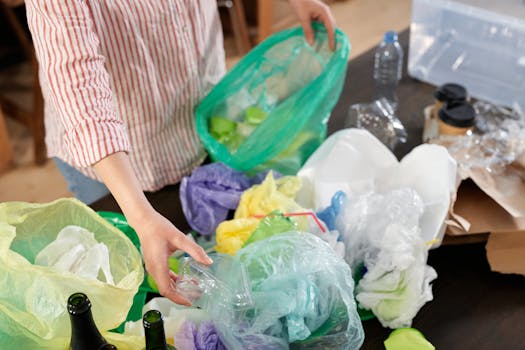
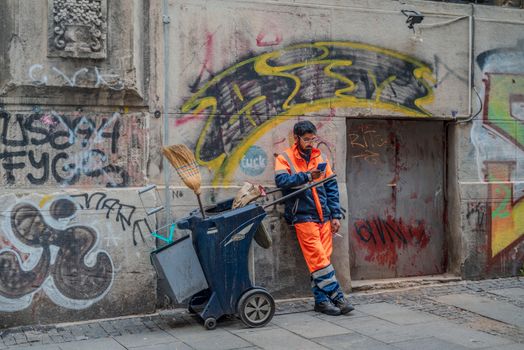
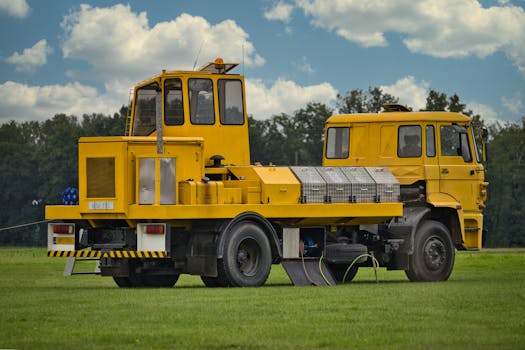
A Recycling Worker plays a really important role in helping to keep our planet healthy. Their main job involves collecting recyclable materials from homes and businesses, such as paper, plastic, glass, and cans. They often work as part of a team, riding on the back of a special recycling collection vehicle. They have to be good at spotting which items can be recycled and making sure they are put in the correct part of the lorry. It is a job that often involves working outdoors in all kinds of weather, so being prepared for rain or shine is part of the fun! Once the materials are collected, Recycling Workers might also help at recycling centres or sorting plants. Here, they help sort through the different types of recycling to make sure everything is separated properly. This is crucial because it makes it easier for the materials to be sent off to be turned into new products. It is a physically active job, requiring you to lift and move bins, and be aware of safety around moving vehicles. You're making a real difference every day by helping to reduce waste and protect the environment.

Recycling Worker

Flag Media

Please select a reason for flagging this content.

📊 Statistics

Starting Salary

In the UK, a new Recycling Worker can expect to earn around 20,000 to 22,000 pounds per year.

Experienced Salary

With more experience, a Recycling Worker's salary can go up to 25,000 to 30,000 pounds annually, especially with supervisory roles.

Working Hours

Most Recycling Workers in the UK work around 37 to 40 hours a week, often starting early in the morning.

🚀 Careers in this path

Flag Media

Please select a reason for flagging this content.

Recycling Centre Operative

Helps people sort their recycling at a local recycling centre. You could guide visitors, make sure everything goes into the right bin, and help keep the centre tidy and safe.

Flag Media

Please select a reason for flagging this content.

Waste Education Officer Assistant

Works with schools and local communities to teach people about why recycling is important and how to do it properly. You could help create fun activities and presentations.

Flag Media

Please select a reason for flagging this content.

Environmental Street Cleaner

Keeps streets and public spaces clean and free from litter. This often involves collecting rubbish and recyclable materials to make sure they are disposed of or recycled correctly.

Learn About Recycling

Discover What Can Be Recycled

Start by learning about the different types of materials that can be recycled in your home and school. This includes things like paper, cardboard, plastic bottles, glass jars, and metal cans.

Understanding what can and can't be recycled is the first big step. Different councils have different rules, so it's a good idea to check your local council's website for their specific recycling guidelines. You might be surprised by what you can recycle, like some food packaging or old electronics. Knowing this helps you sort things correctly at home.

Visit a Recycling Centre

If possible, ask a parent or guardian to take you to a local recycling centre or household waste recycling site. Seeing where your recycled items go can be really interesting!

Visiting a recycling centre can give you a real insight into the scale of recycling. You'll see large containers for different materials and maybe even some of the machinery used to process them. It helps you connect the small act of putting a bottle in a recycling bin with the bigger picture of environmental protection. You might also learn about items that need special disposal, like batteries or light bulbs.

Help with Home Recycling

Take an active role in sorting and preparing recyclable items at home. Make sure things are clean and placed in the correct bins.

Practising recycling at home is great hands-on experience. This means rinsing out plastic bottles and food containers, flattening cardboard boxes, and making sure no non-recyclable items sneak into the recycling bin. Every little bit helps to make the recycling process more efficient and prevents contamination, which is when non-recyclable items spoil a whole batch of good recycling.

Develop Skills and Knowledge

Focus on Practical Subjects

At school, pay attention in subjects like Science, Design and Technology (DT), and Geography. These can help you understand materials, machinery, and environmental issues.

Science helps you understand how different materials behave and how they can be changed and reused. DT can teach you about making things and how products are put together, which is useful for understanding how to dismantle or process them for recycling. Geography helps you learn about local environments, waste management, and the impact of pollution, giving you a broader context for the job.

Stay Active and Healthy

Being a recycling worker can involve lifting and moving things, so staying fit and healthy is important. Join sports clubs or get involved in active hobbies.

Many roles in recycling involve physical work, such as loading bins onto collection vehicles, sorting materials on a conveyor belt, or operating machinery. Regular physical activity, like playing football, cycling, or even just going for walks, will help you build stamina and strength, which are valuable qualities for this career path. It also teaches you about teamwork and safety, which are also important in the workplace.

Learn About Safety

Safety is very important in any job, especially one that involves machinery and vehicles. Start learning about staying safe around big equipment and traffic.

Recycling centres and collection routes can be busy places with large vehicles and machinery. Understanding basic safety rules, like looking both ways before crossing the road, staying clear of moving vehicles, and wearing appropriate protective gear (even if it's just a high-vis vest for now), is a good habit to develop. This awareness is crucial for your own safety and the safety of those around you in any industrial environment.

Future Steps & Training

Consider Vocational Courses

After school, you could look into vocational courses or apprenticeships related to waste management, logistics, or environmental services.

Vocational courses, like BTECs or NVQs, can provide practical, hands-on training for specific job roles. Apprenticeships are also an excellent route, allowing you to learn on the job while earning a salary. These programmes can cover topics like operating waste collection vehicles, sorting techniques, health and safety regulations, and environmental compliance, preparing you directly for a career in recycling.

Get a Driving Licence

Many roles in recycling, especially collection, require you to drive a vehicle. Working towards getting your driving licence when you're old enough will be very helpful.

For jobs like a recycling collector (sometimes called a refuse loader or HGV driver), a driving licence is essential. Once you're 17, you can start learning to drive a car. To drive larger vehicles like lorries, you'll need to gain additional qualifications and licences later on, which often involve specialised training and tests. This opens up more opportunities within the recycling and waste management industry.

Look for Entry-Level Jobs

Once you're older, look for entry-level positions like 'Recycling Operative', 'Waste Collector', or 'Environmental Assistant' with local councils or waste management companies.

Many companies and local authorities offer entry-level positions where you can start without extensive prior experience. These roles might involve sorting materials at a plant, assisting with collections, or maintaining equipment. You'll receive training on the job, learn about different waste streams, and understand the operational procedures. This is a great way to get your foot in the door and begin building your career in a vital industry.

🎬 Useful Videos

🎯 View Apprenticeships

Explore relevant apprenticeships that can help you kickstart your career in Recycling Worker. Apprenticeships offer hands-on experience and training while earning a wage.

Career Progressions

This page showcases various career options and the pathways to reach them. Each career listed here shares transferable skills and knowledge, making it easier for individuals to transition between them.

Your current career is highlighted to help you see how it fits into the broader landscape of potential career choices. By clicking on any career, you can learn more about it, including the training and education required to pursue it.

Remember, progressing in your career often involves further learning and training. This page provides insights into future career options as well as those that can lead up to your current one.

These career progression decisions are informed by comparing the skills and knowledge needed for different occupations, along with data on how people move between them. Explore the possibilities and discover the exciting journey ahead in your career!

Sample Qualifications

A Recycling Worker directly corresponds to a Recycling Operative, as both titles refer to individuals who carry out the practical duties of sorting, processing, and handling recyclable materials.

How to become

You can get into this job through:

  • an apprenticeship
  • applying directly

Apprenticeship

You can apply to do a Metal Recycling General Operative Level 2 Intermediate Apprenticeship.

This takes around 1 year to complete and combines on-the-job training and time spent with a learning provider.

Entry requirements

You'll usually need:

  • some GCSEs, usually including English and maths, or equivalent, for an intermediate apprenticeship


More Information

Direct Application

You do not need any particular qualifications to apply for jobs although GCSEs in English and maths can be useful.

You may have an advantage if you've had forklift truck or telehandler training, or can drive a large goods vehicle.

More Information

Career tips

An employer will usually offer you training on the job, for example to get your large goods vehicle licence.

Further information

You can find out more about careers in recycling from Energy & Utilities Careers & Jobs and the Chartered Institute of Wastes Management.

Interested in More Career Paths?

Explore other careers or use our AI to discover personalised paths based on your interests.

Stay connected

Join our newsletter to stay up to date on features and releases

Address
Developing Experts Limited
Exchange Street Buildings
35-37 Exchange Street
Norwich
NR2 1DP
UK

Phone
01603 273515

Email
[email protected]

Copyright 2026 Developing Experts, All rights reserved.