Creating Career Path...

Finding Further Careers...

Zookeeper

View this career for different education levels:

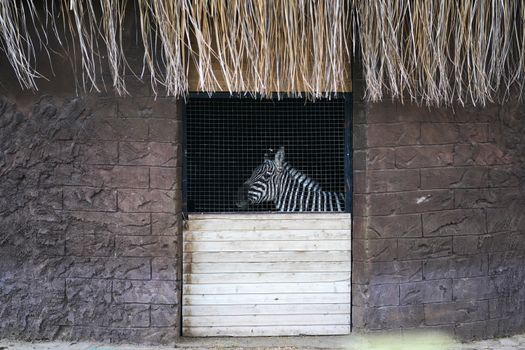
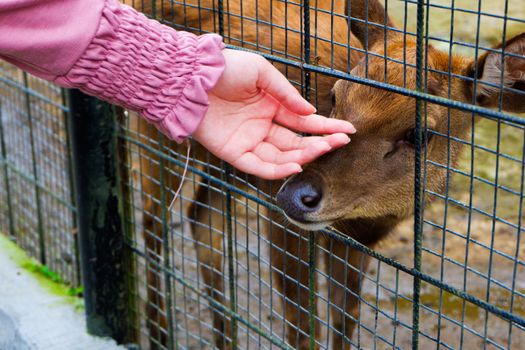
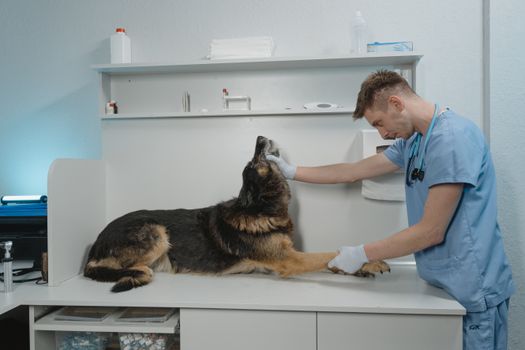
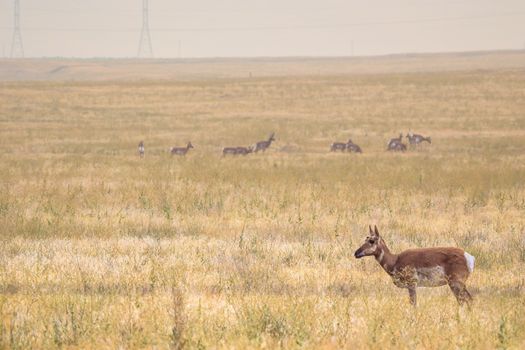
Being a zookeeper is all about caring for animals in a zoo or wildlife park. It is a really hands-on job where you get to work closely with many different types of creatures, from tiny insects to big mammals like elephants or giraffes. A zookeepers day might involve preparing special diets for the animals, feeding them, and making sure their enclosures are clean and safe. You also spend time enriching their environment, which means creating activities and things for the animals to do so they stay happy, healthy, and stimulated, just like they would be in the wild. This could involve hiding food for them to find or providing new toys. Beyond the daily care, zookeepers also play a very important role in monitoring the animals health and behaviour. You would get to know each animal really well, noticing if anything is wrong and reporting it to the veterinary team. Zookeepers also help with conservation efforts, which means working to protect endangered species and educating the public about wildlife. It is a rewarding job for anyone who loves animals and is not afraid of getting a bit mucky!

Zookeeper

Flag Media

Please select a reason for flagging this content.

📊 Statistics

Starting Salary

A new zookeeper in the UK might expect to earn around 18,000 to 22,000 pounds per year. This can vary depending on the size of the zoo and your experience.

Experienced Salary

With more experience, perhaps after several years, a zookeeper could earn between 23,000 and 30,000 pounds annually. Senior zookeepers or head zookeepers might earn more.

Job Outlook

Becoming a zookeeper is quite competitive as it is a popular career choice. While there isnt a huge number of new jobs appearing all the time, dedicated individuals with good experience and qualifications often find opportunities.

🚀 Careers in this path

Flag Media

Please select a reason for flagging this content.

Animal Keeper Assistant

Help zookeepers look after animals by preparing food, cleaning enclosures, and observing their behaviour. You would learn a lot about different species.

Flag Media

Please select a reason for flagging this content.

Wildlife Volunteer

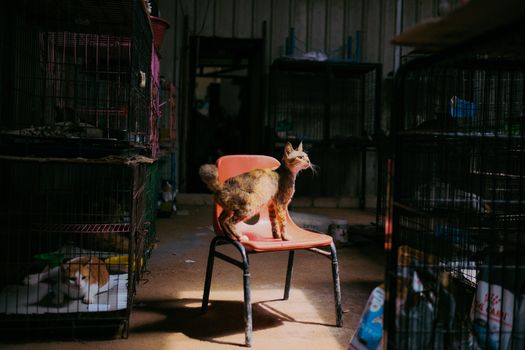
Volunteer at a local wildlife rescue centre, nature reserve, or animal sanctuary. You might help with feeding, cleaning, or even educational activities for visitors.

Flag Media

Please select a reason for flagging this content.

Veterinary Support Assistant

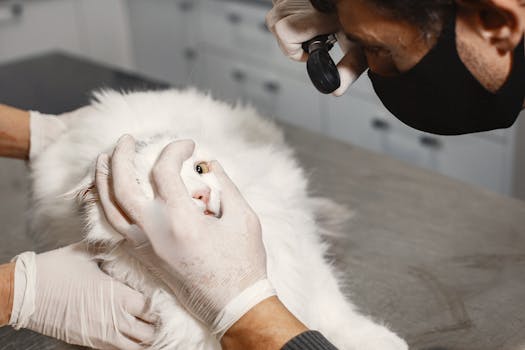
Work alongside vets and vet nurses, helping to care for sick or injured animals. This could involve comforting animals, keeping areas clean, and helping with basic check-ups.

Build Your Knowledge and Skills

Study Science at School

Focus on subjects like Biology and other sciences to understand animals and their environments.

Learning about biology will help you understand how animals' bodies work, why they behave in certain ways, and what they need to stay healthy. This knowledge is really important for a zookeeper as you'll be responsible for their well-being. Other science subjects like Chemistry can also be useful for understanding nutrition or habitats.

Volunteer or Get Work Experience

Try to get experience looking after animals, even pets, or volunteer at local animal shelters or farms.

Gaining practical experience, even if it's just looking after your own pets very carefully, shows you can be responsible for animals. Volunteering at an animal rescue centre, farm, or even a local pet shop will teach you about animal behaviour, hygiene, and daily care routines. This experience is highly valued by zoos and can help you decide if this career is right for you.

Learn About Different Animals

Read books, watch documentaries, and visit zoos to learn about various animal species and their needs.

The more you know about different types of animals – from tiny insects to large mammals – the better prepared you'll be. Understanding their natural habitats, diets, and social structures is crucial. Visiting zoos allows you to see zookeepers in action and observe a wide range of species firsthand, which can be very inspiring.

Get Formal Training

Consider College Courses

Look into college courses in Animal Management, Animal Care, or Zoology after you finish school.

Many zookeepers have qualifications like a BTEC, NVQ, or a degree in a relevant subject. These courses teach you specialist knowledge about animal welfare, husbandry, health, and conservation. They also often include practical elements, giving you hands-on experience and making you more attractive to employers.

Apprenticeships in Animal Care

Explore apprenticeships where you can learn on the job and get a qualification at the same time.

Apprenticeships are a fantastic way to learn practical skills directly from experienced professionals. You'll work in an animal care setting, like a zoo or wildlife park, gaining real-world experience while also studying towards a recognised qualification. This 'earn while you learn' approach can be very beneficial and help you build connections in the industry.

Gain Specialist Certifications

Once you're older, consider specific certifications in animal first aid or specific animal handling.

As you get closer to working with animals, certifications like animal first aid can be incredibly useful and sometimes required. These courses teach you how to respond to animal emergencies. Other specialist training might include how to safely handle different types of animals, which will make you a more valuable and capable zookeeper.

Start Your Career

Apply for Entry-Level Roles

Look for jobs as an Animal Care Assistant, Zookeeper Assistant, or Trainee Zookeeper at zoos or wildlife parks.

When you're ready, start applying for jobs that allow you to get your foot in the door. These roles might involve a lot of cleaning and basic care initially, but they are crucial for learning the ropes and gaining practical experience under the supervision of experienced zookeepers. Don't be disheartened if the first roles aren't exactly what you dreamed of; every step helps you grow.

Network and Make Connections

Talk to people already working in zoos and animal care, join online communities, and attend events.

Making friends and connections in the animal care world can open doors to new opportunities. People often hear about job openings before they are advertised, or they might be able to offer advice and guidance. Attending relevant workshops or conferences, even online, can also help you meet like-minded people and learn more about the industry.

Continue Learning and Developing

Always seek to learn new things about animals, conservation, and new techniques in animal care.

The world of animal care is always evolving. New research, technologies, and understanding of animal behaviour mean there's always something new to learn. Staying updated through workshops, courses, and reading will help you progress in your career and become an even better zookeeper, contributing more to animal welfare and conservation efforts.

🎬 Useful Videos

🎯 View Apprenticeships

Explore relevant apprenticeships that can help you kickstart your career in Zookeeper. Apprenticeships offer hands-on experience and training while earning a wage.

Career Progressions

No career progressions found for Zookeeper

Sample Qualifications

How to become

You can get into this job through:

  • a university course
  • a college course
  • an apprenticeship
  • working towards this role

University

You can do a foundation degree, higher national diploma or degree in:

  • animal or zoo management
  • animal behaviour and welfare
  • zoology or marine zoology
  • animal conservation and biodiversity
  • veterinary science
  • animal biology

It may help later when looking for work, if you do a course that includes work placements or an internship. You can search for courses through the British and Irish Association of Zoos and Aquariums.

Entry requirements

You'll usually need:

  • 1 or 2 A levels, or equivalent, for a foundation degree or higher national diploma
  • 2 or 3 A levels, or equivalent, including a science, for a degree

More Information

College

You could do a course before applying to a zoo for a trainee assistant zookeeper's job. Courses include:

  • animal care
  • biology
  • animal care and welfare management
  • T Level in Animal Care and Management

Entry requirements

Entry requirements for these courses vary.

  • 4 or 5 GCSEs at grades 9 to 4 (A* to C), or equivalent, including English and maths for a T Level

More Information

Apprenticeship

You could apply to do an apprenticeship with an animal welfare centre, wildlife park or zoo. Options include:

  • Animal Care and Welfare Assistant Level 2 Intermediate Apprenticeship
  • Animal Care and Welfare Manager Level 3 Advanced Apprenticeship
  • Keeper and Aquarist Level 3 Advanced Apprenticeship

You may be able to specialise in training zoo animals by completing an Animal Training Instructor Level 4 Higher Apprenticeship.

Entry requirements

You'll usually need:

  • some GCSEs, usually including English and maths, or equivalent, for an intermediate apprenticeship
  • 5 GCSEs at grades 9 to 4 (A* to C), or equivalent, including English and maths, for an advanced apprenticeship
  • 4 or 5 GCSEs at grades 9 to 4 (A* to C) and A levels, or equivalent, for a higher or degree apprenticeship

More Information

Work

You could start work as a keeper's assistant in a zoo or aquarium.

Once working, and with the backing of your employer, you could enrol on the 2-year Diploma in Management of Zoo and Aquarium Animals (DMZAA).

The Diploma may lead onto higher education training or opportunities to apply for more senior roles at your place of work.

Volunteering

There's a lot of competition for courses and trainee jobs, so getting work experience and volunteering at a zoo or aquarium is an excellent way to improve your career prospects.

If you're volunteering for at least 1 day a week, you may be able to do a Certificate in Management of Zoos and Aquarium Animals for Volunteers (CMZAAV). This is offered by the British and Irish Association of Zoos and Aquariums and gives you a foundation to build on for a career in zookeeping.

You can also get experience by volunteering at:

  • kennels, farms or riding stables
  • animal welfare sanctuaries or rescue centres

More Information

Career tips

Any experience of working with the public will be good preparation for educating zoo and wildlife centre visitors.

Many animal charities offer opportunities to promote animal welfare directly to the public, or online, through social media campaigns.

Further information

You can find out more about working in zoos from the British and Irish Association of Zoos and Aquariums.

Interested in More Career Paths?

Explore other careers or use our AI to discover personalised paths based on your interests.

Stay connected

Join our newsletter to stay up to date on features and releases

Address
Developing Experts Limited
Exchange Street Buildings
35-37 Exchange Street
Norwich
NR2 1DP
UK

Phone
01603 273515

Email
[email protected]

Copyright 2026 Developing Experts, All rights reserved.
