Creating Career Path...

Finding Further Careers...

Zookeeper

View this career for different education levels:

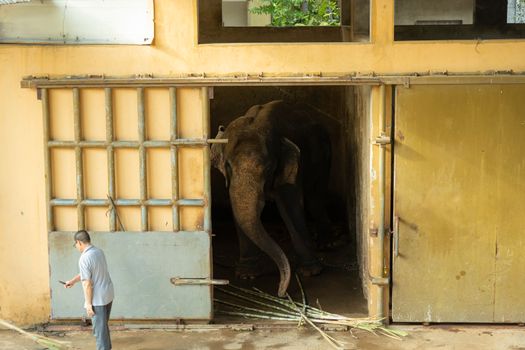
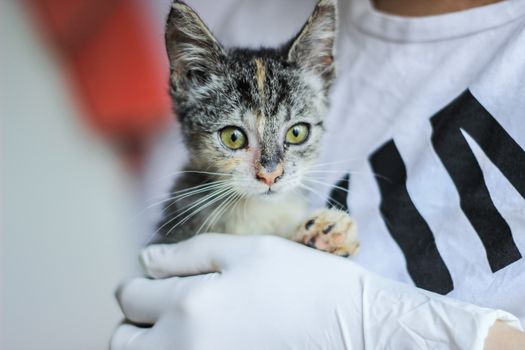
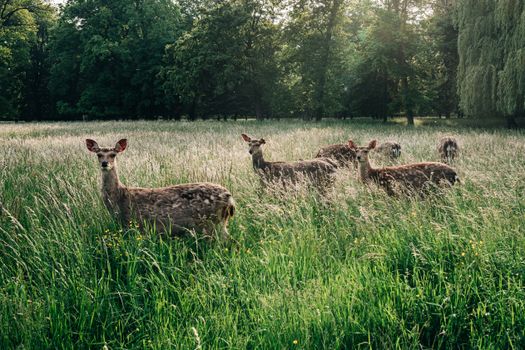
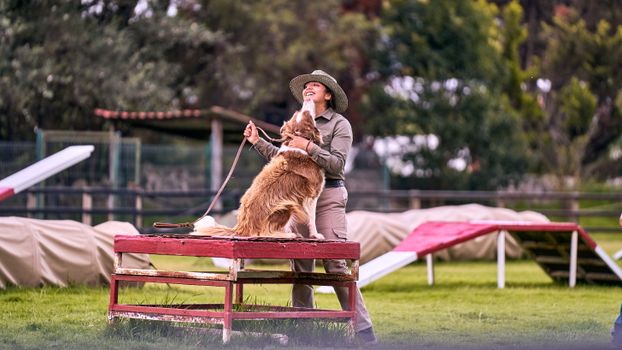
A Zookeeper plays a crucial role in the welfare and conservation of animals in zoos, safari parks, and wildlife centres across the UK. It is a highly hands-on career that involves much more than just feeding animals. Daily tasks typically include preparing specialised diets, cleaning and maintaining animal enclosures to the highest standards of hygiene, and monitoring the animals' health and behaviour very closely. Zookeepers are also responsible for enriching the animals' environments to stimulate natural behaviours, which might involve creating puzzles for food or introducing new elements to their habitats. Beyond direct animal care, Zookeepers often contribute to educational programmes for visitors, helping to raise awareness about conservation issues and the particular species they look after. They also meticulously record observations about animal health, behaviour, and enclosure conditions, which is vital for research and breeding programmes. This career requires immense dedication, physical fitness, and a deep understanding of animal biology and welfare. It is a rewarding path for those passionate about protecting and understanding the natural world.

Zookeeper

Flag Media

Please select a reason for flagging this content.

📊 Statistics

Average Starting Salary

For entry-level Zookeepers in the UK, starting salaries typically range from around 18,000 to 22,000 pounds per year. This can vary depending on the institution's size and location.

Experienced Zookeeper Salary

With several years of experience and additional responsibilities, a Zookeeper's salary can increase to between 24,000 and 30,000 pounds annually. Senior or specialist roles might command higher wages.

Job Market Outlook

The number of Zookeeper positions in the UK is relatively stable but competitive. Opportunities are often found in zoos, wildlife parks, and conservation centres across the country, with many roles advertised by larger organisations such as ZSL (Zoological Society of London).

🚀 Careers in this path

Flag Media

Please select a reason for flagging this content.

Animal Keeper

Working with a diverse range of animals in a zoo or wildlife park, focusing on daily care, feeding, enclosure maintenance, and monitoring animal health and behaviour. This role often involves hands-on interaction and precise record-keeping.

Flag Media

Please select a reason for flagging this content.

Wildlife Conservationist

Focusing on protecting wild animals and their habitats, which could involve field research, habitat restoration, public education, or working with conservation organisations. This role often combines scientific study with practical conservation efforts.

Flag Media

Please select a reason for flagging this content.

Animal Behaviourist

Studying and understanding animal behaviour, often to improve animal welfare or address behavioural issues. This could involve working in zoos, research institutions, or private practice, developing enrichment programmes or training strategies.

Build a Strong Foundation

Gain Relevant Qualifications

Acquire academic qualifications that demonstrate your understanding of animal biology and welfare.

Consider pursuing a college course (Level 2 or 3) such as Animal Care, Animal Management, or Zoology. Many zookeeping roles prefer candidates with a HNC/HND or a degree in a relevant subject like Zoology, Animal Science, Wildlife Conservation, or Biology. Some zoos offer apprenticeships that combine practical experience with study, which can be an excellent route into the profession.

Volunteer or Get Work Experience

Practical experience is vital for a zookeeper. Seek opportunities to work directly with animals.

Volunteer at a local animal shelter, wildlife rescue centre, farm, or even a smaller petting zoo. Any experience caring for a variety of animals, understanding their behaviour, and learning about animal welfare will be highly beneficial. This also helps you decide if zookeeping is truly the right path for you and builds a network within the animal care community.

Develop Key Skills

Cultivate essential skills that zookeepers use daily beyond just animal handling.

Excellent observation skills are crucial for monitoring animal health and behaviour. Good communication skills are needed for interacting with colleagues and the public. You'll also need to be physically fit, have a strong work ethic, be patient, meticulous with record-keeping, and possess problem-solving abilities. Health and safety awareness is also paramount in this role.

Enter the Profession

Apply for Entry-Level Roles

Look for trainee or assistant zookeeper positions to get your foot in the door.

Monitor job boards on zoo websites, industry-specific sites like BIAZA (British and Irish Association of Zoos and Aquariums), and general job sites. Be prepared for a competitive application process. Highlight all your relevant experience, even if it's voluntary, and tailor your CV and cover letter to each specific job description.

Demonstrate Dedication and Learn On The Job

Once employed, embrace every opportunity to learn and prove your commitment.

The first few years will involve extensive hands-on training under experienced zookeepers. You'll learn specific animal husbandry techniques, diet preparation, enclosure maintenance, and enrichment strategies for a wide variety of species. Ask questions, take initiative, and show a genuine passion for animal welfare and conservation. Attend any internal training courses offered.

Network and Stay Informed

Build connections within the zoo community and keep your knowledge current.

Attend workshops, seminars, and conferences related to animal care, conservation, and zoology. Engage with other zookeepers and professionals in the field. Reading industry publications and staying up-to-date with new research and best practices in animal welfare and conservation will be invaluable for your continuous professional development.

Career Progression

Specialise in a Specific Animal Group

As you gain experience, you might choose to focus on a particular type of animal.

Many zookeepers develop expertise in specific animal groups like primates, carnivores, birds, reptiles, or marine animals. This specialisation can lead to more senior roles, such as Senior Zookeeper or Team Leader, where you manage a section of the zoo and mentor junior staff. This requires deep knowledge of the specific species' biology, behaviour, and conservation needs.

Pursue Advanced Roles

With significant experience and leadership skills, you can advance to management positions.

Roles like Head Zookeeper, Section Leader, or Curator involve greater responsibility, including staff management, budget oversight, animal collection planning, research coordination, and contributing to conservation programmes. These positions often require a proven track record of excellent animal care, strong leadership abilities, and strategic thinking.

Contribute to Conservation and Research

Engage in wider conservation efforts and research projects to make a broader impact.

Zookeepers often play a crucial role in Species Survival Plans (SSP) and captive breeding programmes. You could contribute to data collection for research, participate in field conservation projects, or become involved in educational outreach programmes. This demonstrates a commitment to the wider goals of modern zoos beyond daily animal care.

🎬 Useful Videos

🎯 View Apprenticeships

Explore relevant apprenticeships that can help you kickstart your career in Zookeeper. Apprenticeships offer hands-on experience and training while earning a wage.

Career Progressions

No career progressions found for Zookeeper

Sample Qualifications

How to become

You can get into this job through:

  • a university course
  • a college course
  • an apprenticeship
  • working towards this role

University

You can do a foundation degree, higher national diploma or degree in:

  • animal or zoo management
  • animal behaviour and welfare
  • zoology or marine zoology
  • animal conservation and biodiversity
  • veterinary science
  • animal biology

It may help later when looking for work, if you do a course that includes work placements or an internship. You can search for courses through the British and Irish Association of Zoos and Aquariums.

Entry requirements

You'll usually need:

  • 1 or 2 A levels, or equivalent, for a foundation degree or higher national diploma
  • 2 or 3 A levels, or equivalent, including a science, for a degree

More Information

College

You could do a course before applying to a zoo for a trainee assistant zookeeper's job. Courses include:

  • animal care
  • biology
  • animal care and welfare management
  • T Level in Animal Care and Management

Entry requirements

Entry requirements for these courses vary.

  • 4 or 5 GCSEs at grades 9 to 4 (A* to C), or equivalent, including English and maths for a T Level

More Information

Apprenticeship

You could apply to do an apprenticeship with an animal welfare centre, wildlife park or zoo. Options include:

  • Animal Care and Welfare Assistant Level 2 Intermediate Apprenticeship
  • Animal Care and Welfare Manager Level 3 Advanced Apprenticeship
  • Keeper and Aquarist Level 3 Advanced Apprenticeship

You may be able to specialise in training zoo animals by completing an Animal Training Instructor Level 4 Higher Apprenticeship.

Entry requirements

You'll usually need:

  • some GCSEs, usually including English and maths, or equivalent, for an intermediate apprenticeship
  • 5 GCSEs at grades 9 to 4 (A* to C), or equivalent, including English and maths, for an advanced apprenticeship
  • 4 or 5 GCSEs at grades 9 to 4 (A* to C) and A levels, or equivalent, for a higher or degree apprenticeship

More Information

Work

You could start work as a keeper's assistant in a zoo or aquarium.

Once working, and with the backing of your employer, you could enrol on the 2-year Diploma in Management of Zoo and Aquarium Animals (DMZAA).

The Diploma may lead onto higher education training or opportunities to apply for more senior roles at your place of work.

Volunteering

There's a lot of competition for courses and trainee jobs, so getting work experience and volunteering at a zoo or aquarium is an excellent way to improve your career prospects.

If you're volunteering for at least 1 day a week, you may be able to do a Certificate in Management of Zoos and Aquarium Animals for Volunteers (CMZAAV). This is offered by the British and Irish Association of Zoos and Aquariums and gives you a foundation to build on for a career in zookeeping.

You can also get experience by volunteering at:

  • kennels, farms or riding stables
  • animal welfare sanctuaries or rescue centres

More Information

Career tips

Any experience of working with the public will be good preparation for educating zoo and wildlife centre visitors.

Many animal charities offer opportunities to promote animal welfare directly to the public, or online, through social media campaigns.

Further information

You can find out more about working in zoos from the British and Irish Association of Zoos and Aquariums.

Interested in More Career Paths?

Explore other careers or use our AI to discover personalised paths based on your interests.

Stay connected

Join our newsletter to stay up to date on features and releases

Address
Developing Experts Limited
Exchange Street Buildings
35-37 Exchange Street
Norwich
NR2 1DP
UK

Phone
01603 273515

Email
[email protected]

Copyright 2026 Developing Experts, All rights reserved.