
Creating Career Path...

Finding Further Careers...

Zookeeper

View this career for different education levels:

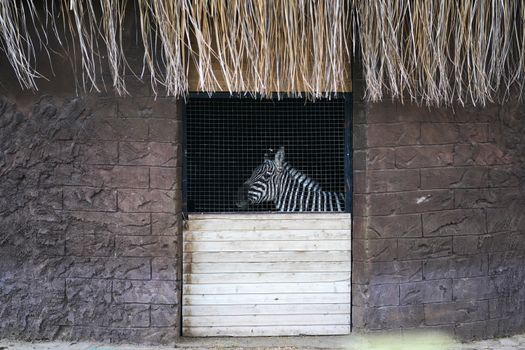
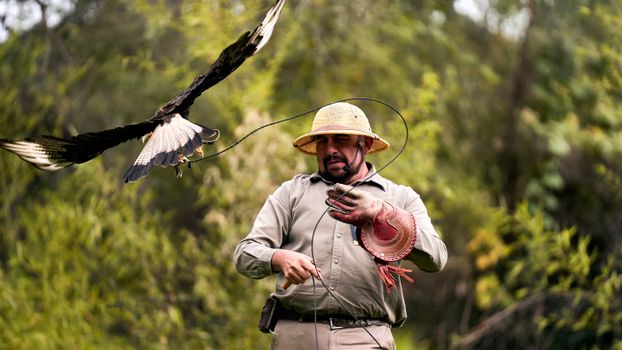
Imagine spending your days with amazing animals like monkeys, tigers, or penguins! That's what a zookeeper does. They are like special carers for animals in a zoo or wildlife park. Their main job is to make sure the animals are happy, healthy, and safe. This means giving them fresh food and water every day, cleaning their homes to keep them spick and span, and checking that they are not feeling poorly. Zookeepers also help to make sure the animals have fun things to do, like puzzles to find their food, which is called enrichment. They learn a lot about each animal and help teach visitors about them too! It's a job where you get to be outdoors a lot, rain or shine, and you need to be very kind and patient with animals. You learn so much about different creatures from all over the world!

Zookeeper

Flag Media

Please select a reason for flagging this content.

📊 Statistics

Starting Salary

A new zookeeper in the UK might earn around 18,000 to 22,000 pounds a year.

Experienced Salary

With more experience, a zookeeper could earn between 23,000 and 28,000 pounds a year. Head zookeepers can earn even more.

Number of Positions

There are many zoos and wildlife parks across the UK, meaning lots of opportunities to look after animals, though it can be a popular job.

🚀 Careers in this path

Flag Media

Please select a reason for flagging this content.

Animal Keeper Assistant

Helping the main zookeeper look after the animals, making sure they have food, water, and clean homes. You might help prepare yummy snacks for the monkeys or tidy up the giraffe enclosure.

Flag Media

Please select a reason for flagging this content.

Zoo Educator

Teaching children and grown-ups all about the amazing animals at the zoo. You could lead fun tours, tell stories about the animals, and help people understand why it's important to protect them.

Flag Media

Please select a reason for flagging this content.

Wildlife Rescuer Helper

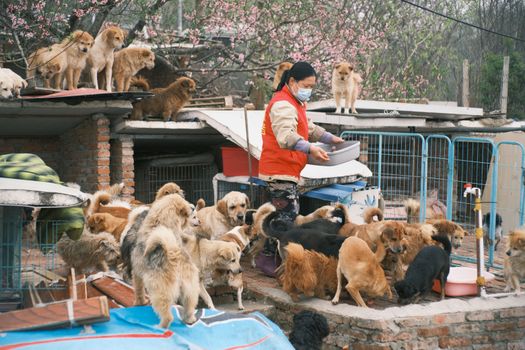
Working with a team to help wild animals that are hurt or lost. This could mean helping to look after birds, foxes, or hedgehogs until they are well enough to go back to their natural homes.

Learning About Animals

Read Animal Books

Start by reading lots of books about different animals, like lions, monkeys, and penguins. Learn where they live, what they eat, and how they play.

There are many wonderful books at your local library or bookshop about animals from all over the world. Look for non-fiction books that teach you facts, and also storybooks that show animals in their natural habitats. You can also find books about zoos and what zookeepers do every day.

Watch Animal Documentaries

Watch TV shows or videos about animals and nature. This is a fun way to see animals in action and learn how they behave.

Programmes like 'Planet Earth' or 'Blue Planet' are fantastic for seeing animals in their wild homes. You can also find shorter videos online that show zookeepers working with animals at different zoos. Pay attention to how the animals move, what noises they make, and how they interact with each other.

Visit the Zoo

Ask your grown-ups to take you to a zoo or animal park. You can see the animals up close and watch the zookeepers at work.

When you visit, try to observe the zookeepers. What are they doing? Are they cleaning, feeding, or talking to the animals? You might even be able to ask them a question about their job. Remember to be quiet and respectful around the animals, as they can get scared by loud noises.

Helping Animals

Care for a Pet

If you have a pet at home, like a cat, dog, or hamster, help look after them. Feed them, play with them, and make sure their home is clean.

Looking after a pet teaches you important responsibilities. You learn about daily routines, hygiene, and how to tell if an animal is feeling well or needs attention. Even small tasks like refilling a water bowl or brushing a pet are great practice for being a zookeeper.

Help Wildlife in Your Garden

You can help local wildlife by putting out bird feeders, making a bug hotel, or planting flowers that bees like.

Even in your own garden, you can make a difference for animals. Providing food and shelter for birds, insects, and other small creatures helps you understand the needs of different species. It also shows you how important it is to protect their homes and food sources.

Be Kind to All Creatures

Always be gentle and kind to all animals you meet, big or small. Remember they can feel things too!

Being gentle and showing empathy towards animals is a very important quality for a zookeeper. Animals respond best to calm and kind people. Understanding that every animal deserves respect and a safe environment is key to being a good animal carer.

Planning for the Future

Do Well at School

Pay attention in science lessons, especially biology, as zookeepers need to know a lot about animal bodies and how they live.

Learning about science at school, especially biology, is really useful for becoming a zookeeper. You'll learn about animal anatomy, behaviour, and ecosystems. Good grades in these subjects will help you when you're older and want to study animal care further.

Join an Animal Club

See if your school or a local organisation has an animal club or nature group you can join to learn more with friends.

Joining a club can be a great way to meet other people who love animals. You might go on nature walks, learn about local wildlife, or even help with small conservation projects. These activities will give you more hands-on experience and knowledge.

Think About Volunteering

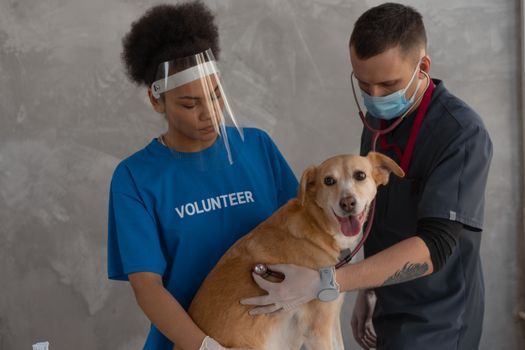
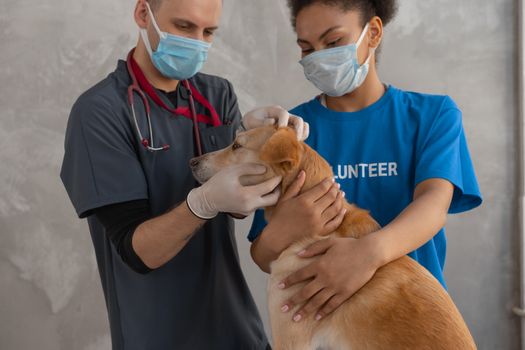
When you're a bit older, you could volunteer at an animal shelter or local farm. This helps you get real experience working with animals.

As you get older, gaining practical experience is very important. Volunteering, even for a few hours a week, can teach you a lot about animal behaviour, cleaning enclosures, and daily care routines. It's a fantastic way to show that you are dedicated and passionate about working with animals, which is something zoos look for.

🎬 Useful Videos

🎯 View Apprenticeships

Explore relevant apprenticeships that can help you kickstart your career in Zookeeper. Apprenticeships offer hands-on experience and training while earning a wage.

Career Progressions

No career progressions found for Zookeeper

Sample Qualifications

How to become

You can get into this job through:

  • a university course
  • a college course
  • an apprenticeship
  • working towards this role

University

You can do a foundation degree, higher national diploma or degree in:

  • animal or zoo management
  • animal behaviour and welfare
  • zoology or marine zoology
  • animal conservation and biodiversity
  • veterinary science
  • animal biology

It may help later when looking for work, if you do a course that includes work placements or an internship. You can search for courses through the British and Irish Association of Zoos and Aquariums.

Entry requirements

You'll usually need:

  • 1 or 2 A levels, or equivalent, for a foundation degree or higher national diploma
  • 2 or 3 A levels, or equivalent, including a science, for a degree

More Information

College

You could do a course before applying to a zoo for a trainee assistant zookeeper's job. Courses include:

  • animal care
  • biology
  • animal care and welfare management
  • T Level in Animal Care and Management

Entry requirements

Entry requirements for these courses vary.

  • 4 or 5 GCSEs at grades 9 to 4 (A* to C), or equivalent, including English and maths for a T Level

More Information

Apprenticeship

You could apply to do an apprenticeship with an animal welfare centre, wildlife park or zoo. Options include:

  • Animal Care and Welfare Assistant Level 2 Intermediate Apprenticeship
  • Animal Care and Welfare Manager Level 3 Advanced Apprenticeship
  • Keeper and Aquarist Level 3 Advanced Apprenticeship

You may be able to specialise in training zoo animals by completing an Animal Training Instructor Level 4 Higher Apprenticeship.

Entry requirements

You'll usually need:

  • some GCSEs, usually including English and maths, or equivalent, for an intermediate apprenticeship
  • 5 GCSEs at grades 9 to 4 (A* to C), or equivalent, including English and maths, for an advanced apprenticeship
  • 4 or 5 GCSEs at grades 9 to 4 (A* to C) and A levels, or equivalent, for a higher or degree apprenticeship

More Information

Work

You could start work as a keeper's assistant in a zoo or aquarium.

Once working, and with the backing of your employer, you could enrol on the 2-year Diploma in Management of Zoo and Aquarium Animals (DMZAA).

The Diploma may lead onto higher education training or opportunities to apply for more senior roles at your place of work.

Volunteering

There's a lot of competition for courses and trainee jobs, so getting work experience and volunteering at a zoo or aquarium is an excellent way to improve your career prospects.

If you're volunteering for at least 1 day a week, you may be able to do a Certificate in Management of Zoos and Aquarium Animals for Volunteers (CMZAAV). This is offered by the British and Irish Association of Zoos and Aquariums and gives you a foundation to build on for a career in zookeeping.

You can also get experience by volunteering at:

  • kennels, farms or riding stables
  • animal welfare sanctuaries or rescue centres

More Information

Career tips

Any experience of working with the public will be good preparation for educating zoo and wildlife centre visitors.

Many animal charities offer opportunities to promote animal welfare directly to the public, or online, through social media campaigns.

Further information

You can find out more about working in zoos from the British and Irish Association of Zoos and Aquariums.

Interested in More Career Paths?

Explore other careers or use our AI to discover personalised paths based on your interests.

Stay connected

Join our newsletter to stay up to date on features and releases

Address
Developing Experts Limited
Exchange Street Buildings
35-37 Exchange Street
Norwich
NR2 1DP
UK

Phone
01603 273515

Email
[email protected]

Copyright 2026 Developing Experts, All rights reserved.
