

Creating Career Path...

Finding Further Careers...

Optician

View this career for different education levels:

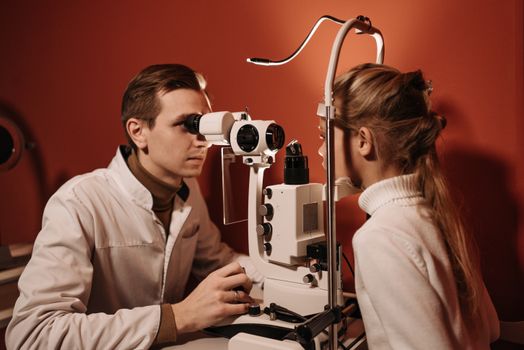
An optician is a healthcare professional who helps people with their eyesight. There are two main types of opticians in the UK: optometrists and dispensing opticians. An optometrist is trained to examine eyes to check for problems like short-sightedness or long-sightedness, and also to look for eye diseases. They prescribe glasses or contact lenses and can refer you to a doctor if you have a serious eye condition. Dispensing opticians then help you choose the best frames and lenses for your prescription, making sure they fit well and look good. Both roles involve a lot of talking to people, being very careful with details, and using special equipment to measure eyes and fit glasses. It is a rewarding job because you help people see better, which can make a big difference to their daily lives and learning at school.

Optician

Flag Media

Please select a reason for flagging this content.

📊 Statistics

Average Starting Salary

A newly qualified optician in the UK might expect to earn around 25,000 to 30,000 pounds per year.

Experienced Optician Salary

With a few years of experience, a UK optician's salary can go up to 35,000 to 50,000 pounds annually, and even more for those in management or specialist roles.

Number of Opticians

There are over 15,000 optometrists and dispensing opticians registered and working in the UK, making it a busy and important job.

🚀 Careers in this path

Flag Media

Please select a reason for flagging this content.

Dispensing Optician

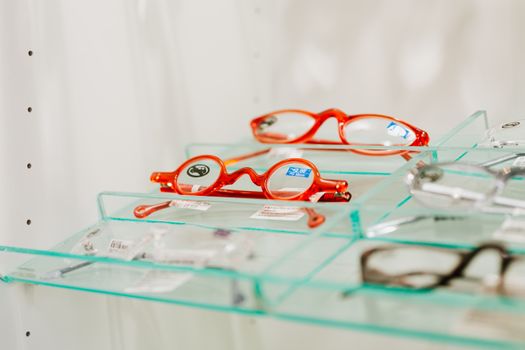
Helps people choose the best glasses or contact lenses and makes sure they fit perfectly. They might explain different lens options and styles to customers.

Flag Media

Please select a reason for flagging this content.

Ophthalmic Assistant

Works alongside an optometrist, helping with eye tests by taking measurements, preparing equipment, and making sure patients feel comfortable before seeing the eye doctor.

Flag Media

Please select a reason for flagging this content.

Optical Lab Technician

Works in a lab making glasses. They use special machines to cut and shape lenses and fit them into frames according to a prescription. It's a bit like making something with precision tools.

Build a Strong Foundation

Focus on Science and Maths at School

Doing well in science subjects like Biology, Physics, and Chemistry, along with Maths, will give you a great start for becoming an Optician.

At school, try to choose these subjects for your GCSEs and A-levels if you can. Understanding how the eye works, how light behaves, and using calculations are all really important in optometry. These subjects will build the scientific thinking and problem-solving skills you'll need later on.

Learn About Eyes and Vision

Start learning about how eyes work, common eye problems, and what opticians do. You can find lots of information online or in books.

Look up simple explanations of the parts of the eye, like the pupil, iris, and retina. Understand why some people need glasses (e.g., short-sightedness or long-sightedness). Knowing these basics will make future learning much easier and show you're really interested in the career.

Visit an Optician

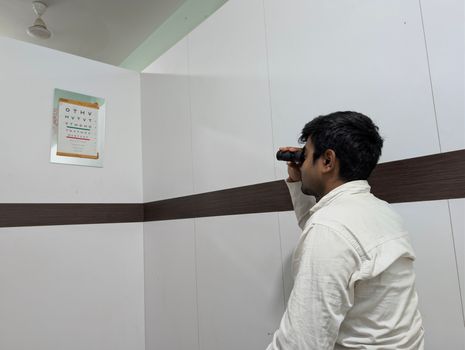
Get your own eyes tested and pay attention to what the optician does. You could even ask them a few questions about their job.

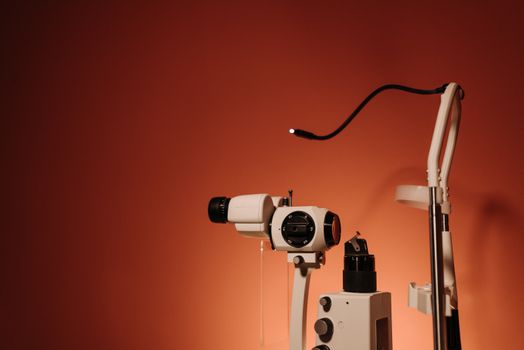
When you have your regular eye test, think about the different machines they use and why they use them. What questions do they ask you? How do they decide what prescription you need? Seeing it in action will give you a real-life insight into the day-to-day work of an optician.

University Education and Training

Study Optometry at University

After your A-levels, you'll need to go to university to study a degree in Optometry.

This is usually a three or four-year course that teaches you everything you need to know about eyes, vision, eye diseases, and how to prescribe and dispense corrective lenses. Look at different universities that offer Optometry courses and what their entry requirements are, as they can sometimes vary.

Complete a Pre-registration Year

After your degree, you'll need to do a year of supervised practical training in a real optometry practice.

This year is like an apprenticeship where you put all your university learning into practice, working with real patients under the guidance of an experienced optician. You'll gain hands-on experience in eye examinations, prescribing glasses and contacts, and managing different eye conditions.

Pass Professional Exams

At the end of your pre-registration year, you'll take final exams to become a fully qualified and registered Optician.

These exams are set by the General Optical Council (GOC), which is the UK's regulator for opticians. Passing these exams means you are competent and safe to practice on your own, and you can then register with the GOC to start your career.

Start Your Career and Grow

Work as a Qualified Optician

Once qualified and registered, you can start working in various settings, helping people with their vision.

You could work in a high street optical practice, a hospital eye department, or even for a large optical chain. Your main role will be to examine patients' eyes, diagnose problems, prescribe corrective lenses, and give advice on eye health.

Continue Learning

Optometry is always changing, so it's important to keep learning throughout your career to stay up-to-date.

You'll need to do something called 'Continuing Professional Development' (CPD). This means attending courses, workshops, and reading journals to learn about new technologies, treatments, and best practices. This ensures you always provide the best care to your patients.

Specialise or Advance

As you gain experience, you might choose to specialise in a particular area or take on more senior roles.

You could specialise in areas like contact lenses, children's vision (paediatric optometry), low vision aids, or even eye conditions like glaucoma. You could also progress to managing an optician's practice, becoming a clinical tutor, or even opening your own practice one day.

🎯 View Apprenticeships

Explore relevant apprenticeships that can help you kickstart your career in Optician. Apprenticeships offer hands-on experience and training while earning a wage.

Career Progressions

This page showcases various career options and the pathways to reach them. Each career listed here shares transferable skills and knowledge, making it easier for individuals to transition between them.

Your current career is highlighted to help you see how it fits into the broader landscape of potential career choices. By clicking on any career, you can learn more about it, including the training and education required to pursue it.

Remember, progressing in your career often involves further learning and training. This page provides insights into future career options as well as those that can lead up to your current one.

These career progression decisions are informed by comparing the skills and knowledge needed for different occupations, along with data on how people move between them. Explore the possibilities and discover the exciting journey ahead in your career!

Sample Qualifications

An Optician, in common parlance, is typically someone who dispenses spectacles and contact lenses based on prescriptions from an optometrist or ophthalmologist, which directly aligns with the role of a Dispensing optician.

How to become

You can get into this job through:

  • a university course
  • an apprenticeship
  • working towards this role

University

To qualify as a dispensing optician, you must complete a degree course approved by the General Optical Council.

You'll also need to pass the professional qualifying exams by the Association of British Dispensing Opticians (ABDO).

Entry requirements

You'll usually need:

  • 5 GCSEs at grades 9 to 4 (A* to C), or equivalent, including English, maths and science
  • 1 or 2 A levels, or equivalent, including a science

More Information

Apprenticeship

You may be able to apply for a place on a Dispensing Optician Level 6 Degree Apprenticeship, with a commercial optician.

This can take 3 years to complete. It's equivalent to degree level and leads to a professional qualification.

Entry requirements

To do this apprenticeship, you'll need:

  • 4 or 5 GCSEs at grades 9 to 4 (A* to C) and A levels, or equivalent, for a degree apprenticeship

More Information

Work

If you're working in an optician practice, as an assistant or optical technician, you may be able to do training on the job through an apprenticeship or part-time degree course. You'll need the support of your employer to do this.

More Information

Registration

Career tips

You might find it helpful to get some experience in an optician before you apply to study. You can see how to find work experience from the Association of British Dispensing Opticians (ABDO).

Professional and industry bodies

You could join the Association of British Dispensing Opticians (ABDO) for professional development and training opportunities.

Further information

You can learn more about a career as a dispensing optician from the Association of British Dispensing Opticians (ABDO) and the General Optical Council.

Interested in More Career Paths?

Explore other careers or use our AI to discover personalised paths based on your interests.

Stay connected

Join our newsletter to stay up to date on features and releases

Address
Developing Experts Limited
Exchange Street Buildings
35-37 Exchange Street
Norwich
NR2 1DP
UK

Phone
01603 273515

Email
[email protected]

Copyright 2026 Developing Experts, All rights reserved.
