

Creating Career Path...

Finding Further Careers...

Optician

View this career for different education levels:

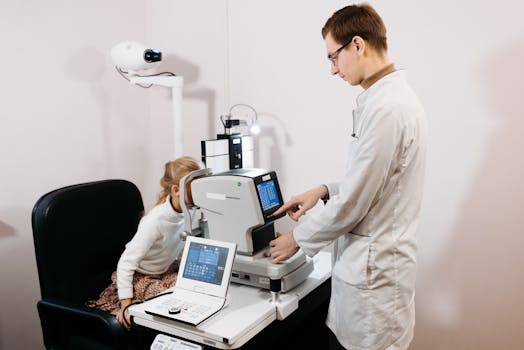
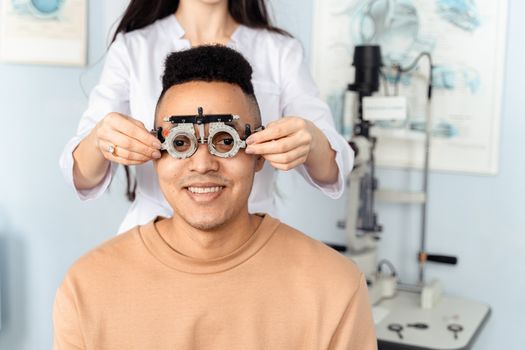
Imagine a superhero who helps people see the world clearly! That's a bit like an Optician. An Optician is a very important person who looks after people's eyes. They use special machines to check if your eyes are working well and if you need glasses or contact lenses. They help you choose the best glasses that fit your face and help you see perfectly. They also teach you how to look after your eyes and keep them healthy. It is a job where you get to meet lots of different people and make a big difference to their lives by helping them see better for school, playing games, and reading books. You need to be good at listening, very careful, and enjoy helping others to be a great Optician. They work in shops called opticians, sometimes in hospitals, or even in schools checking children's eyes.

Optician

Flag Media

Please select a reason for flagging this content.

📊 Statistics

Salary Range

An Optician in the UK usually earns between 25,000 to 45,000 pounds a year. This can be more if they have lots of experience or own their own shop.

Number of Opticians

There are over 16,000 Opticians working in the UK, helping lots of people to see clearly every day.

Working Hours

Most Opticians work about 37 to 40 hours a week. They might work some Saturdays too, as that is when many people visit for eye tests.

🚀 Careers in this path

Flag Media

Please select a reason for flagging this content.

Children's Optician

This is like a special eye doctor just for kids! They make sure young eyes are healthy and can see clearly to read books and play games. They help choose cool glasses if needed.

Flag Media

Please select a reason for flagging this content.

Optical Assistant

This person works in the optician's shop and helps people try on different glasses frames to find the ones they like best. They also help keep everything tidy and organised.

Flag Media

Please select a reason for flagging this content.

Eye Health Educator

This person teaches other children and grown-ups how to look after their eyes, like eating carrots, wearing sunglasses, and taking breaks from screens. They might visit schools to share their knowledge.

Learning About Eyes

Look after your eyes

It's super important to keep your eyes healthy, even when you're young! This means eating healthy food and playing safely.

Eating carrots, leafy greens like spinach, and fruits can help keep your eyes strong. When you're playing games, especially with balls or sticks, remember to be careful and maybe even wear safety goggles to protect your eyes from bumps. Also, try not to stare at screens for too long without taking a break!

Visit the Optician

Ask your grown-ups to take you to see an optician. You can watch how they check eyes and ask questions!

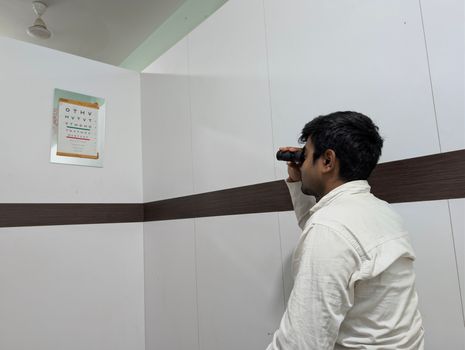
When you visit an optician, they use special charts and cool machines to see how well your eyes work. They might show you letters or pictures and ask you to read them. It's a great way to learn about what an optician does and how they help people. Don't be shy to ask them about their job!

Read books about the body

Find books about the human body, especially chapters about the eyes and how they work.

Libraries have lots of fantastic books about how our bodies work. Look for ones that explain what eyes are made of, like the pupil and the iris, and how they help us see colours and shapes. Understanding how your eyes work now will give you a head start for when you're older!

Growing Your Knowledge

Do well in Science

When you're at school, pay extra attention in your science lessons, especially when you learn about the human body and light.

Science lessons are where you learn how things work, and that includes your eyes! Understanding how light travels and how different parts of the eye help us see will be really useful. Your teachers can help you understand these tricky but exciting topics.

Think about College

When you're a bit older, you'll need to go to college and study subjects like Biology, Physics, and Maths.

To become an optician, you usually need to do well in subjects like Biology, which helps you understand the body, and Physics, which teaches you about light. Maths is also important for understanding measurements and calculations. These subjects are taught in secondary school and then in college, helping you prepare for university.

Explore different paths

Learn about the different types of opticians: 'Dispensing Opticians' who help with glasses, and 'Optometrists' who check eyes.

There are different roles in eye care! A Dispensing Optician helps people choose and fit their glasses and contact lenses. An Optometrist is the person who does the eye tests and checks for eye health problems. Both are really important jobs, and it's good to know which one sounds more interesting to you!

Becoming an Optician

Go to University

After college, you'll need to go to university to study a special course called Optometry or Ophthalmic Dispensing.

University courses for Optometry usually last three or four years and teach you everything you need to know about eyes, eye diseases, and how to test vision. For Ophthalmic Dispensing, the courses are a bit different but still teach you how to choose and fit glasses and contact lenses properly. These courses are essential for becoming a qualified optician.

Do a Work Placement

While you're at university, you'll get to work in an optician's practice to learn real-life skills.

Work placements are super important because they let you practice what you've learned in university with real patients! You'll work alongside experienced opticians, helping them with eye tests, fitting glasses, and learning how to talk to people about their eyes. This hands-on experience is key to becoming a brilliant optician.

Get Registered

Once you finish university and your work placement, you'll need to register with the GOC (General Optical Council) to officially become an optician.

The General Optical Council (GOC) is like a special club for opticians that makes sure everyone is properly trained and does a good job. Once you've completed all your studies and training, you apply to the GOC to become a registered professional. This means you are officially qualified and ready to help people see clearly!

🎯 View Apprenticeships

Explore relevant apprenticeships that can help you kickstart your career in Optician. Apprenticeships offer hands-on experience and training while earning a wage.

Career Progressions

This page showcases various career options and the pathways to reach them. Each career listed here shares transferable skills and knowledge, making it easier for individuals to transition between them.

Your current career is highlighted to help you see how it fits into the broader landscape of potential career choices. By clicking on any career, you can learn more about it, including the training and education required to pursue it.

Remember, progressing in your career often involves further learning and training. This page provides insights into future career options as well as those that can lead up to your current one.

These career progression decisions are informed by comparing the skills and knowledge needed for different occupations, along with data on how people move between them. Explore the possibilities and discover the exciting journey ahead in your career!

Sample Qualifications

An Optician typically refers to a Dispensing Optician, who is responsible for fitting and supplying spectacles and other visual aids based on prescriptions provided by an Optometrist or Ophthalmologist. An Optometrist, in contrast, performs eye examinations and diagnoses vision problems and eye diseases.

How to become

You can get into this job through:

  • a university course
  • an apprenticeship
  • working towards this role

University

To qualify as a dispensing optician, you must complete a degree course approved by the General Optical Council.

You'll also need to pass the professional qualifying exams by the Association of British Dispensing Opticians (ABDO).

Entry requirements

You'll usually need:

  • 5 GCSEs at grades 9 to 4 (A* to C), or equivalent, including English, maths and science
  • 1 or 2 A levels, or equivalent, including a science

More Information

Apprenticeship

You may be able to apply for a place on a Dispensing Optician Level 6 Degree Apprenticeship, with a commercial optician.

This can take 3 years to complete. It's equivalent to degree level and leads to a professional qualification.

Entry requirements

To do this apprenticeship, you'll need:

  • 4 or 5 GCSEs at grades 9 to 4 (A* to C) and A levels, or equivalent, for a degree apprenticeship

More Information

Work

If you're working in an optician practice, as an assistant or optical technician, you may be able to do training on the job through an apprenticeship or part-time degree course. You'll need the support of your employer to do this.

More Information

Registration

Career tips

You might find it helpful to get some experience in an optician before you apply to study. You can see how to find work experience from the Association of British Dispensing Opticians (ABDO).

Professional and industry bodies

You could join the Association of British Dispensing Opticians (ABDO) for professional development and training opportunities.

Further information

You can learn more about a career as a dispensing optician from the Association of British Dispensing Opticians (ABDO) and the General Optical Council.

Interested in More Career Paths?

Explore other careers or use our AI to discover personalised paths based on your interests.

Stay connected

Join our newsletter to stay up to date on features and releases

Address
Developing Experts Limited
Exchange Street Buildings
35-37 Exchange Street
Norwich
NR2 1DP
UK

Phone
01603 273515

Email
[email protected]

Copyright 2026 Developing Experts, All rights reserved.
