
Creating Career Path...

Finding Further Careers...

Museum Scientist

View this career for different education levels:

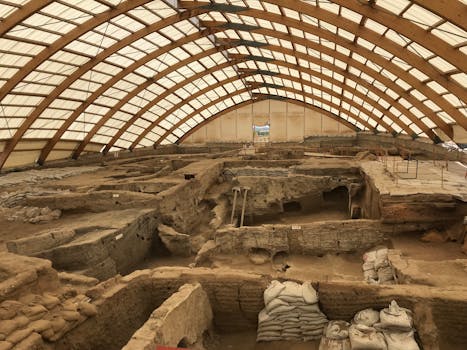
A Museum Scientist is like a detective for history and nature, working in a museum! Instead of solving crimes, they study and look after amazing collections of objects, specimens, and artefacts. This could be anything from dinosaur bones, ancient pottery, rare plants, or historical tools. They use their scientific knowledge to understand these items better, figuring out what they are, where they came from, and how old they are. They might do research, write papers, and even help design exhibitions so visitors can learn from these treasures too. It's a job that mixes science, history, and sharing knowledge with others. Their day-to-day work can be really varied. One day they might be carefully examining a fossil under a microscope, the next they could be researching historical documents to understand an old artefact, or perhaps cataloguing new items that have arrived at the museum. They are also super important for preserving these items, making sure they are stored safely so they dont get damaged and can be enjoyed by many generations to come. It is a fantastic career for someone who loves science, history, and wants to protect and share our world's incredible past.

Museum Scientist

Flag Media

Please select a reason for flagging this content.

📊 Statistics

Average Salary (UK)

For early career Museum Scientists, salaries might start around 20,000 to 25,000 pounds per year. With more experience, this could rise to 30,000 to 40,000 pounds, and senior roles could even reach 50,000 pounds or more.

Job Market (UK)

While specific numbers for 'Museum Scientist' are tricky to find, roles in museums are competitive. Websites like 'Museums Association Jobs' and 'Jobs.ac.uk' often list vacancies. There are opportunities in larger national museums, university museums, and smaller local institutions across the UK.

Typical Working Hours

Most Museum Scientists work standard full-time hours, usually around 35-40 hours a week, Monday to Friday. However, sometimes there might be evening or weekend work for events, exhibitions, or special projects.

🚀 Careers in this path

Flag Media

Please select a reason for flagging this content.

Palaeontologist

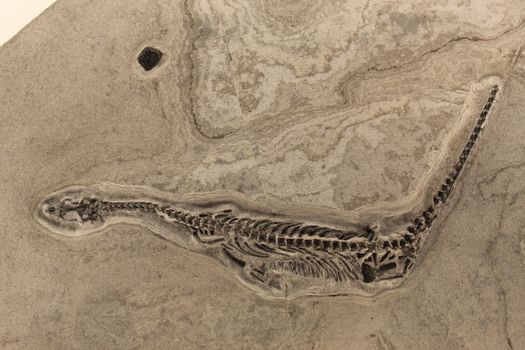
Imagine digging up dinosaur bones or finding ancient plants. A palaeontologist studies fossils to learn about life from millions of years ago, helping us understand Earth's history. You could work in a museum or go on exciting digs.

Flag Media

Please select a reason for flagging this content.

Conservation Scientist

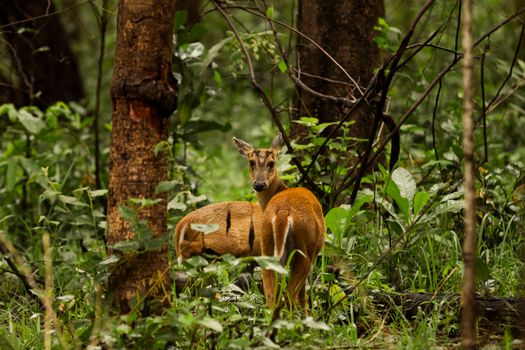
If you love nature and want to protect it, a conservation scientist is a great path. You'd study plants, animals, and ecosystems to find the best ways to keep them safe from harm, perhaps working with rare species or preserving natural habitats.

Flag Media

Please select a reason for flagging this content.

Archaeologist

An archaeologist is like a detective, but for history! You would excavate sites to find ancient objects and structures, learning about how people lived in the past. This could involve digging up Roman coins or discovering old village layouts.

Build a Foundation

Discover Your Interests

Start by thinking about what parts of history, science, or nature you find most exciting. Do you love dinosaurs, ancient Egyptians, rocks, or old artworks?

Museum scientists specialise in many different areas. If you enjoy learning about dinosaurs, you might become a palaeontologist. If old objects fascinate you, archaeology or conservation might be your path. Spend time reading books, watching documentaries, and visiting museums to see what sparks your curiosity the most. This early exploration helps you decide what kind of museum scientist you'd like to be.

Do Well in School

Focus on subjects like Science (Biology, Chemistry, Physics), History, and English. These subjects give you important skills for museum work.

For a career as a museum scientist, a good grasp of science is often essential, especially for roles involving natural history collections or scientific conservation. History helps you understand context for human-made objects, and strong English skills are crucial for writing reports, research papers, and communicating your findings to others. Try your best in all subjects, but give extra attention to those that relate to your interests.

Visit Museums Often

Spend time exploring different types of museums. Look at how things are displayed, read the labels, and see what the museum scientists do.

Visiting museums isn't just fun; it's a great way to understand the work that goes on behind the scenes. Pay attention to the different sections: natural history, art, social history, science, etc. Talk to museum staff if you have the chance (when they are not busy) and ask questions about their jobs. Many museums also have special events or workshops for young people that can give you a deeper insight into museum life.

Gain Experience

Volunteer or Do Work Experience

When you're a bit older, try to volunteer at a local museum or heritage site. Even helping with small tasks can teach you a lot.

Many museums welcome volunteers, especially during school holidays or for specific projects. You might help with cataloguing objects, preparing exhibitions, or assisting with educational programmes. Even if it's not directly 'scientific' work, it gives you valuable insight into how a museum operates, helps you meet people who work there, and shows your dedication to the field. Check museum websites for volunteer opportunities.

Join Clubs or Projects

Look for clubs at school or in your local area that focus on science, history, archaeology, or conservation.

Participating in relevant clubs, such as a school science club, history society, or even a local archaeology group, can deepen your knowledge and connect you with like-minded people. These activities often involve practical work, like digging at a local archaeological site (under supervision), conducting experiments, or researching historical topics. This practical experience is highly valued in museum careers.

Read and Research Widely

Keep reading books, articles, and watching documentaries about your chosen areas of interest. The more you know, the better!

Stay curious! Engage with reliable sources of information about natural history, human history, and scientific discoveries. Look for books written by museum scientists or historians. Follow reputable museums and scientific organisations online. Understanding the latest research and ongoing debates in your field of interest will give you a significant advantage and help you speak confidently about your passion.

Higher Education and Specialisation

Choose Relevant A-Levels or College Courses

After GCSEs, pick A-Levels or college courses that match your interests, like Biology, History, Chemistry, or Archaeology.

To pursue a university degree that leads to museum science, you'll need the right A-Levels or equivalent qualifications. For natural history specialisms (like palaeontology or botany), science subjects such as Biology and Chemistry are often essential. For archaeology or history-focused roles, History, Ancient History, or Classical Civilisation would be more suitable. English Literature or Language can also be beneficial for roles requiring strong communication and research skills. Always check the entry requirements for university courses you are interested in.

Go to University

Most museum scientist roles require a university degree, often in a specific subject like archaeology, palaeontology, zoology, history, or conservation.

A Bachelor's degree (BA or BSc) is usually the minimum requirement. Look for courses that offer practical experience, fieldwork opportunities, or modules specifically related to museum studies or heritage. Some universities even offer joint honours degrees that combine subjects like History and Archaeology, or Biology and Conservation. A strong academic record at university will set you up for further study or specialist roles.

Consider a Master's or PhD

For some specialist museum scientist jobs, especially those involving in-depth research or curating, you might need a Master's (MA/MSc) or even a PhD.

Advanced degrees like a Master's or PhD allow you to specialise deeply in a particular area of research, such as a specific geological period, a type of ancient artefact, or a conservation technique. These qualifications are often necessary for roles like Curator, Collections Manager, or Research Scientist within larger museums or universities. They demonstrate a high level of expertise and dedication to the field.

🎬 Useful Videos

🎯 View Apprenticeships

Explore relevant apprenticeships that can help you kickstart your career in Museum Scientist. Apprenticeships offer hands-on experience and training while earning a wage.

Career Progressions

This page showcases various career options and the pathways to reach them. Each career listed here shares transferable skills and knowledge, making it easier for individuals to transition between them.

Your current career is highlighted to help you see how it fits into the broader landscape of potential career choices. By clicking on any career, you can learn more about it, including the training and education required to pursue it.

Remember, progressing in your career often involves further learning and training. This page provides insights into future career options as well as those that can lead up to your current one.

These career progression decisions are informed by comparing the skills and knowledge needed for different occupations, along with data on how people move between them. Explore the possibilities and discover the exciting journey ahead in your career!

Sample Qualifications

A Museum Scientist typically conducts research and manages collections, which aligns closely with the responsibilities of a Museum Curator, who oversees museum collections and exhibitions.

How to become

You can get into this job through:

  • a university course
  • an apprenticeship
  • working towards this role

University

You can start by doing a degree in a subject like:

  • fine art or art history
  • museum or heritage studies
  • archaeology or ancient history
  • classics
  • natural sciences
  • anthropology
  • education

You can also study for a postgraduate qualification in museum and gallery studies, or in a particular style or period of art or history. This may give you an advantage when applying for jobs.

Some universities will require a relevant first degree to apply for a postgraduate course. Others may accept most subjects but expect you to have a lot of work experience to back up your application.

Entry requirements

You'll usually need:

  • 2 to 3 A levels, or equivalent, for a degree
  • a degree in any subject for a postgraduate course

More Information

Apprenticeship

You may be able to apply for a Curator Level 7 Apprenticeship with a cultural or heritage organisation.

This can take around 3 years to complete and combines on-the-job training with off-site learning.

Entry requirements

Employers will set their own entry requirements.

More Information

Work

You may be able to work as a collections assistant, education officer or conservator, before becoming a museum or gallery curator through training and promotion.

Volunteering

Paid or unpaid work experience in a museum, gallery or heritage property is usually essential to apply for courses and jobs.

More Information

Career tips

Digital skills are becoming increasingly important in this career, for example for cataloguing and archival purposes, and producing online and interactive content for wider public engagement. Any skills you can develop through work or volunteering will be helpful.

Professional and industry bodies

You can join the Museums Association for professional development and to make industry contacts.

Further information

You can learn more about how to become a museum or gallery curator from the Museums Association.

Interested in More Career Paths?

Explore other careers or use our AI to discover personalised paths based on your interests.

Stay connected

Join our newsletter to stay up to date on features and releases

Address
Developing Experts Limited
Exchange Street Buildings
35-37 Exchange Street
Norwich
NR2 1DP
UK

Phone
01603 273515

Email
[email protected]

Copyright 2026 Developing Experts, All rights reserved.
