Creating Career Path...

Finding Further Careers...

Museum Scientist

View this career for different education levels:

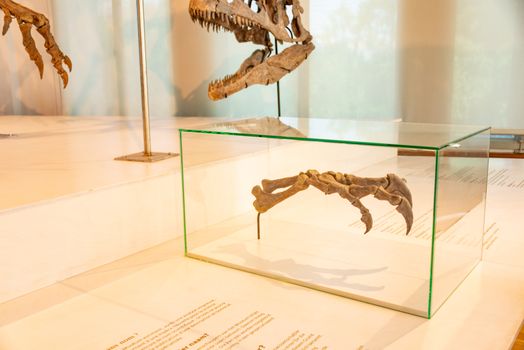
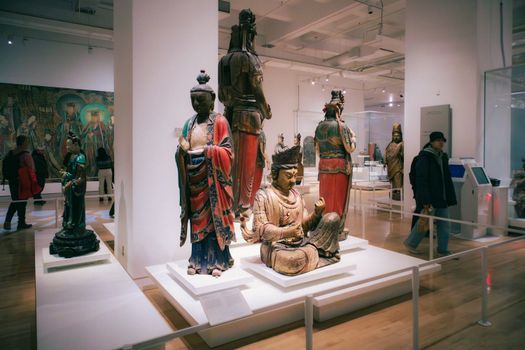
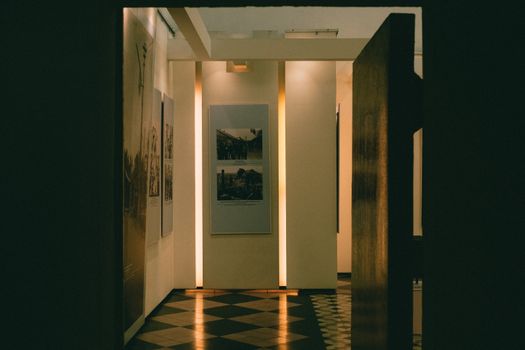
Imagine a superhero who protects old things and discovers new secrets! That is a bit like what a museum scientist does. These clever people work in museums, looking after all sorts of amazing objects, from dinosaur bones and ancient pottery to sparkly minerals and tiny insects. They use science to understand where these objects came from, how old they are, and what they can tell us about the past or the natural world. They might use special cameras to see inside rocks, or tiny brushes to carefully clean very old paintings. They also help to put together exciting exhibitions so everyone can learn and enjoy the museum's treasures. It is a job for people who love to explore, ask questions, and share their discoveries with others.

Museum Scientist

Flag Media

Please select a reason for flagging this content.

📊 Statistics

Average Salary

Museum scientists in the UK can expect to earn around 25,000 to 35,000 pounds per year when they are starting out. With more experience, this can go up to 45,000 pounds or more.

Job Openings

While not as many jobs as some other careers, there are usually hundreds of openings across the UK each year for museum roles, including scientists, curators, and conservators. Many big cities like London, Manchester, and Edinburgh have museums that need scientists.

Working Hours

Most museum scientists work about 37 to 40 hours a week, which is usually Monday to Friday. Sometimes they might work on a weekend for a special event or exhibition, but they usually get that time back another day.

🚀 Careers in this path

Flag Media

Please select a reason for flagging this content.

Museum Curator

Imagine you are the boss of a museum! You get to decide which amazing objects to show, like dinosaur bones or ancient pots. You help people learn about history and science by choosing the best things for them to see.

Flag Media

Please select a reason for flagging this content.

Exhibit Designer

Do you love to build and create? An Exhibit Designer is like a museum artist! They design how all the cool things in a museum look. They make sure the displays are colourful and fun, and tell a great story so everyone enjoys learning.

Flag Media

Please select a reason for flagging this content.

Museum Educator

If you love talking about interesting things and helping others learn, this job is for you! A Museum Educator gives fun tours and workshops to children and families. You might show them how to dig for pretend fossils or make a mini volcano erupt!

Learning and Exploring

Be Curious at School

Pay attention in your science and history lessons. These subjects teach you about the world and the past, which is super important for a museum scientist!

At primary school, subjects like science (learning about animals, plants, and rocks) and history (learning about ancient Egyptians or dinosaurs) are a great start. Ask questions and try to understand how things work or how they used to be. You can also visit your school library to find books about these topics.

Visit Museums

Go to local museums with your family or school. Look at all the cool things they have, like old toys, dinosaur skeletons, or shiny rocks. Try to imagine what life was like when these things were new.

When you visit a museum, don't just look quickly. Take your time! Read the signs, look closely at the exhibits, and think about the stories they tell. You can ask grown-ups questions about the displays or even try to draw some of the objects you see. Many museums have special activities for children.

Read and Discover

Read lots of books about animals, dinosaurs, ancient civilisations, and science. Watch nature documentaries or historical shows to learn more about different topics.

There are so many amazing books at the library or in bookshops about every kind of scientist or historical period. Look for books about archaeologists, palaeontologists (dinosaur scientists!), or natural history. Watching educational programmes on TV or online can also be a fun way to learn new facts and see what real scientists do.

Developing Skills

Be a Super Detective

Practise looking at things very carefully. Can you spot tiny details? This skill is really important for a museum scientist who examines ancient artefacts or tiny insects.

You can play games at home where you have to find differences between two pictures, or look for specific things in a busy scene. When you are outside, try to notice different types of leaves, stones, or bugs. This helps train your eyes to see small but important clues, just like a real scientist.

Ask Lots of Questions

Always wonder 'why?' and 'how?'. Museum scientists are always asking questions to figure out mysteries about the past.

Don't be shy about asking questions when you're curious! Why is the sky blue? How do plants grow? What did people eat long ago? The more you ask and try to find answers, the better you become at thinking like a scientist and exploring new ideas.

Collect and Organise

If you like collecting things, like shells, stamps, or interesting rocks, try to organise them. Think about how you would group them or what makes each one special.

Collecting is a fun way to start thinking like a museum curator! You can learn to identify different types of items, sort them by colour, size, or where you found them. This helps you practise careful handling and organisation, which are important skills for looking after museum collections.

Future Adventures

Choose Interesting Subjects

When you get older and go to secondary school, think about choosing subjects like science (biology, chemistry, physics) and history. These will help you learn even more about the world and the past.

These subjects lay the groundwork for understanding scientific methods and historical contexts, which are crucial for a museum scientist. English is also important for writing reports and sharing discoveries, and maths can help with data analysis. Keeping your options open by doing well in a range of subjects is always a good idea.

Think About University

To become a museum scientist, you would usually go to university after school to study subjects like archaeology, palaeontology, geology, or zoology.

At university, you can specialise in the area of science or history that interests you most. For example, if you love dinosaurs, you might study palaeontology. If you're fascinated by ancient objects, archaeology could be your path. A degree gives you the deep knowledge and skills needed to work in a museum.

Get Experience

As you get older, you could volunteer at a local museum or even help out at a nature reserve. This helps you see what the job is really like and meet people who work there.

Volunteering is a fantastic way to gain practical experience and show your passion for museums and science. You might help with cataloguing items, assisting visitors, or even working on small research projects. It's a great opportunity to learn from experts and make connections in the museum world, which can be very helpful for finding a job later on.

🎬 Useful Videos

🎯 View Apprenticeships

Explore relevant apprenticeships that can help you kickstart your career in Museum Scientist. Apprenticeships offer hands-on experience and training while earning a wage.

Career Progressions

This page showcases various career options and the pathways to reach them. Each career listed here shares transferable skills and knowledge, making it easier for individuals to transition between them.

Your current career is highlighted to help you see how it fits into the broader landscape of potential career choices. By clicking on any career, you can learn more about it, including the training and education required to pursue it.

Remember, progressing in your career often involves further learning and training. This page provides insights into future career options as well as those that can lead up to your current one.

These career progression decisions are informed by comparing the skills and knowledge needed for different occupations, along with data on how people move between them. Explore the possibilities and discover the exciting journey ahead in your career!

Sample Qualifications

A Museum Scientist typically undertakes research, manages collections, and interprets findings, which aligns closely with the duties of a Museum Curator, who is responsible for the care, acquisition, and exhibition of museum collections.

How to become

You can get into this job through:

  • a university course
  • an apprenticeship
  • working towards this role

University

You can start by doing a degree in a subject like:

  • fine art or art history
  • museum or heritage studies
  • archaeology or ancient history
  • classics
  • natural sciences
  • anthropology
  • education

You can also study for a postgraduate qualification in museum and gallery studies, or in a particular style or period of art or history. This may give you an advantage when applying for jobs.

Some universities will require a relevant first degree to apply for a postgraduate course. Others may accept most subjects but expect you to have a lot of work experience to back up your application.

Entry requirements

You'll usually need:

  • 2 to 3 A levels, or equivalent, for a degree
  • a degree in any subject for a postgraduate course

More Information

Apprenticeship

You may be able to apply for a Curator Level 7 Apprenticeship with a cultural or heritage organisation.

This can take around 3 years to complete and combines on-the-job training with off-site learning.

Entry requirements

Employers will set their own entry requirements.

More Information

Work

You may be able to work as a collections assistant, education officer or conservator, before becoming a museum or gallery curator through training and promotion.

Volunteering

Paid or unpaid work experience in a museum, gallery or heritage property is usually essential to apply for courses and jobs.

More Information

Career tips

Digital skills are becoming increasingly important in this career, for example for cataloguing and archival purposes, and producing online and interactive content for wider public engagement. Any skills you can develop through work or volunteering will be helpful.

Professional and industry bodies

You can join the Museums Association for professional development and to make industry contacts.

Further information

You can learn more about how to become a museum or gallery curator from the Museums Association.

Interested in More Career Paths?

Explore other careers or use our AI to discover personalised paths based on your interests.

Stay connected

Join our newsletter to stay up to date on features and releases

Address
Developing Experts Limited
Exchange Street Buildings
35-37 Exchange Street
Norwich
NR2 1DP
UK

Phone
01603 273515

Email
[email protected]

Copyright 2026 Developing Experts, All rights reserved.
