
Creating Career Path...

Finding Further Careers...

Museum Scientist

View this career for different education levels:

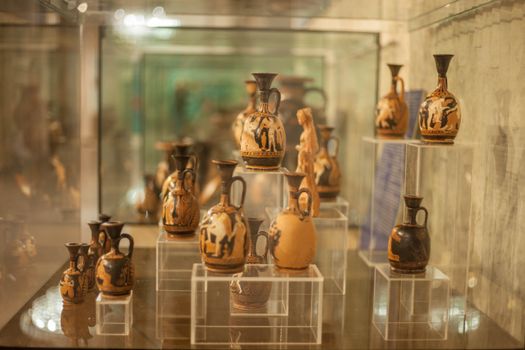
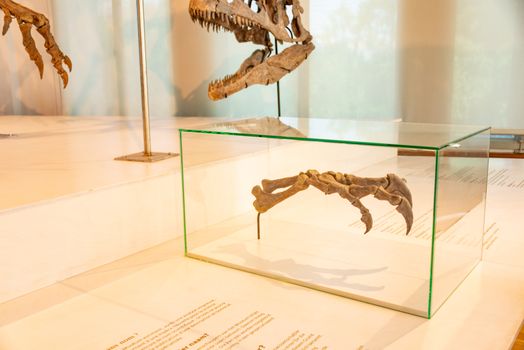
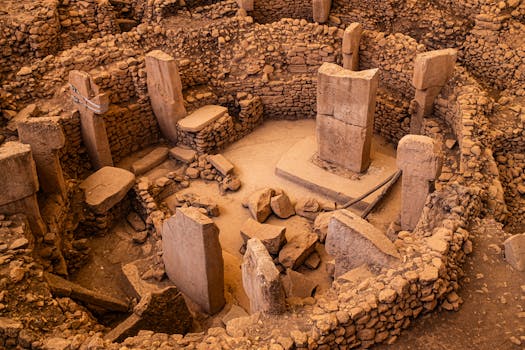
A Museum Scientist in the UK is a fascinating and often highly specialised role, involving the scientific study, conservation, and interpretation of museum collections. This can encompass a vast array of disciplines, from natural sciences like zoology, botany, palaeontology, and geology, to archaeology, anthropology, and even the conservation science of cultural artefacts. Your primary responsibilities would typically involve conducting original research on specimens or objects within the museum's care, publishing findings in academic journals, and contributing to the global understanding of various scientific fields. Beyond research, a Museum Scientist often plays a crucial role in collection management. This includes identifying, cataloguing, and ensuring the proper storage and preservation of specimens, sometimes using advanced scientific techniques to analyse materials or assess environmental conditions. You would also be involved in educating the public, helping to develop exhibitions, writing interpretive texts, and engaging with visitors or school groups. Many roles require strong laboratory skills, fieldwork experience, and proficiency in data analysis, making it a demanding yet incredibly rewarding career for those passionate about both science and heritage.

Museum Scientist

Flag Media

Please select a reason for flagging this content.

📊 Statistics

Average Salary

Starting salaries for Museum Scientists can range from £25,000 to £30,000, with experienced professionals potentially earning £35,000 to £45,000 or more for senior roles in larger institutions.

Typical Working Hours

Most Museum Scientists work standard office hours, Monday to Friday, typically 9 AM to 5 PM. However, some roles may require occasional evening or weekend work for special events, exhibitions, or fieldwork.

Job Outlook UK

The job market for Museum Scientists in the UK is competitive, with a relatively small number of highly specialised roles. Opportunities often arise in national museums, universities with collections, and specialist research institutions.

🚀 Careers in this path

Flag Media

Please select a reason for flagging this content.

Collections Manager (Natural History)

Oversees the preservation, organisation, and documentation of a museum's natural history collections, which might include fossils, specimens, and archaeological finds. This involves detailed record-keeping, environmental control, and facilitating access for researchers. Strong organisational skills and a background in a relevant scientific discipline are often required.

Flag Media

Please select a reason for flagging this content.

Exhibition Designer (Science Museum)

Focuses on creating engaging and educational displays for science museums. This role blends scientific understanding with design principles to translate complex concepts into accessible and interactive exhibits for the public. It often involves working with curators, educators, and external contractors.

Flag Media

Please select a reason for flagging this content.

Conservation Scientist (Heritage)

Applies scientific principles and analytical techniques to assess and treat museum objects and artefacts, preventing deterioration and ensuring their long-term preservation. This can involve materials analysis, developing new conservation treatments, and advising on environmental conditions within galleries and storage. A scientific degree, often in chemistry or materials science, is beneficial.

Build Your Academic Foundation

Complete a Relevant Undergraduate Degree

Obtain a Bachelor's degree in a scientific field directly related to the type of museum you aspire to work in. This is the cornerstone of your scientific expertise.

For natural history museums, consider degrees in subjects like biology, zoology, botany, palaeontology, geology, or environmental science. For archaeology or history museums, degrees in archaeology, anthropology, history, or classics would be more suitable. For science museums, physics, chemistry, or material science could be beneficial. Aim for a strong academic performance, as further study is often required.

Undertake Postgraduate Study

A Master's or PhD is highly advantageous, often essential, for most museum scientist roles, providing specialised knowledge and research skills.

Pursue a Master's (MSc) or Doctoral (PhD) degree in a specific area such as museology, conservation science, palaeontology, archaeology, or a relevant scientific discipline. This will allow you to specialise, develop advanced research techniques, and contribute original research to your chosen field. Look for programmes that offer practical experience or strong links with museum institutions.

Develop Specialised Research Skills

Actively engage in research projects during your studies to hone your analytical and investigative abilities.

Participate in research projects, either as part of your degree, through summer placements, or by volunteering with university departments or research institutions. Focus on developing skills in data collection, analysis, scientific writing, and presentation. Understanding research methodologies and being able to interpret complex data are crucial for a museum scientist.

Gain Practical Experience

Volunteer or Intern at Museums/Collections

Practical experience within a museum environment is invaluable for understanding daily operations and building connections.

Seek out volunteer or internship opportunities at national, regional, or local museums, university collections, or heritage organisations. Look for roles that involve collections management, conservation, exhibition development, or research assistance. This hands-on experience will provide insight into professional museum practices and demonstrate your commitment to the sector. Even unpaid experience is highly regarded.

Network with Professionals

Connect with museum professionals, academics, and researchers in your field to learn about opportunities and gain insights.

Attend conferences, workshops, and seminars related to your scientific discipline and museology. Join professional bodies such as The Museums Association, the Geological Society, or the Society for the Preservation of Natural History Collections. Networking can open doors to mentorship, collaborative projects, and job opportunities, as many roles are filled through professional connections.

Develop Technical and Digital Skills

Acquire proficiency in relevant software and scientific techniques crucial for collection management and research.

Familiarise yourself with collection databases (e.g., Adlib, MODES), Geographic Information Systems (GIS), imaging software, statistical analysis packages, and relevant laboratory techniques (e.g., microscopy, DNA analysis, dating methods). Many museum roles now require strong digital literacy for managing digital collections, online exhibitions, and scientific data.

Secure Your First Role

Target Entry-Level Museum Positions

Look for entry-level roles such as Assistant Curator, Collections Assistant, or Research Assistant to begin your career journey.

While 'Museum Scientist' might be a senior title, many start in supporting roles that allow them to apply their scientific knowledge to collection care, documentation, or research projects. These roles build essential practical experience and understanding of museum operations. Be prepared to start in a role that may not be exactly your dream job, but provides a stepping stone.

Specialise and Publish Research

Continue to specialise in your chosen area and actively contribute to academic publications and conferences.

As you gain experience, focus on developing a niche expertise within your scientific discipline or museum field. Publishing peer-reviewed articles, presenting at conferences, and contributing to museum exhibitions enhances your professional profile and establishes you as an expert. This is critical for advancing to more senior scientist or curatorial roles.

Pursue Continuous Professional Development

Stay updated with the latest scientific advancements, conservation techniques, and museum practices.

The fields of science and museology are constantly evolving. Engage in ongoing learning through workshops, short courses, online modules, and professional conferences. This could include training in new conservation technologies, advanced analytical techniques, or innovative public engagement strategies. Continuous development ensures you remain competitive and knowledgeable throughout your career.

🎯 View Apprenticeships

Explore relevant apprenticeships that can help you kickstart your career in Museum Scientist. Apprenticeships offer hands-on experience and training while earning a wage.

Career Progressions

This page showcases various career options and the pathways to reach them. Each career listed here shares transferable skills and knowledge, making it easier for individuals to transition between them.

Your current career is highlighted to help you see how it fits into the broader landscape of potential career choices. By clicking on any career, you can learn more about it, including the training and education required to pursue it.

Remember, progressing in your career often involves further learning and training. This page provides insights into future career options as well as those that can lead up to your current one.

These career progression decisions are informed by comparing the skills and knowledge needed for different occupations, along with data on how people move between them. Explore the possibilities and discover the exciting journey ahead in your career!

Sample Qualifications

A Museum Scientist's role typically involves researching, classifying, and caring for museum collections, which aligns closely with the duties and qualifications of a Museum Curator, who manages and interprets exhibits and collections.

How to become

You can get into this job through:

  • a university course
  • an apprenticeship
  • working towards this role

University

You can start by doing a degree in a subject like:

  • fine art or art history
  • museum or heritage studies
  • archaeology or ancient history
  • classics
  • natural sciences
  • anthropology
  • education

You can also study for a postgraduate qualification in museum and gallery studies, or in a particular style or period of art or history. This may give you an advantage when applying for jobs.

Some universities will require a relevant first degree to apply for a postgraduate course. Others may accept most subjects but expect you to have a lot of work experience to back up your application.

Entry requirements

You'll usually need:

  • 2 to 3 A levels, or equivalent, for a degree
  • a degree in any subject for a postgraduate course

More Information

Apprenticeship

You may be able to apply for a Curator Level 7 Apprenticeship with a cultural or heritage organisation.

This can take around 3 years to complete and combines on-the-job training with off-site learning.

Entry requirements

Employers will set their own entry requirements.

More Information

Work

You may be able to work as a collections assistant, education officer or conservator, before becoming a museum or gallery curator through training and promotion.

Volunteering

Paid or unpaid work experience in a museum, gallery or heritage property is usually essential to apply for courses and jobs.

More Information

Career tips

Digital skills are becoming increasingly important in this career, for example for cataloguing and archival purposes, and producing online and interactive content for wider public engagement. Any skills you can develop through work or volunteering will be helpful.

Professional and industry bodies

You can join the Museums Association for professional development and to make industry contacts.

Further information

You can learn more about how to become a museum or gallery curator from the Museums Association.

Interested in More Career Paths?

Explore other careers or use our AI to discover personalised paths based on your interests.

Stay connected

Join our newsletter to stay up to date on features and releases

Address
Developing Experts Limited
Exchange Street Buildings
35-37 Exchange Street
Norwich
NR2 1DP
UK

Phone
01603 273515

Email
[email protected]

Copyright 2026 Developing Experts, All rights reserved.
